 0
0
 0
0
Walking backwards, a practice known as retro walking, is gaining popularity as a unique fitness trend that offers surprising benefits beyond traditional forward walking. Recent studies reveal that this simple change in movement activates different muscles, improves balance, and enhances brain functions such as memory, decision-making, and problem-solving. From older adults to athletes, retro walking is showing promise as a safe, low-impact exercise that supports physical and cognitive health.
Backwards Walking: More Than Just a Novelty
While walking is the most common form of physical activity worldwide, reversing the direction engages the body and brain in distinct ways. Retro walking activates muscle groups differently, especially the quadriceps and hip muscles, as toes strike the ground first instead of heels. This altered gait strengthens lower body muscles more effectively than forward walking and reduces joint stress, making it easier on knees and hips.
A 2016 study demonstrated that walking backwards improved gait velocity, step length, and balance better than forward walking in healthy adults, emphasizing its rehabilitative potential. Physical therapists often incorporate backward walking into recovery programs for injuries and conditions like knee osteoarthritis and ACL strains.
Cognitive Gains Linked to Retro Walking
Scientific evidence suggests that retro walking uniquely stimulates the brain’s prefrontal cortex, the area responsible for executive functions such as decision-making, memory, and problem-solving. Research has found increased neural activity in this brain region when people walk backwards compared to forward walking.
Remarkably, even imagining walking backward while seated improved participants’ memory test scores in a controlled study, highlighting the cognitive challenge retro walking presents. A recent controlled trial at Dayananda Sagar University involving healthy older adults aged 65-75 found that six weeks of supervised retro walking sessions significantly improved cognitive screening scores using the Montreal Cognitive Assessment (MoCA), which assesses memory, attention, language, and executive function.
Benefits for Balance, Stability, and Joint Health
Maintaining balance and preventing falls is crucial, especially for older adults. Retro walking forces the brain and body to rely less on vision and more on proprioception (the awareness of body position), improving overall stability. Studies have shown improved lateral and anterior-posterior balance control after backward walking regimens, which can reduce fall risk.
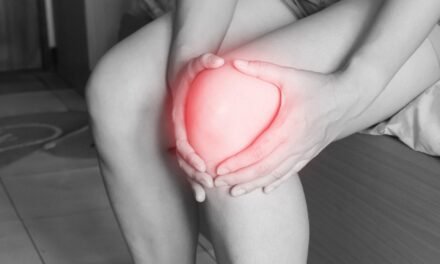
Additionally, retro walking reduces the impact stress on knee joints compared to forward walking—making it beneficial for those with joint pain or arthritis. The toe-first contact during backward steps helps distribute weight more evenly and minimizes strain.
Calories Burned and Muscular Strength Gains
Retro walking can burn approximately 40% more calories per minute than brisk forward walking due to the increased muscular effort required to move in reverse and maintain balance. This makes it a valuable low-impact cardiovascular workout.
For athletes or fitness enthusiasts seeking to target different muscle groups, retro walking or running helps strengthen hamstrings, glutes, and back muscles that forward walking does not engage as much. Athletes use backward walking drills to enhance agility and reduce injury risk in sports requiring multi-directional movement.youtube.
Practical Tips and Safety Considerations
For beginners, it is important to start retro walking in a safe, controlled environment to avoid falls or collisions. Walking backward on a treadmill or a clear hallway under supervision is recommended. Duration can start at 10-15 minutes a day, gradually increasing intensity and session length as confidence and skill improve.
People with balance disorders, severe joint pain, or mobility limitations should consult healthcare professionals before attempting retro walking programs. Awareness and caution are key to safely incorporating this exercise into daily routines.
Limitations and Balanced Perspectives
While many studies highlight benefits, sample sizes are often small, and longer-term effects require further investigation. Cognitive improvements, though promising, need corroboration through larger randomized controlled trials. Some experts caution that the novelty of walking backward may influence initial enthusiasm, and consistent practice is essential to sustain benefits.
Furthermore, retro walking is not a substitute for comprehensive rehabilitation or cognitive therapies but can be a complementary activity.
Conclusion: A Simple Step for Brain and Body Health
Walking backward offers a unique combination of physical and cognitive benefits, from enhanced muscle strength and joint health to improved memory and decision-making. Its accessibility and low cost make it an appealing addition to personal fitness or rehabilitation regimens. As research continues, retro walking stands out as an innovative, evidence-backed way to boost overall health.
Medical Disclaimer: This article is for informational purposes only and should not be considered medical advice. Always consult with qualified healthcare professionals before making any health-related decisions or changes to your treatment plan. The information presented here is based on current research and expert opinions, which may evolve as new evidence emerges.
References