 0
0
 0
0
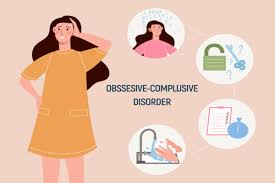
SYDNEY — For decades, the prevailing medical consensus on compulsive behaviors—ranging from the repetitive handwashing seen in OCD to the “one more spin” cycle of gambling disorders—has been built on the “habit loop.” The theory suggested that the brain’s “autopilot” system simply becomes so powerful that it overrides a person’s conscious self-control.
However, a groundbreaking study from the University of Technology Sydney (UTS) is turning this long-held assumption on its head. New research suggests that compulsive behaviors may not be a failure of willpower or a lapse into mindless habit. Instead, they may stem from an overactive, misguided form of deliberate control.
Published in the journal Neuropsychopharmacology, the findings suggest that neuroinflammation in a specific region of the brain may actually prevent the brain from switching into “autopilot,” forcing individuals to remain in a state of hyper-aware, effortful, and ultimately compulsive decision-making.
The Autopilot vs. The Pilot
To understand the significance of this shift, one must understand how the brain typically balances its workload. Behavioral neuroscientists generally categorize actions into two buckets:
-
Habitual Actions: These are “autopilot” behaviors. When you brush your teeth or drive a familiar route to work, your brain uses minimal energy to execute the task, freeing up your mind to plan your day.
-
Goal-Directed Actions: These are conscious and effortful. If a child suddenly steps into the road while you are driving, your brain instantly terminates the habit loop. You become acutely aware of your surroundings, calculate the outcomes of your actions, and steer or brake accordingly.
“Habits are ordinarily useful,” explains Dr. Laura Bradfield, a senior author of the study and a behavioral neuroscientist at UTS. “However, the scientific view has been that with compulsive behaviors, these actions have become so entrenched as habits that it is difficult for people to break free and take back cognitive control.”
The UTS team decided to test this “habit hypothesis” by looking at the striatum, a subcortical part of the brain responsible for coordinating movement and decision-making.
A Surprising Discovery in the Striatum
The researchers focused on a common denominator in many compulsive disorders: neuroinflammation. Brain imaging in humans has frequently shown inflammation in the striatum of patients with Obsessive-Compulsive Disorder (OCD) and substance use disorders.
The study, led by Dr. Arvie Abiero as part of his doctoral research, involved inducing inflammation in the striatum of rats to see if it would accelerate the formation of habits. The results were the exact opposite of what the team expected.
Instead of becoming “creatures of habit,” the rats with neuroinflammation became excessively goal-directed. They continued to adjust their behavior based on specific outcomes and remained in a state of effortful decision-making even in scenarios where a healthy brain would have switched to a more efficient habit.
“Surprisingly, the animals… continued to adjust their behavior based on outcomes, even in situations where habits would normally take over,” says Dr. Bradfield.
This suggests that compulsion might not be “mindless” at all. For a person with OCD, the act of washing their hands thirty times isn’t necessarily a habit they are doing without thinking; it may be a conscious, albeit misguided, attempt to exert control over a perceived outcome (such as avoiding illness).
The Role of Astrocytes
The study pinpointed a specific biological mechanism for this shift: astrocytes. These star-shaped cells in the brain are responsible for maintaining the environment around neurons. When neuroinflammation occurs, astrocyte function is disrupted.
When these “cleanup and support” cells fail to function correctly in the dorsomedial striatum, the brain appears to lose its ability to transition into a habitual state. The result is a brain that is “stuck” in a high-gear, goal-directed mode, leading to the repetitive, exhausted cycle of compulsive behavior.
Why This Matters for Patients
This paradigm shift has profound implications for how we treat mental health conditions. If compulsive behavior is driven by an over-taxed conscious mind rather than a mindless habit, current therapeutic approaches may need a refresh.
1. New Avenues for Medication
Current treatments for OCD and addiction often focus on serotonin or dopamine pathways. This research opens the door for anti-inflammatory treatments. Drugs that specifically target astrocyte function or reduce neuroinflammation in the striatum could potentially help the brain “relax” back into healthy habit loops.
2. Validating the Patient Experience
For many living with compulsive disorders, the “habit” explanation has always felt incomplete.
“There’s a lot of compulsive behavior that doesn’t fit neatly into the habit hypothesis,” Dr. Bradfield notes. “If someone is continually washing their hands because they are worried about germs, they are not doing this without thinking; they are consciously choosing to make that effort.”
Recognizing these actions as “misguided self-control” rather than “loss of control” may change the way cognitive behavioral therapy (CBT) is structured, focusing on lowering the perceived necessity of the goal rather than just breaking a habit.
3. Lifestyle Interventions
The study also reinforces the importance of systemic health. Broad anti-inflammatory measures—such as improved sleep hygiene, regular exercise, and anti-inflammatory diets—may play a more direct role in managing compulsive urges than previously thought.
Limitations and Future Outlook
While the study provides a compelling new framework, experts urge caution. The research was conducted in a rodent model, and while the striatum functions similarly across mammals, human compulsions are layered with complex emotions and social factors that rats do not experience.
Furthermore, neuroinflammation is a broad term. Determining exactly which types of inflammation lead to compulsion—and which might lead to other symptoms like lethargy or depression—will require further clinical trials in humans.
“Our findings offer a new explanation for these behaviors, which goes against the accepted view,” says Dr. Bradfield. “Based on this, it’s possible that new treatments and interventions can be developed that more effectively treat these diseases and disorders.”
Medical Disclaimer
This article is for informational purposes only and should not be considered medical advice. Always consult with qualified healthcare professionals before making any health-related decisions or changes to your treatment plan. The information presented here is based on current research and expert opinions, which may evolve as new evidence emerges.
References
Primary Study:
-
Journal: Neuropsychopharmacology (2025).
-
Title: “Dorsomedial striatal neuroinflammation causes excessive goal-directed action control by disrupting astrocyte function.”
-
Authors: Arvie Rodriguez Abiero, et al.