 0
0
 0
0
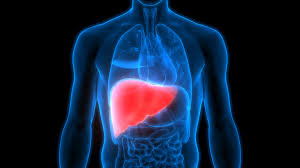
A recent study published on September 24, 2025, reveals promising research that may improve liver transplantation outcomes by preventing a common and serious complication—the ischemia-reperfusion injury that often leads to graft dysfunction or failure. Researchers identified a protective mechanism involving the protein CEACAM1 and another called Human Antigen R (HuR) that could be enhanced to reduce injury and improve transplant success, with findings based on mouse models and confirmed in human liver tissue samples. The discovery could bring significant advancement to liver transplantation, an essential but complex treatment for end-stage liver diseases.
Key Findings on Liver Transplant Complication Prevention
Liver transplantation is often the last resort for patients with severe liver diseases such as cirrhosis, hepatitis, and liver cancers. However, one major challenge remains the ischemia-reperfusion injury (IRI) that occurs when blood supply is interrupted during the organ’s removal from the donor and then suddenly restored upon transplantation into the recipient. This sudden blood influx causes inflammation and cellular damage, negatively impacting graft survival and function.
In previous research, the protein CEACAM1 was found to help protect the liver during this critical phase. The new study published in JCI Insights expands on this by showing that CEACAM1 works alongside HuR as protective molecular “switches” that attenuate the damaging cascade caused by IRI. The research also demonstrated that boosting the activity of these proteins in mice enhanced their protective effect, lowering the stress and injury inflicted on transplanted livers.
Furthermore, researchers confirmed the same protective relationship in discarded human livers unsuitable for transplant, suggesting translational potential for clinical application. Kenneth Dery, MD, the study’s lead and a transplant scientist at UCLA’s David Geffen School of Medicine, emphasized that with the persistent shortage of donor livers in the United States leading to high mortality among transplant candidates, these findings could help improve graft longevity and patient survival.
Background: The Challenge of Ischemia-Reperfusion Injury
Ischemia-reperfusion injury is a well-known problem in liver transplantation. When the donor liver is deprived of blood supply, cells undergo stress due to lack of oxygen and nutrients. The damage is compounded when blood flow is restored, triggering an inflammatory response involving immune activation and oxidative injury. This process can cause immediate graft dysfunction, contribute to acute rejection, or lead to chronic complications that reduce long-term transplant success.
These issues make liver transplantation risky despite being life-saving. The surgery is technically demanding, and recipients face possible early complications like graft nonfunction, hepatic artery thrombosis, and infections, as well as longer-term risks related to immunosuppression and disease recurrence. Current efforts to improve transplant outcomes include optimizing graft preservation, immunosuppressive regimens, and patient selection, but ischemia-reperfusion injury remains a challenging obstacle.
Expert Perspectives on the New Findings
Dr. Lisa Matthews, a hepatologist not involved in the study, commented, “This research sheds light on a critical biological pathway we can potentially target to protect the liver during the vulnerable transplantation phase. If we can modulate these protective proteins pharmacologically or via gene therapy, it could transform post-transplant recovery and reduce graft failure rates.” She adds that while mouse studies are promising, human clinical trials will be essential to confirm safety and efficacy.
Another expert, Dr. Ravi Singh, transplant surgeon, explains, “Ischemia-reperfusion injury has been a puzzle for decades. This discovery identifies key molecular players that could be leveraged to develop new therapies, which is exciting because current treatments for preventing graft injury are limited.” He cautions that implementing such advances will require careful assessment of potential unintended effects on immune function and infection risk.
Public Health Implications and Future Directions
Liver transplantation is a critical intervention for patients with conditions like metabolic dysfunction-associated steatohepatitis, hepatitis B and C, alcoholic liver disease, and autoimmune liver diseases. Despite improvements, organ shortages leave many waiting with high mortality risk. Enhancing graft survival through protective mechanisms against ischemia-reperfusion injury can help maximize the utility of each available liver.
If validated in humans, therapies aimed at increasing CEACAM1 and HuR activity could not only improve immediate graft function but also reduce complications and the need for retransplantation, thereby alleviating strain on healthcare systems and enhancing patient quality of life.
On a practical level, the study underscores the importance of ongoing transplant research and innovation and highlights the need for multi-disciplinary collaboration to translate molecular findings into clinical practice.
Limitations and Balanced View
While the study’s findings are promising, they come primarily from animal models and discarded human liver tissues. Translational hurdles remain before clinical application. It is unclear how best to safely enhance these proteins in living patients or whether long-term outcomes would definitively improve. Potential risks, such as altering immune responses or unintended side effects, require careful investigation.
Thus, while encouraging, these results should be viewed as a foundational step in a longer research pathway rather than an immediate clinical solution.
Medical Disclaimer
Medical Disclaimer: This article is for informational purposes only and should not be considered medical advice. Always consult with qualified healthcare professionals before making any health-related decisions or changes to your treatment plan. The information presented here is based on current research and expert opinions, which may evolve as new evidence emerges.
References