 0
0
 0
0
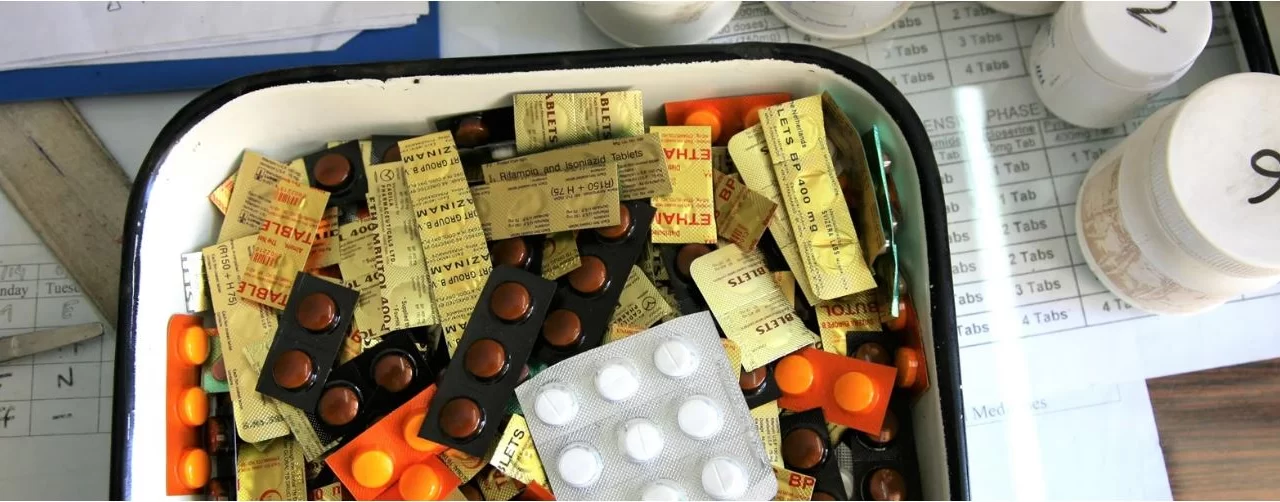
A groundbreaking study led by McGill University has revealed that approximately 8,500 tonnes of antibiotics-nearly a third of all antibiotics consumed by humans annually-are making their way into the world’s rivers each year. This widespread contamination is raising significant concerns about the health of aquatic ecosystems and the acceleration of antibiotic-resistant bacteria.
Key Findings from the Study
Published in the journal PNAS Nexus, the research is the first to provide a global estimate of river contamination stemming from human antibiotic use. The team, led by postdoctoral fellow Heloisa Ehalt Macedo, utilized a global model validated with data from nearly 900 river locations. Their analysis showed that, while individual antibiotic concentrations in most rivers are low and difficult to detect, the chronic and cumulative exposure poses a real threat to both human health and aquatic life.
One of the most alarming findings is the prevalence of amoxicillin, the world’s most-used antibiotic, which is especially present at risky levels in regions such as Southeast Asia. This is attributed to increasing antibiotic use and limited wastewater treatment infrastructure in these areas.
Environmental and Health Implications
“While the amounts of residues from individual antibiotics translate into only very small concentrations in most rivers, which makes them very difficult to detect, the chronic and cumulative environmental exposure to these substances can still pose a risk to human health and aquatic ecosystems,” explained Macedo.
The study underscores the risk of promoting drug-resistant bacteria-one of the gravest public health threats of the 21st century. It also highlights the potential for harm to aquatic life, as even low concentrations of antibiotics can disrupt natural microbial communities and the health of river ecosystems.
A Call for Global Monitoring and Mitigation
Importantly, the study focused solely on antibiotics from human consumption, not accounting for additional contributions from livestock or pharmaceutical manufacturing-both known to be significant sources of environmental contamination. “Our results show that antibiotic pollution in rivers arising from human consumption alone is a critical issue, which would likely be exacerbated by veterinarian or industry sources of related compounds,” said co-author Jim Nicell, professor of environmental engineering at McGill.
The researchers are calling for enhanced global monitoring and the implementation of mitigation strategies, particularly in high-risk regions. “This study is not intended to warn about the use of antibiotics-we need antibiotics for global health treatments-but our results indicate that there may be unintended effects on aquatic environments and antibiotic resistance, which calls for mitigation and management strategies to avoid or reduce their implications,” added Professor Bernhard Lehner, another co-author.
About the Study
The research, titled Antibiotics in the global river system arising from human consumption, was supported by the Natural Sciences and Engineering Research Council of Canada, a James McGill Professorship, and a Fessenden Professorship in Science and Innovation award from McGill University.
Disclaimer:
This article is based on information from a published study and the original report available at News-Medical.net. The findings and opinions expressed are those of the study authors and do not constitute medical or environmental advice. For more details or context, readers are encouraged to consult the original publication.