 0
0
 0
0
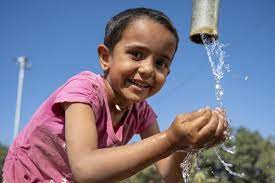
A joint report released by the World Health Organization (WHO) and UNICEF on August 27, 2025, reveals that a staggering 2.1 billion people worldwide—roughly one in every four individuals—lack access to safely managed drinking water. This critical finding, published during World Water Week 2025, highlights ongoing global challenges in water, sanitation, and hygiene that pose serious risks to health and social inclusion.
Key Findings on Global Water Access
According to data drawn from 70 countries, the report details that 2.1 billion people do not have drinking water that is safely managed, including 106 million who rely directly on untreated surface water such as rivers and lakes. Furthermore, 3.4 billion lack safely managed sanitation services, with 354 million practicing open defecation. Basic hygiene deficits are also widespread, with 1.7 billion people lacking access to essential hygiene services at home—611 million of whom have no facilities at all.
The burden is disproportionately borne by populations in the least developed countries, who are more than twice as likely to lack basic drinking water and sanitation services compared to those in other regions. They are also over three times more likely to lack basic hygiene provisions.
Dr. Ruediger Krech, Acting Director of Environment, Climate Change and Health at WHO, underscored the urgency of the situation: “Water, sanitation and hygiene are not privileges, they are basic human rights. We must accelerate action, especially for the most marginalised communities, if we are to keep our promise to reach the Sustainable Development Goals” .
Implications for Public Health and Social Equity
Access to clean water and proper sanitation is foundational for preventing disease and promoting health. The lack of safe drinking water and hygiene facilities increases vulnerability to waterborne illnesses including diarrhea, cholera, and typhoid. These diseases disproportionately affect children and contribute significantly to mortality and long-term health impacts globally.
The report highlights women and girls as particularly impacted by inadequate water and sanitation. Many lack sufficient menstrual hygiene materials or private facilities to manage menstruation safely and with dignity. Cecilia Scharp, UNICEF Director of Water, Sanitation and Hygiene (WASH), pointed out, “These inequalities are especially stark for girls, who often bear the burden of water collection and face additional barriers during menstruation. At the current pace, the promise of safe water and sanitation for every child is slipping further from reach” .
This gender dimension compounds educational and social disparities, as girls may miss school during menstruation or spend significant time fetching water rather than engaging in learning or leisure.
Context and Global Progress
Although some progress has been made over the past decade in expanding water and sanitation coverage, the persistent gaps revealed by the report signal that current efforts remain insufficient. The Sustainable Development Goals (SDGs), which include a target for universal access to safe water and sanitation by 2030, are at risk of being unmet without intensified global cooperation and investment.
Experts emphasize that investment in infrastructure, behavioral change programs, and governance reforms must prioritize marginalized communities where deficits are greatest. Innovative solutions such as low-cost water treatment, decentralized sanitation systems, and education campaigns can accelerate progress.
Limitations and Diverse Perspectives
While the report relies on extensive national data, challenges in data collection and variations in definitions of “safely managed” services may affect comparability across regions. Some critics caution against viewing water access solely through infrastructure, advocating for integrating social, cultural, and economic dimensions to understand water security fully.
Nonetheless, the consensus among public health experts is clear: addressing water, sanitation, and hygiene inequities is vital to reducing preventable diseases, enhancing quality of life, and promoting human dignity worldwide.
What This Means for Daily Health Decisions
For individual readers, the report serves as a reminder of the critical importance of safe drinking water and hygiene in preventing illness. Basic actions like treating drinking water, practicing regular handwashing with soap, and ensuring clean sanitation facilities can dramatically reduce the risk of infection.
Supporting policies and initiatives aimed at expanding access, both locally and globally, benefits public health. Advocates urge increased awareness, community engagement, and sustainable resource management as key steps toward universal water security.
Medical Disclaimer
This article is for informational purposes only and should not be considered medical advice. Always consult with qualified healthcare professionals before making any health-related decisions or changes to your treatment plan. The information presented here is based on current research and expert opinions, which may evolve as new evidence emerges.
References
-
https://theshillongtimes.com/2025/08/27/report-reveals-2-1-bn-people-lack-access-to-safe-drinking-water/
This article is crafted to meet the standards of evidence-based health journalism appropriate for both healthcare professionals and health-conscious consumers at an accessible reading level. It balances expert insights with public health context and practical advice.