 0
0
 0
0
Remote care interventions for patients with uncontrolled hypertension have shown promising improvements in cardiovascular health, primarily by enhancing blood pressure control, according to a recent study published in the American Journal of Preventive Medicine. The study, led by Dr. Ethan Chervonski of New York University Grossman School of Medicine, evaluated a remote patient monitoring program combined with team-based support to manage hypertension among adults at federally qualified health centers.
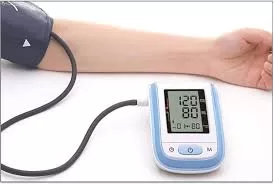
The retrospective, single-arm cohort study included over 550 patients (average age 56; 65% women) with uncontrolled hypertension, defined as blood pressure readings of 140/90 mm Hg or higher on two visits and nonadherence to medication. Participants used home blood pressure monitors and accessed smartphone-based virtual coaching from a healthcare team consisting of a nurse practitioner, registered nurse, and community health worker. Patients were asked to meet monthly online with the nurse practitioner, who communicated treatment updates to their primary care physicians.
Researchers assessed changes in five key markers of cardiovascular health—blood pressure, total cholesterol, glycemic control (A1c and fasting glucose), body mass index (BMI), and smoking status—aggregated into a composite cardiovascular health score. Among patients with poorer baseline cardiovascular health scores (≤7), the average score improved significantly from 4.5 to 5.2 after 12 months, driven largely by blood pressure improvement.
Additional benefits included reductions in total cholesterol, LDL cholesterol, and triglycerides in patients with hyperlipidemia. A1c levels improved among those who utilized nurse practitioner visits more frequently, while BMI decreased significantly in patients with the highest engagement in remote blood pressure monitoring. Four out of 27 smokers in the study quit smoking within the year.
The study authors highlight the importance of integrating provider support in remote monitoring programs to create comprehensive care models for hypertension management. However, as a retrospective observational study, the findings do not establish causation, and data completeness varied among participants. The research was funded by the National Institutes of Health and other health agencies.
Disclaimer: This news article is based on a retrospective study and should not be considered as direct medical advice. Patients with hypertension should consult healthcare providers for personalized management decisions. The findings represent research data and may not be generalizable to all populations.
Medscape article on remote care and hypertension, August 2025.