 0
0
 0
0
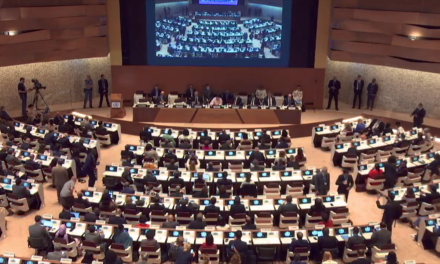
India faces a growing healthcare challenge that threatens to undermine decades of medical progress — the critical gap in rehabilitation services. Despite advances in acute care for stroke, trauma, and critical illnesses, millions of patients are left without structured support for recovery after hospital discharge. This oversight results in delayed healing, increased disability, and avoidable healthcare costs. At a recent Indraprastha Association of Rehabilitation Medicine (IAPMR) convention held in September 2025 in Delhi, experts emphasized that rehabilitation is not a luxury but an essential bridge between survival and return to functional life.
The Recovery Gap: Key Findings
India currently has just 1,251 stroke rehabilitation centers for its population of approximately 1.46 billion people. This equates to one center per roughly 11.7 lakh individuals, far below the global standard of one recovery bed per acute hospital bed. Experts at the IAPMR Mid-Term CME 2025 highlighted that without adequate rehabilitation infrastructure, many patients, particularly stroke survivors, leave hospitals without access to early and structured rehabilitation.
Dr. Rahul Gupta, Senior Director and Head of Neurosurgery at Fortis Hospital Noida, explains, “The greatest tragedy is ignorance. Families often do not know that rehabilitation is a structured medical specialty that can transform recovery after stroke, spine surgery, or trauma. Even within the medical community, Physical Medicine and Rehabilitation (PMR) is frequently overlooked.” This lack of awareness contributes to thousands of Indians remaining disabled despite having a realistic prospect of regaining function and independence through rehabilitation care.
Structural and Financial Barriers
The shortage of rehabilitation centers is compounded by financial barriers. Insurance schemes and corporate coverage for rehabilitation services remain grossly inadequate, forcing families to bear long-term recovery costs themselves. Access gaps are especially stark outside government institutions, where collaboration between physiatrists and private hospitals is limited.
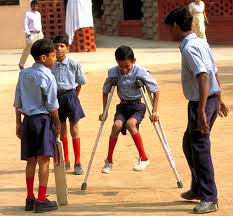
Experts emphasize that rehabilitation must be mainstreamed into healthcare, not treated as an optional add-on. Dr. P.C. Muralidharan, President of IAPMR and Professor at Government Medical College Kozhikode, states, “Rehabilitation is a right and a necessity across the lifespan—from managing childhood disabilities, supporting the elderly, rebuilding lives after trauma to ICU survivor care. Without it, medicine is incomplete”
The Golden Window of Recovery
Timing is critical in rehabilitation outcomes. Within the first 90 days post-stroke or major surgery lies a “golden window” where strength, mobility, speech, and memory can improve most significantly. Dr. Gaurav Thukral, Co-Founder and President of HCAH India, underscores this point: “Recovery is measurable, practical, and life-changing when initiated early with protocol-driven care.”
Innovations like robotic gait labs, AI-powered therapy dashboards, and protocol-based interventions are transforming rehabilitation outcomes in select centers, yet such approaches are not widespread. This leaves many patients outside the reach of evidence-based recovery interventions that have proven benefits globally.
Education and Policy Challenges
Alarmingly, rehabilitation medicine was recently removed from the undergraduate medical curriculum by the National Medical Commission (NMC) in India. Dr. Tariq Matin, Director and Chief of Neurointerventional Surgery at Artemis Hospital Gurugram, warns that this decision risks producing generations of doctors unfamiliar with prescribing or prioritizing recovery.
There is a pressing need for national protocols mandating early rehabilitation assessment and referral for conditions like stroke, trauma, and critical illness. Without structured guidelines, patients miss timely interventions in the rehabilitation’s golden window, diminishing their chances for optimal recovery.
Growing Market but Persistent Gaps
The rehabilitation sector in India is expanding, valued at around USD 5 billion in 2023 with a projected growth rate of 9% annually. Physical rehabilitation services, including physiotherapy, occupational therapy, and cognitive therapy, are among the fastest growing healthcare segments. However, despite this growth, the supply-demand mismatch persists due to inadequate infrastructure, lack of trained personnel, and low public awareness.
Implications for Public Health
Effective rehabilitation improves functional outcomes, reduces disability, prevents hospital readmissions, and enhances quality of life. Addressing rehabilitation as an integral part of healthcare will be critical to managing India’s rising burden of non-communicable diseases, trauma, and critical illness survivorship.
For patients and families, understanding that recovery continues after discharge and seeking early rehabilitation services can improve long-term well-being. Public health strategies must focus on awareness campaigns, insurance coverage reforms, capacity building of rehabilitation professionals, and infrastructure investment to close this crucial gap.
Counterarguments and Limitations
Some experts caution that healthcare resources in India remain stretched, and prioritizing acute care remains essential to reduce mortality. Rehabilitation scaling requires significant financial and human resource investments, which may take time to materialize universally.
Nonetheless, ignoring rehabilitation perpetuates avoidable disability and healthcare burden. Integrating rehabilitation into existing health frameworks with governmental and private partnerships offers a practical approach.
Conclusion
Rehabilitation stands as India’s missing link in healthcare—connecting survival in hospital to meaningful recovery beyond medical treatment. Early intervention, increased awareness among patients and providers, robust infrastructure, supportive policies, and insurance coverage reforms are urgently needed to transform rehabilitation from an afterthought into a healthcare priority that enables millions to reclaim their lives.
Medical Disclaimer
This article is for informational purposes only and should not be considered medical advice. Always consult with qualified healthcare professionals before making any health-related decisions or changes to your treatment plan. The information presented here is based on current research and expert opinions, which may evolve as new evidence emerges.
References