 0
0
 0
0
Cleveland Clinic researchers have identified a significant link between higher blood levels of trimethylamine N-oxide (TMAO)—a gut bacteria byproduct produced from digesting nutrients mainly found in red meat and certain animal products—and an increased risk of abdominal aortic aneurysms (AAA), a serious and potentially fatal vascular condition. Their findings, published on August 20, 2025, in JAMA Cardiology, suggest TMAO’s role in both the development and progression of AAAs, with implications for future prevention and treatment beyond current surgical approaches.
Understanding Abdominal Aortic Aneurysm and TMAO
An abdominal aortic aneurysm is a dangerous dilation or bulging of the abdominal portion of the aorta, the body’s largest artery. While the aorta normally withstands the pressure of blood pumped from the heart, factors such as aging, smoking, and other medical conditions can weaken the arterial walls, causing the enlarged segment. AAAs are often silent until rupture, which can be fatal. Treatment typically involves monitoring and, once the aneurysm reaches a dangerous size, surgical repair either through open surgery or minimally invasive endovascular procedures.
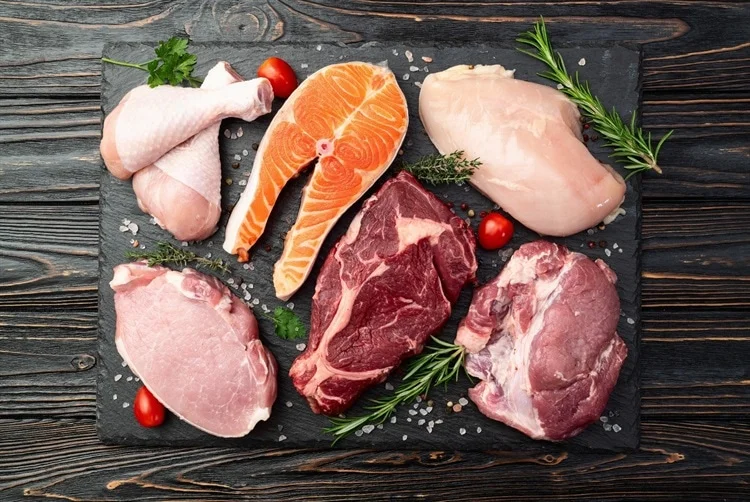
TMAO is a compound produced in the liver after gut microbes metabolize dietary nutrients like choline, phosphatidylcholine, and L-carnitine, which are abundant in red meats, eggs, and other animal products. Elevated TMAO levels have previously been linked to increased risks of cardiovascular disease, stroke, and chronic kidney disease, but their connection to aneurysmal disease was not fully understood until now.
Key Findings from Cleveland Clinic Research
The research team, led by Dr. Scott Cameron, section head of Vascular Medicine, and senior author Dr. Stanley Hazen, chair of Cardiovascular and Metabolic Sciences at Cleveland Clinic, analyzed blood TMAO levels in a large cohort of patients with diagnosed abdominal aortic aneurysms.
-
Elevated TMAO levels correlated strongly with faster aneurysm growth rates—indicating more rapid worsening of the aneurysm.
-
Patients with higher TMAO faced a significantly increased risk of requiring surgical or endovascular intervention.
-
These findings underscore the potential of TMAO not only as a biomarker for aneurysm severity but also as a possible target for future therapeutic interventions.
“Our current treatment options for abdominal aortic aneurysms focus primarily on surgical repair once the aneurysm expands to a critical point. There are no effective drugs to prevent aneurysm growth or rupture,” explained Dr. Cameron. “Our findings suggest targeting TMAO levels could open new avenues for medical therapies that reduce aneurysm progression, possibly preventing the need for surgery.”
Dr. Hazen added, “This research builds on over a decade of work linking the gut microbiome to cardiovascular health. Medications that inhibit TMAO production have already shown promise in preventing aneurysms in animal models, though they are not available for humans yet. Dietary choices that limit TMAO production may also play a role in managing risk.”
Expert Perspectives and Context
Independent experts not involved in the study praised the research as a meaningful step forward. Dr. Linda Freeman, a vascular surgeon at a major academic center, remarked, “The ability to predict aortic aneurysm growth and rupture risk through a blood test could revolutionize monitoring strategies. It would allow more personalized care and earlier intervention.”
However, Dr. Freeman also cautioned, “While the association is strong, we must be mindful that correlation does not equal causation. More clinical trials are needed to understand whether lowering TMAO can effectively impact aneurysm outcomes in humans.”
This study emerges amid growing recognition of the gut microbiome’s influence on cardiovascular disease. The research team at Cleveland Clinic previously established links between TMAO and atherosclerosis, heart attack, and stroke, emphasizing the broad cardiovascular risks associated with high TMAO levels.
Public Health Implications and Practical Advice
This discovery highlights how dietary habits, particularly high consumption of red meat and animal products, might elevate the risk of developing vascular conditions like AAAs. While research is ongoing into pharmacological inhibition of TMAO production, practical steps readers can consider include:
-
Moderating intake of red meats and other animal-derived foods known to boost TMAO levels.
-
Emphasizing plant-based diets rich in fruits, vegetables, and whole grains, which do not contribute to TMAO production.
-
Maintaining general cardiovascular health through smoking cessation, blood pressure control, and cholesterol management—well-established aneurysm risk-reduction measures.
For individuals with known aneurysms, these findings underscore the importance of comprehensive risk management that may, in the future, include TMAO level monitoring.
Limitations
Current limitations of the research include that the association between TMAO and aneurysm risk does not yet prove that lowering TMAO will reduce aneurysm growth or rupture risk. The medications targeting TMAO are still in preclinical stages, and larger-scale interventional studies in humans are necessary. Moreover, TMAO levels can be influenced by multiple factors including genetics, kidney function, and overall gut microbiome diversity, which complicates the interpretation for individual patients.
Medical Disclaimer
This article is for informational purposes only and should not be considered medical advice. Always consult with qualified healthcare professionals before making any health-related decisions or changes to your treatment plan. The information presented here is based on current research and expert opinions, which may evolve as new evidence emerges.
References