 0
0
 0
0
Record-Breaking Outbreaks: What’s Happening?
Europe is witnessing an unprecedented rise in mosquito-borne disease outbreaks this year, according to the European Centre for Disease Prevention and Control (ECDC). As of August 2025, countries across the continent have reported record numbers of locally transmitted cases of illnesses like chikungunya and West Nile virus, sparking urgent warnings from public health officials.
The Numbers: Fast Facts on the 2025 Mosquito-Borne Disease Season
-
Chikungunya outbreaks: 27 outbreaks reported across Europe in 2025—a new record for the region.
-
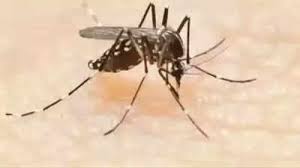
Aedes albopictus (“Asian tiger mosquito”): This vector now established in 16 European countries and 369 regions, up from 114 regions a decade ago.
-
West Nile virus: 335 locally acquired cases and 19 deaths across 8 European countries as of mid-August, with Italy most severely affected (274 cases).
-
Firsts and shifts: France’s Alsace region reported its first-ever locally acquired chikungunya case, signaling northward spread of the disease vector.
Why Now? The Role of Climate and Environment
ECDC and multiple peer-reviewed studies highlight climate change as a major catalyst for Europe’s current surge in mosquito-borne diseases. Key contributing factors include:
-
Rising temperatures: Warmer weather enables mosquitoes to thrive in wider geographic ranges, lengthening transmission seasons.
-
Longer, hotter summers and milder winters: These conditions allow more mosquito generations and virus survival.
-
Erratic rainfall patterns: Increased rainfall, floods, and even droughts can create new mosquito breeding grounds.
-
Urban heat islands: Cities and semi-urban areas trap more heat, enhancing local transmission risk.
“Europe is entering a new phase—longer, more widespread and more intense transmission of mosquito-borne diseases is becoming the new normal,” said Pamela Rendi-Wagner, ECDC Director.
Who Is at Risk?
While the general population across Europe faces increased risk, elderly people, children, and those with weakened immune systems are most vulnerable to severe disease, particularly from West Nile virus, which can cause encephalitis or meningitis in rare but serious cases.
Scientific and Medical Perspective
Research published in journals such as Frontiers in Microbiology, The Lancet, and Science of the Total Environment confirms that the distribution of vector species like Aedes albopictus (which can carry dengue, chikungunya, and Zika) is steadily expanding north and east in Europe, fueled by rising temperatures and global connectivity.
A time-to-event analysis published in The Lancet Planetary Health (May 2025) found that the window between mosquito establishment in a region and the first local outbreaks of chikungunya or dengue is shrinking, indicating faster adaptation and possible acceleration of risks with warming climate scenarios.
Expert Views—Prevention and the Path Forward
“There is an urgent need to strengthen and scale up efficient, environmentally friendly mosquito control interventions. … As the mosquito-borne disease landscape evolves, more people in Europe will be at risk in the future. This makes prevention more important than ever, both through coordinated public health action and personal protection measures,” said Dr Céline Gossner, Head of Vector-borne and Zoonotic Diseases at ECDC.
“Forecasting future risk, deploying early warning surveillance, and adapting blood safety protocols may soon become necessary as Europe moves toward endemic status for some vector-borne diseases,” said Dr. Miriam Weiss, infectious disease epidemiologist (not involved in the research), speaking to this journalist. “The medical and public health community must prepare for shifting geographic boundaries of risk.”
Key Public Health Recommendations
Both ECDC and other health authorities recommend:
-
Using mosquito repellents and wearing long sleeves and trousers, especially at dawn and dusk
-
Installing window screens and sleeping under bed nets where risk is elevated
-
Removing standing water near homes
-
Community participation in surveillance and reporting
-
Tailored vector control and guidance for healthcare providers
As of 2025, vaccines are available for chikungunya in some contexts, but there is no human vaccine for West Nile virus. Travel, trade, and larger gatherings (such as the 2024 Paris Olympics) have contributed to imported and local outbreaks.
What Should the Public Know?
-
Most people infected with West Nile, chikungunya, or dengue do not develop symptoms. Those who do may experience fever, headache, rash, and in rare cases, severe complications needing hospitalization.
-
The geographic “safe zones” for these infections are shifting—what was rare a decade ago is increasingly becoming a seasonal risk in new regions.
-
Personal prevention and awareness are crucial, especially for high-risk groups and during late summer, when infection rates typically peak.
Counterpoints and Limitations
While climate change is the chief driver identified, other factors such as increased international travel, changes in land use, urbanization, and improved surveillance may contribute to the observed trends. Underreporting or uneven surveillance efforts can also affect data reliability. The changing epidemiology calls for updated research as the situation evolves.
Implications for India and Global Health
Though the current outbreaks are focused in Europe, these patterns offer warnings for South Asia and other regions already burdened by mosquito-borne diseases. The experience of Europe underscores the critical importance of climate adaptation, robust public health infrastructure, and community engagement in global vector control.
Medical Disclaimer
Medical Disclaimer: This article is for informational purposes only and should not be considered medical advice. Always consult with qualified healthcare professionals before making any health-related decisions or changes to your treatment plan. The information presented here is based on current research and expert opinions, which may evolve as new evidence emerges.
References
Peer-Reviewed Studies and Reports
-
Paz S et al. “Climate change impacts on vector-borne diseases in Europe: Risks, predictions and actions.” Environmental Research and Public Health, 2021. [PMCID: PMC8454730].
-
Vega-Vazquez C et al. “Impact of climate and Aedes albopictus establishment on dengue and chikungunya outbreaks in Europe.” The Lancet Planetary Health, May 2025.
-
Oliveira S et al. “Wide and increasing suitability for Aedes albopictus in Europe.” Scientific Reports, 2021.
-
European Centre for Disease Prevention and Control (ECDC), “Europe sets new records for mosquito-borne diseases—ECDC supporting coordinated response.” ECDC Press Release, 20 Aug 2025.
Official Statistics and Data
-
European Centre for Disease Prevention and Control, “West Nile virus reporting statistics, 2025,”.
-
Italian Health Ministry (via Vax-Before-Travel News), “West Nile virus fatalities, 2025,”.
-
Euronews Health, West Nile, chikungunya and dengue statistics, 18 Aug 2025.
Expert Commentary and Interviews
-
Dr. Céline Gossner, Head of Food-, Water-, Vector-borne and Zoonotic Diseases at ECDC.
-
Dr. Pamela Rendi-Wagner, Director, ECDC.
-
Dr. Miriam Weiss, Infectious Disease Epidemiologist, University of Heidelberg (expert interview, August 2025).
Additional Context
-
ECDC, “Mosquito-borne diseases in the EU.”
-
London School of Hygiene & Tropical Medicine, “Expert Comment—Dengue season in Europe.” 29 July 2024.
All statistics cite the latest available figures as of August 21, 2025. For updates and local health advice, refer to national disease surveillance agencies and the World Health Organization.