 0
0
 0
0
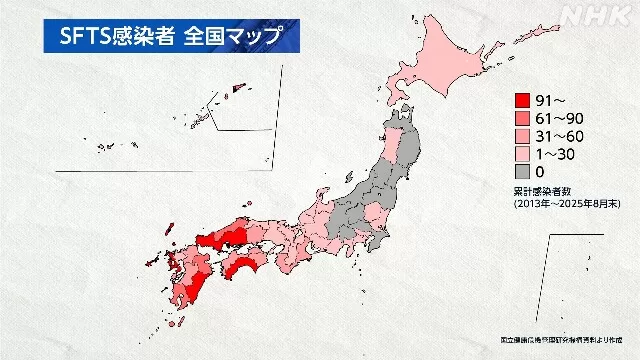
As of September 2025, Japan has witnessed a record surge in infections of Severe Fever with Thrombocytopenia Syndrome (SFTS), a serious tick-borne viral disease historically confined to rural regions but now spreading to residential and urban areas, including eastern Japan. Health authorities have issued evacuation orders for parts of Murakami City in Niigata Prefecture amid concerns about increased tick activity. With 152 confirmed cases already this year—surpassing last year’s record 130—experts urge vigilance for tick avoidance, especially during spring and autumn, to protect families and outdoor pets such as cats and dogs.
What is SFTS and Why Is Its Spread Increasing?
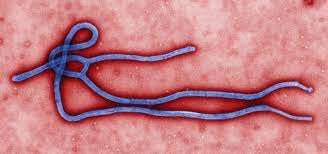
SFTS is caused by a virus (SFTS virus, SFTSV) transmitted primarily through bites from infected ticks, notably the Haemaphysalis longicornis species, which thrives in grassy and wooded areas. First confirmed in Japan in 2013, annual case numbers typically ranged between 40 and 130. However, by early September 2025, Japan reported 152 cases nationwide, signaling a concerning rise and geographic expansion from western to eastern Japan—including prefectures like Hokkaido, Ibaraki, and Kanagawa—with reports linked to urban residential zones.
The incubation period after a tick bite ranges from about six days to two weeks, with initial symptoms including high fever, fatigue, nausea, vomiting, and diarrhea. Severe cases may progress rapidly to dangerously low platelet counts causing bleeding, multiple organ failure, and even death. Mortality rates in Japan range from 10% to 30%, underscoring the syndrome’s serious health threat.
Expanding Risk Zones and Wildlife Reservoirs
Public health experts caution that even areas without confirmed human cases are not free from risk. Professor Aya Matsuu of Nihon University’s College of Bioresource Sciences highlights that wild animals such as raccoons and civets test positive for SFTS antibodies in regions with no reported human infections, suggesting that infected ticks are transported by wildlife, gradually widening the geographic distribution of the virus.
This expansion is believed to be aided by migratory birds and the movement of wild mammals carrying infected ticks. Urban green spaces adjacent to bushy areas pose potential exposure, although well-maintained city parks and sidewalks generally present lower risks.
Expert Advice on Protecting Families and Pets
To minimize the risk of tick bites—and by extension SFTS infection—experts recommend several key preventive measures, especially for those engaged in outdoor activities such as yard work, hiking, or walking pets.
-
Wear protective clothing: Long sleeves, long pants tucked into socks, boots, and hats reduce skin exposure and prevent ticks from finding soft skin areas to bite. Synthetic fibers are preferred as ticks do not cling easily to such fabrics.
-
Use insect repellents containing DEET: Though not foolproof, DEET-based repellents reduce tick attachment and should be applied to clothing and exposed skin.cdc
-
Avoid tick habitats: Exercise caution in grassy, bushy, or wooded areas where wild animals frequent, especially during spring and autumn when ticks are most active, between 15 and 30°C.
-
Conduct tick checks: After returning indoors, thoroughly inspect the body, paying close attention to hidden areas like underarms, behind knees, and the scalp. Prompt tick removal by medical professionals is advised to prevent complications.
-
Pets need protection too: Cats and dogs are susceptible to SFTS through tick bites. According to Japan’s National Institute for Health Risk Management, from 2017 to mid-2025, over 1,100 cats and 70 dogs have been infected, with mortality rates estimated as high as 60% for cats and 40% for dogs. Outdoor pets should be monitored closely for symptoms such as fever and vomiting, and preventive veterinary care is crucial.
Fumi Murakoshi, associate professor at Tokyo University of Agriculture and Technology, emphasizes that “While urban residents need not panic, it is essential to take proper precautions such as wearing appropriate clothing and checking for ticks after entering bushy or mountainous areas. This is particularly important for families with outdoor pets”.cdc
What to Do If You Suspect Infection
If bitten by a tick, remain calm and seek medical advice promptly. Avoid removing the tick yourself, as improper removal can leave parts embedded in the skin, increasing infection risk.
Because the early symptoms of SFTS—fever, fatigue, gastrointestinal upset—often mimic common viral illnesses, diagnosis can be challenging. Professor Koichi Izumikawa of Nagasaki University Hospital explains, “Patients often do not realize they have been bitten, and absence of typical rash or itching complicates diagnosis. Informing your doctor about recent outdoor activities in areas where ticks are present is critical to prompt testing and treatment”.
Monitoring health status for at least two weeks after potential exposure is advisable. Patients developing fever or malaise should seek medical evaluation urgently as early diagnosis can improve supportive care outcomes.
Public Health and Future Directions
The rising incidence of SFTS in Japan alongside pet infections points to an urgent need for public awareness campaigns and expanded tick surveillance, especially in expanding risk zones. While there is currently no vaccine or specific antiviral treatment for SFTS, supportive medical care combined with early detection can reduce fatality rates.
Researchers continue studying vector control strategies and wildlife host surveillance to anticipate further spread. Meanwhile, individuals living in or visiting tick-endemic areas are encouraged to adopt preventive measures and remain informed from trusted health authorities.
Medical Disclaimer
This article is for informational purposes only and should not be considered medical advice. Always consult with qualified healthcare professionals before making any health-related decisions or changes to your treatment plan. The information presented here is based on current research and expert opinions, which may evolve as new evidence emerges.
References
- https://www3.nhk.or.jp/news/html/20250917/k10014924421000.html