 0
0
 0
0
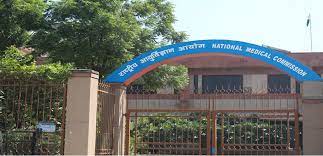
The National Medical Commission (NMC) recently issued a critical directive clarifying that medical colleges and institutes offering postgraduate (PG) medical courses no longer need to submit recognition proposals for their permitted courses and seats. Issued on August 18, 2025, by the Postgraduate Medical Education Board (PGMEB) of the NMC, this announcement establishes that once a PG medical course and its seats are permitted, they will automatically be regarded as recognized for the purpose of degrees and registration. However, medical colleges are now mandated to submit an Annual Disclosure Report with the necessary fee through the official NMC portal for each PG course offered, thereby ensuring compliance with updated regulatory standards.
Key Developments in Medical Education Regulation
The directive refers to the Post Graduate Medical Education Regulations 2023 (PGMER-2023), specifically Para 3.1(iv) of Chapter-III, which explicitly states that “once permitted, the course for the qualification will be considered recognized and seats permitted will be considered as recognized seats for registration of the degree awarded.” This regulatory paradigm shift streamlines administrative processes for medical colleges, eliminating the need for repetitive recognition proposals formerly required to validate seat allocations.
Nevertheless, the NMC emphasizes compliance with the Maintenance of Standards of Medical Education Regulations 2023, which requires medical colleges to file an Annual Disclosure Report. As per Chapter II of these regulations, institutions must provide detailed information to the PGMEB verifying ongoing adherence to standards outlined in the notified regulations. This reporting must be done online along with payment of the requisite fees when called upon.
NMC Secretary Raghav Langer, in a communication dated August 31, 2025, underscored the importance of this procedural change. He clarified that while recognition proposals are no longer required, the obligation to submit annual disclosures remains non-negotiable for all PG medical courses run under the medical colleges and institutions governed by the NMC.
Expert Perspectives and Context
Dr. Meena Arora, a medical education policy expert unaffiliated with the NMC, remarked, “This update signifies a major simplification in the regulation of postgraduate medical education in India. By treating permitted courses as automatically recognized, the NMC reduces administrative burden while maintaining oversight through mandatory annual disclosures. This balances efficiency with accountability.”
Such reforms respond to longstanding challenges faced by medical colleges navigating complex and time-consuming approval processes. By eliminating redundant recognition proposals, the system aims to foster smoother academic operations without compromising educational standards.
Implications for Medical Education and Public Health
For medical students and institutions, this policy brings clarity and predictability. Institutions can now focus on enhancing course quality rather than procedural compliance related to seat recognition applications. This may accelerate the process for expansions and modifications in PG medical education, potentially increasing accessibility and capacity to train specialists.
From a public health perspective, streamlining educational oversight supports a steady influx of qualified medical professionals critical to meeting healthcare demands. The requirement for annual disclosure ensures continued quality surveillance, helping maintain high training standards and safeguarding patient care outcomes.
Limitations and Ongoing Considerations
While the directive eases recognition procedures, its success hinges on rigorous and honest annual reporting by institutions. The NMC must enforce strict compliance and verification to prevent dilution of educational quality under the guise of automatic recognition.
Critics might argue that removing formal recognition proposals could reduce external scrutiny on course expansions or modifications, placing heavier reliance on internal institutional accountability mechanisms. Monitoring mechanisms must therefore be robust and transparent to retain trust in the medical education system.
Medical Disclaimer
This article is for informational purposes only and should not be considered medical advice. Always consult with qualified healthcare professionals before making any health-related decisions or changes to your treatment plan. The information presented here is based on current research and expert opinions, which may evolve as new evidence emerges.
References
- https://medicaldialogues.in/health-news/nmc/recognition-proposals-not-required-annual-disclosure-mandatory-nmc-tells-medical-colleges-154469