 0
0
 0
0
Two nurses in West Bengal tested positive for Nipah virus in early January 2026, prompting urgent surveillance efforts. A recent bat survey near the outbreak site found no active infections, though one bat showed evidence of past exposure, offering some relief but underscoring the need for continued vigilance. Health authorities emphasize robust contact tracing and preventive measures as the patients’ conditions stabilize slowly.
Survey Reveals Low Immediate Risk
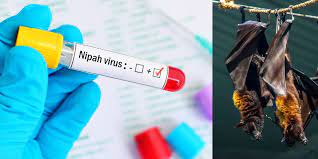
State forest department officials, collaborating with the National Institute of Virology (NIV) in Pune, collected samples from nine bats near Kuberpur in Madhyamgram, North 24 Parganas district. RT-PCR tests confirmed no active Nipah virus in any samples, a critical finding given fruit bats like Pteropus species serve as the primary reservoir. Antibodies in one bat indicate prior exposure, suggesting the local bat population has encountered the virus before without current transmission risk.
The survey, launched amid the two confirmed human cases, continues across additional sites to map prevalence comprehensively. “The findings are reassuring, but caution is warranted. Surveillance and preventive measures will continue until we are fully assured that there is no risk,” stated a senior West Bengal Health Department official. This aligns with national protocols, as the central government deployed a multi-institutional team including NIV experts for support.
Nipah Virus: A Persistent Zoonotic Threat
Nipah virus, a bat-borne paramyxovirus first identified in Malaysia in 1998, causes severe encephalitis with fatality rates often exceeding 70% in India’s clade I strains. Transmission occurs via contaminated fruit, date palm sap, or close human contact, with healthcare settings posing nosocomial risks. In India, outbreaks have recurred since 2001, notably in West Bengal (2001, 2007) and Kerala since 2018, totaling nine events there by 2025.
Symptoms start with fever, headache, and sore throat, progressing to dizziness, seizures, coma, and respiratory distress within days. No licensed vaccine or specific antiviral exists; treatment relies on intensive supportive care like ventilation and monitoring hypoxemia. Ribavirin shows limited efficacy, and experimental monoclonal antibodies like m102.4 remain investigational.
Human Cases Strain Healthcare System
The index cases involve two nurses, aged 25 and 27, from Purba Bardhaman and Nadia districts, who fell ill around January 6 after symptoms including fever, seizures, and altered consciousness. Admitted to a private Barasat hospital where they worked, samples confirmed Nipah at AIIMS Kalyani’s ICMR lab on January 11. One female nurse shows improvement at Barasat Hospital and awaits discharge pending negative RT-PCR, though ventilator support continues; the other remains critical.
Contact tracing tested over 100 individuals, including colleagues, with all negative so far at facilities like Kalyani AIIMS and Kolkata’s National Institute for Research in Bacterial Infections. The infection source remains unknown, heightening concerns over undetected community or occupational exposure. Seminars by the Institute of Health and Family Welfare now train medical staff on protocols, viewing this as a “litmus test” for post-COVID preparedness.
Dr. Utpal Banerjee, secretary of the Association of Health Service Doctors, noted, “Two Nipah positive cases have been reported… We have already urged the state government to take adequate precautionary measures immediately to prevent the disease.” Independent experts highlight occupational risks for healthcare workers, with meta-analyses showing up to 73% fatality in exposed staff without PPE.
Public Health Response and One Health Push
West Bengal formed a One Health Committee to standardize antivirals and guidelines, integrating human, animal, and environmental health. The Union Health Ministry monitors closely, providing lab support, surveillance, and infection control expertise. Around 100 people remain in home quarantine, with route maps released for public awareness.
Kerala’s model—rapid detection, isolation, and IEC campaigns—offers lessons, having contained multiple outbreaks effectively. Public advisories urge avoiding fallen fruits, uncooked date palm sap, and close bat contact; hand hygiene and PPE are vital in hospitals.
Broader Implications and Limitations
For the public, this reinforces avoiding raw bat-contaminated foods and reporting fever clusters promptly, potentially averting wider spread in dense areas like North 24 Parganas. Healthcare professionals face elevated risks, demanding PPE training and isolation protocols to curb nosocomial chains seen in past outbreaks.
The bat survey’s small sample (nine bats) limits generalizability; ongoing testing and ecological studies are essential. Unknown human sources and clade variability add uncertainty, as clade I strains boost human-to-human transmission. No evidence of international spread exists, but recurrent Indian cases signal sustained vigilance needs.
A senior health official described it as underscoring “national and global readiness in the post-COVID period.” Strengthening One Health approaches could mitigate future spillovers.
Practical Advice for Daily Health
Health-conscious readers should wash fruits thoroughly, cover date palm sap collection pots, and seek care for encephalitis-like symptoms early. Healthcare workers must prioritize droplet precautions and ventilation limits during care. Communities in bat-prone areas benefit from awareness drives, reducing exposure without panic.
Medical Disclaimer: This article is for informational purposes only and should not be considered medical advice. Always consult with qualified healthcare professionals before making any health-related decisions or changes to your treatment plan. The information presented here is based on current research and expert opinions, which may evolve as new evidence emerges.
References
-
Economic Times Health. “No active Nipah infection found in Bengal bats survey; one shows past exposure.” January 20, 2026. https://health.economictimes.indiatimes.com/news/industry/no-active-nipah-infection-found-in-bengal-bats-survey-one-shows-past-exposure/126956424