 0
0
 0
0
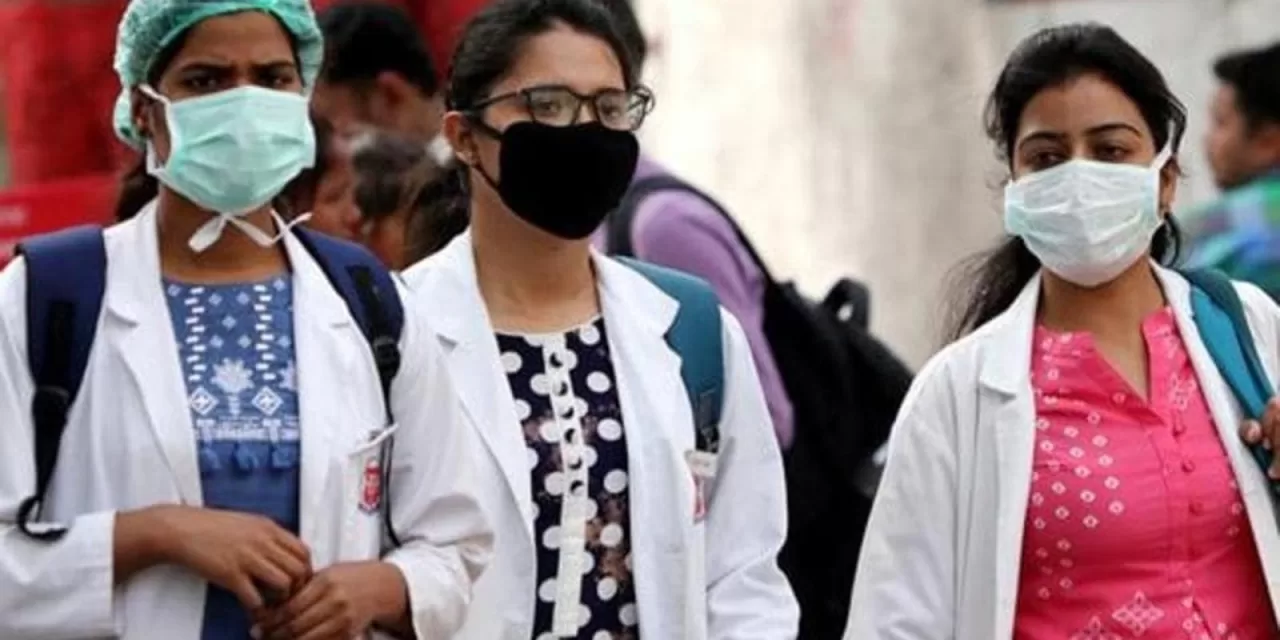
The Rajasthan Medical Education Department has announced a substantial revision to its postgraduate medical bond policy for the 2025-2026 academic session, requiring new medical graduates to sign service bonds at amounts reaching up to ₹1.5 crore—the highest in India—with mandatory government service obligations upon course completion.
What Has Changed?
From the 2025-2026 session, all medical students admitted to postgraduate (PG) and super-speciality courses in Rajasthan’s government medical colleges will be required to sign service bonds ranging from ₹25 lakh to ₹1.5 crore, depending on their chosen medical speciality. Those who do not serve for two years in state-run hospitals after graduation must pay the full bond amount. Previously, penalties stood at ₹25 lakh, with the government reducing them to ₹10 lakh after protests, but the mandatory service period remained at two years.
Bond Amounts by Specialisation
-
₹1.5 Crore: Dermatology, Radiodiagnosis, Obstetrics & Gynaecology, General Medicine
-
₹1 Crore: Orthopaedics, Paediatrics, Psychiatry, General Surgery, Ophthalmology, TB & Chest, Traumatology
-
₹50 Lakh: ENT, Emergency Medicine, Anaesthesia, Radiation Oncology, Nuclear Medicine, Pathology, PMR, Microbiology, Immunohematology, Palliative Medicine
-
₹25 Lakh: Biochemistry, Community Medicine, Anatomy, Physiology, Pharmacology, Forensic Medicine
To put this in perspective, these new bond amounts far exceed those in most other Indian states, where penalties typically range from ₹10 lakh to ₹50 lakh. Rajasthan’s penalty for certain branches is three times higher than Punjab, which previously held the highest bond for PG doctors at ₹75 lakh.
Why Was This Policy Changed?
State officials say the revised bond policy aims to tackle persistent shortages of specialist doctors in Rajasthan’s government hospitals, particularly in rural and underserved areas. By financially incentivizing graduates to serve in the public health system, the government hopes to improve the availability and quality of care for serious diseases and complex surgeries statewide.
Medical college supervisors emphasize that specialist vacancies in rural districts remain a critical challenge. “This bond policy will help us fill vital gaps and bring advanced health services closer to communities,” reports a senior official from the Rajasthan Medical Education Society (RajMES).
What Are the Key Concerns?
Medical Students and Resident Doctors
Student protests and feedback from resident doctors reveal growing anxiety about the steep penalties and compulsory service requirements. Some postgraduate medical students have considered changing career paths—or quitting medical college altogether—because they cannot afford to break the bond or complete the mandatory rural service. According to a recent survey, 54% of PG medical students nationwide have contemplated leaving their positions due to hefty bond penalties, but are deterred by the financial risk.
Resident doctors have also raised concerns about delays in posting orders and discrepancies in salary compared to in-service doctors, which can undermine morale and retention.
Expert Perspectives
Dr. Prakash Rajput, a senior physician and healthcare policy expert, notes, “The service bond policy differs from state to state, with financial penalties ranging from ₹10 lakh to ₹50 lakh. There’s a need for policy uniformity, and states must consider positive incentives like higher rural pay and academic benefits rather than solely relying on punitive bonds”.
Meanwhile, the National Medical Commission (NMC) has suggested moving toward incentive-based rural postings to improve mental health and career sustainability among medical graduates, instead of strictly punitive measures.
Legal and Ethical Issues
India’s Supreme Court has called for scrutiny of compulsory bond service policies, warning that they may border on “bonded labor” if enforced without appropriate safeguards or pathways to appeal, especially for doctors in high-demand specialities.Private medical colleges do not enforce such bonds, resulting in uneven obligations for graduates across states and institutions.e
Public Health Implications
Potential Benefits
The government argues the policy will:
-
Improve specialist availability in rural areas
-
Enhance the quality of governmental healthcare services
-
Reduce absenteeism among medical staff
-
Increase accountability for graduates accepting state-funded education
Possible Limitations
Critics warn that excessive penalties could:
-
Dissuade talented candidates from entering Rajasthan’s medical colleges
-
Force some students and early-career doctors into burnout or financial distress
-
Fail to address underlying infrastructure and resource gaps that contribute to the doctor shortage
Experts recommend investing in rural health resources and enhancing support for government doctors, rather than relying solely on punitive mechanisms.
What Does This Mean For Medical Aspirants?
Prospective PG students considering Rajasthan should carefully assess their willingness and ability to serve rural postings for two years, given the financial and career implications of the bond. A record-high penalty of ₹1.5 crore effectively locks graduates into the state system unless they can afford the exit fee—making it critical that entrants understand the full scope of their commitment when applying and counselling for seats.
Statistical Context
-
Penalty range in Rajasthan: ₹25 lakh to ₹1.5 crore (depending on specialization)
-
Mandatory service period: 2 years in government hospitals
-
54% of PG medical students nationwide have considered quitting due to bond policies
-
Rural doctor vacancies remain a challenge across up to 40% of district and sub-district hospitals in the state, according to government estimates
Practical Takeaways
-
Prospective students should review the bond terms during counselling, make informed choices about specialty and service obligations, and consult legal/financial advisors as needed
-
Families and students should plan for two years of rural service, or budget for the financial penalty if unable to serve
-
The overall success of the policy depends on supporting rural postings with adequate professional development and infrastructure
Reference Section
Medical Disclaimer: This article is for informational purposes only and should not be considered medical advice. Always consult with qualified healthcare professionals before making any health-related decisions or changes to your treatment plan. The information presented here is based on current research and expert opinions, which may evolve as new evidence emerges.