 0
0
 0
0
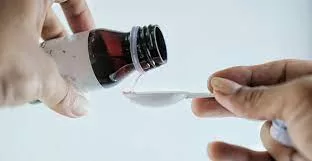
In early October 2025, health authorities in Rajasthan took decisive action against a doctor and a pharmacist at Hathideh Primary Health Centre (PHC) in Sikar district after they were found to have prescribed a banned cough syrup containing dextromethorphan to a child. This suspension followed an ongoing investigation into recent child deaths and safety concerns linked to cough syrups distributed under the state’s free medicine scheme, sparking wide public and professional scrutiny of pediatric medicine safety protocols in the region.
Background and Key Developments
Rajasthan’s Medical and Health Department initiated suspension proceedings against the healthcare professionals after complaints surfaced about the quality and safety of certain cough syrups being dispensed. Dextromethorphan, an antitussive drug commonly used to suppress coughing, is not recommended for use in children as per established protocols due to potential adverse effects. The department clarified that in two recent child death cases in Bharatpur and Sikar districts, dextromethorphan syrup had not been prescribed by doctors, with parents reportedly administering the drug without medical advice.
Despite this clarification, the doctor and pharmacist at Hathideh PHC were found to have violated guidelines by prescribing the banned syrup to a child, prompting their suspension. This measure underscores the department’s firm stance on adherence to medication guidelines and patient safety.
Incidents Under Investigation
-
A 30-year-old man, Monu Joshi, was prescribed dextromethorphan hydrobromide syrup for cough and fever, which he later administered to his three-year-old son, Gagan, without consulting a physician. Gagan developed pneumonia and was subsequently hospitalized and treated at JK Lon Hospital in Jaipur, showing improvement before discharge.
-
Another case involved siblings in Bharatpur, where one child, Samrat, died after reportedly consuming medication under unclear circumstances. Investigations revealed Samrat had existing pneumonia and had not been prescribed dextromethorphan syrup by medical personnel.
-
Similarly, the death of 5-year-old Nityansh Sharma from Sikar raised alarms after his mother gave him dextromethorphan syrup found at home without medical consultation shortly before the child was found unconscious and declared dead. Doctors involved in the case reported that dextromethorphan syrup had not been prescribed to the child during prior medical visits.
The Rajasthan Medical Services Corporation Limited (RMSCL) responded by banning the use and distribution of the implicated cough syrup batches and forming a three-member committee to probe the matter further. Drug samples were sent to the State Drug Testing Laboratory for quality and safety analysis.
Expert Commentary and Public Health Context
Dr. Ravi Prakash Sharma, Director of Public Health, emphasized that medical protocols do not recommend dextromethorphan syrup for children due to risks such as respiratory depression, dizziness, and potential overdose effects. He reaffirmed that physicians are urged to strictly adhere to guidelines and warned against self-medication, especially in vulnerable pediatric populations.
External experts in pediatric pharmacology highlight that while dextromethorphan is effective in adults for cough suppression, its use in young children is controversial and generally contraindicated. The US Food and Drug Administration and other global authorities have issued warnings against its use in children under 4 years, citing lack of proven efficacy and safety concerns.
Implications for Public Health and Practical Advice
This incident in Rajasthan reflects broader challenges in medication safety, quality control, and public awareness in pediatric care. It stresses the urgent need for:
-
Strict enforcement of prescribing guidelines by healthcare providers.
-
Enhanced training for pharmacists and medical staff on pediatric drug protocols.
-
Public education to discourage self-medication and emphasize consultation with qualified healthcare professionals.
-
Robust monitoring systems for drug quality, particularly in government supply chains.
Parents are advised to avoid giving over-the-counter or leftover medicines to children without explicit medical guidance and to be vigilant about drug labels and warnings.
Counterarguments and Study Limitations
While authorities have not directly linked the banned syrup to the recent deaths, investigations are ongoing. The causal relationship between the syrup and adverse outcomes is complex, influenced by underlying health conditions such as pneumonia. Further toxicological and epidemiological data are awaited to clarify these connections.
References