 0
0
 0
0
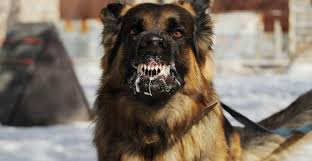
In India, the administration of the anti-rabies vaccine remains tightly regulated, restricted only to cases where bites from animals such as dogs, cats, or monkeys have occurred. Dog bites continue to be a public health concern across the country, prompting thousands to seek medical care and vaccination every month to avoid the fatal consequences of rabies—a disease nearly always lethal if untreated.
Unlike other childhood vaccines, the anti-rabies shot is not routinely administered as a preventive measure in India. Even private hospitals do not offer rabies vaccination without evidence of an animal bite. This policy stands in contrast to international practices where preemptive vaccination is sometimes considered for those at high risk. According to Dr. Sagar Borkar, Assistant Professor in Community Medicine at Delhi’s Ram Manohar Lohia Hospital, the rationale lies in the unique profile of the vaccine, which is specifically designed to confer rapid immunity only after suspected exposure.
Preventive vaccinations are recommended solely for individuals in high-risk occupations—veterinarians, animal handlers, or laboratory staff dealing with the rabies virus. The protective effect of the vaccine lasts for approximately three years. If a vaccinated person receives a bite within that window, booster doses are administered, following World Health Organization protocols.
Ultimately, the decision to vaccinate, and the need for boosters, is based on factors such as the wound’s severity, the aggressor animal’s condition, and the guidance of the medical professional at the anti-rabies centre.
Disclaimer: This article is intended for informational purposes only and should not be construed as medical advice. Readers are advised to consult healthcare professionals for suggestions regarding vaccination and treatment.
Reference: News18, “Rabies Vaccine Can Be Given Without A Dog Bite, But Not In India: Here’s Why”.