 0
0
 0
0
Lead:
In August 2025, Quebec confirmed its first locally-acquired case of Rocky Mountain spotted fever (RMSF), a rare but potentially fatal tick-borne bacterial infection previously more common in parts of the United States. This emergence in Quebec’s Eastern Townships highlights the expanding reach of tick-borne diseases in Canada—likely propelled by climate change and shifting tick habitats—and underscores the urgent need for public awareness, prevention, and early treatment.
What Is Rocky Mountain Spotted Fever?
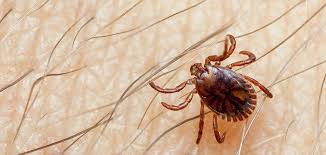
Rocky Mountain spotted fever is caused by the bacterium Rickettsia rickettsii and transmitted primarily through bites by infected ticks, especially the American dog tick (Dermacentor variabilis). Named after regions in the Rocky Mountains where it was first identified in the 1890s, RMSF manifests initially with non-specific flu-like symptoms that can escalate rapidly. Patients typically experience fever, headache, muscle pain, nausea or vomiting, abdominal pain, and loss of appetite. A hallmark red rash often appears 2 to 4 days after fever onset, ranging from pinpoint dots to larger patches.
Treatment involves the antibiotic doxycycline, which is usually effective, but delay can lead to severe complications including brain damage, amputation, hearing loss, and death. Mortality rates in untreated cases can reach 25%, while even with treatment, 5–10% of patients in the U.S. experience fatal outcomes, emphasizing the critical importance of early diagnosis and therapy.
Quebec’s First Local Case and Its Implications
The case in Quebec was reported in the Eastern Townships, an area east of Montreal. According to Dr. Alex Carignan, infectious disease specialist and professor at the University of Sherbrooke, the patient was bitten by a Dermacentor tick and responded well to doxycycline treatment. This represents the first confirmed instance of local tick transmission in Quebec, though the pathogen has been noted recently in dogs in Ontario, signaling its northward advance.
Experts point to climate change as a key driver behind this emergence. Milder winters and hotter, drier summers have allowed ticks to expand their range northward into regions previously inhospitable to them. This trend has led to increased cases of multiple tick-borne illnesses across Canada, including Lyme disease, anaplasmosis, and babesiosis.
Virginie Millien, Associate Professor at McGill University, emphasizes how changing ecosystems and warming temperatures promote the spread of ticks into new geographical areas, challenging previous assumptions about the rarity of RMSF in Canada.
The Growing Threat of Tick-Borne Diseases in Canada
Approximately 6,000 cases of RMSF are reported annually in the United States, concentrated primarily in states like North Carolina, Tennessee, Missouri, Arkansas, and Oklahoma. Canada historically had very few cases, with British Columbia reporting about one case per 500,000 people in 2019. However, Canadian health professionals are increasingly alarmed by rising tick populations and disease incidence.
Dr. Samir Gupta, a Toronto respirologist, warns of a general increase in tick bites and tick-borne diseases nationwide, urging heightened awareness and preventive action. The detection of Rickettsia rickettsii in Canadian ticks and confirmed infections in dogs indicate that RMSF is now firmly established in some Ontario regions and is spreading northward.
Prevention and Public Health Recommendations
Since RMSF is transmitted only through tick bites, and not person-to-person contact, prevention efforts focus on avoiding tick exposure. Public health authorities in Quebec and Canada recommend:
-
Staying on designated trails while outdoors and avoiding tall grasses and leaf litter where ticks thrive
-
Wearing long, light-colored clothing, tucking pants into socks, and using closed shoes
-
Applying insect repellents containing DEET or icaridin on exposed skin
-
Performing thorough tick checks and bathing soon after outdoor activities to remove unattached ticks promptly
Healthcare providers caution that early symptoms of RMSF can mimic many common illnesses, so a history of tick exposure and early medical evaluation are essential. Prompt treatment with doxycycline is lifesaving, and delayed diagnosis can result in severe, sometimes permanent complications.
Expert Perspectives and Future Outlook
Dr. Alex Carignan remarks, “This is a new reality. We have no choice but to face it.” He acknowledges the seriousness of RMSF and stresses raising awareness among both the public and healthcare professionals.
Dr. Isaac Bogoch, infectious diseases expert, calls RMSF “rare but potentially deadly” and notes that while it is treatable with antibiotics, prevention remains the best defense. He urges vigilance as these tick-borne diseases become more common in Canadian regions previously unaffected.
Limitations and Ongoing Monitoring
Though the identification of a single case in Quebec signals a shift, the overall incidence in Canada remains low compared to the U.S. More research is needed to track the evolving risk and to develop strategies for controlling tick populations. Climate variability adds uncertainty to forecasting disease spread, necessitating ongoing surveillance and public education.
Medical Disclaimer:
This article is for informational purposes only and should not be considered medical advice. Always consult with qualified healthcare professionals before making any health-related decisions or changes to your treatment plan. The information presented here is based on current research and expert opinions, which may evolve as new evidence emerges.
References
-
CBC News, “Tick-borne Rocky Mountain spotted fever spreading in Canada,” August 2025.