 0
0
 0
0
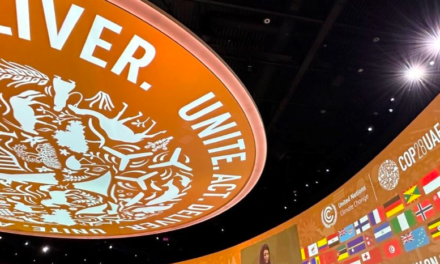
MOHALI, PUNJAB — In a move that could redefine the landscape of public health in India, the Punjab government officially launched the Mukh Mantri Sehat Yojna (MMSY) on Thursday. Spearheaded by National Convenor of the Aam Aadmi Party (AAP) Arvind Kejriwal and Punjab Chief Minister Bhagwant Mann, the scheme guarantees free medical treatment of up to Rs 10 lakh (approx. $12,000 USD) annually for every family in the state.
By removing income caps and including high-end private hospitals in its network, the initiative aims to bridge the long-standing gap between public healthcare accessibility and private-sector quality. The launch marks the fulfillment of a key electoral “guarantee” and positions Punjab as a pioneer in universal health coverage (UHC) within the country.
A Shift Toward Universal Health Coverage
The cornerstone of the MMSY is its inclusivity. Unlike previous state or central schemes that often targeted specific socio-economic brackets (such as those below the poverty line), this scheme covers all 65 lakh families in Punjab, representing nearly 3 crore residents.
“Today is not just a historic day for Punjab, but for the entire country,” stated Arvind Kejriwal during the launch event in Mohali. He emphasized that the scheme treats healthcare as a fundamental right rather than a privilege. “The phase that Punjab has been going through… will be written in golden letters in the history of Punjab.”
Key Features of the Mukh Mantri Sehat Yojna
The scheme introduces several structural changes to how residents will access medical care:
-
Rs 10 Lakh Coverage: A significant increase over previous caps, designed to cover major surgeries and chronic illness management.
-
No Income Limit: Eligibility is based on residency, not wealth, making it a truly universal program.
-
Private Hospital Integration: Patients can access specialized care at empanelled private institutions that were previously financially out of reach for the average citizen.
-
Digital Health Cards: The government has begun distributing MMSY cards to streamline the cashless treatment process.
Strengthening the Infrastructure: Beyond Insurance
While the Rs 10 lakh insurance cover is the flagship feature, Chief Minister Bhagwant Mann highlighted that the state is also investing heavily in primary healthcare infrastructure.
The administration reported the establishment of 1,000 Mohalla Clinics (community health centers) over the past four years, with an additional 500 currently under construction. These clinics serve as the first point of contact, providing free diagnostics and medicines, which experts say is crucial for early intervention and reducing the burden on tertiary care hospitals.
“Health cards will be issued to all 65 lakh families,” CM Mann noted. “For the first time, no income limit has been fixed for any health scheme in the state, setting a new benchmark for the entire country.”
Expert Perspectives and Public Health Implications
Independent public health experts view the move with a mix of optimism and caution.
“Universal health coverage is the ‘holy grail’ of public health,” says Dr. Arvinder Singh, a public health consultant not affiliated with the project. “By removing the income ceiling, Punjab is addressing the ‘missing middle’—those who aren’t poor enough for subsidies but aren’t wealthy enough to afford private catastrophic health expenses.”
However, experts also point to the need for rigorous oversight. Dr. Rajesh Kumar, former Head of the School of Public Health at PGIMER Chandigarh, suggests that the success of such a massive rollout depends on the reimbursement turnaround time for private hospitals and the prevention of “supplier-induced demand,” where hospitals might recommend unnecessary procedures because they are covered by the state.
Comparative Context: Punjab vs. National Standards
The MMSY significantly expands upon the central government’s Ayushman Bharat – Pradhan Mantri Jan Arogya Yojana (PM-JAY), which provides Rs 5 lakh coverage to the bottom 40% of the population. By doubling the coverage amount and expanding it to 100% of the population, Punjab is attempting a model similar to socialized healthcare systems found in parts of Europe or Canada, albeit through a public-private partnership (PPP) model.
| Feature | Ayushman Bharat (National) | Mukh Mantri Sehat Yojna (Punjab) |
| Coverage Amount | Rs 5 Lakh per family | Rs 10 Lakh per family |
| Eligibility | Socio-Economic Basis | Universal (All Residents) |
| Primary Care | Health & Wellness Centres | Aam Aadmi/Mohalla Clinics |
Potential Challenges and Limitations
Despite the ambitious nature of the launch, several hurdles remain:
-
Fiscal Sustainability: Critics and opposition parties have raised questions regarding the long-term funding of the scheme, given Punjab’s existing debt profile.
-
Quality Control: Ensuring that the quality of care in smaller empanelled private hospitals meets international standards remains a logistical challenge.
-
Awareness and Literacy: While the cards are being distributed, ensuring that rural populations understand how to navigate the “cashless” system is vital to prevent out-of-pocket spending.
What This Means for Residents
For the citizens of Punjab, the immediate impact is a reduced fear of medical bankruptcy. According to the National Health Accounts, out-of-pocket expenditure (OOPE) accounts for a significant portion of health spending in India, often pushing families into poverty.
“This isn’t just about a card; it’s about the security of knowing a heart surgery or cancer treatment won’t cost us our home,” said one of the early beneficiaries at the Mohali launch.
References
- https://tennews.in/aap-launches-free-treatment-up-to-rs-10-lakh-for-every-family-in-punjab/
Medical Disclaimer: This article is for informational purposes only and should not be considered medical advice. Always consult with qualified healthcare professionals before making any health-related decisions or changes to your treatment plan. The information presented here is based on current research and expert opinions, which may evolve as new evidence emerges.