 0
0
 0
0
In a landmark achievement for neuroscience and assistive technology, a team of international scientists—including a researcher from Pune—has developed the world’s first brain implant capable of translating neural activity into expressive speech in real time. The breakthrough, published in a recent issue of Nature, marks a significant leap forward for individuals with severe speech disabilities, such as those caused by amyotrophic lateral sclerosis (ALS).
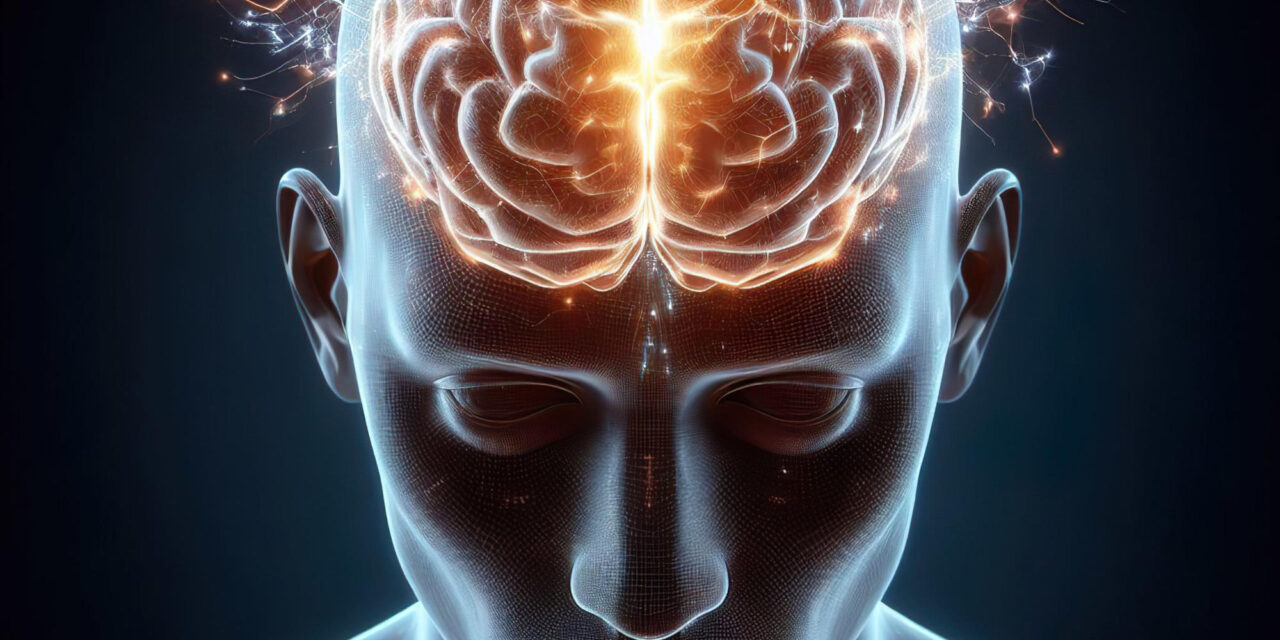
The device, known as a brain-computer interface (BCI), uses artificial intelligence to decode electrical signals from the brain as the user attempts to speak. Unlike previous models, which often produced speech only after a delay or lacked emotional nuance, this new system generates speech almost instantly—within 10 milliseconds—and captures the subtle variations in tone, pitch, and emphasis that make human communication expressive and meaningful.
Dr. Maitreyee Wairagkar, a neuroscientist originally from Pune and now at the University of California, Davis, played a key role in the research. The team implanted 256 tiny silicon electrodes into the brain of a 45-year-old man who had lost his ability to speak clearly due to ALS. The electrodes were placed in a region that controls movement, enabling the system to detect and interpret the man’s attempts to vocalize, even when his muscles could not produce clear sounds.
The AI-powered system was trained on recordings of the man’s voice prior to his illness, allowing the synthetic output to closely mimic his natural speech. The result is a voice that not only articulates words but also conveys emotion, asks questions with rising intonation, and even allows the user to hum melodies in multiple pitches—capabilities that were previously impossible with earlier BCIs.
“We don’t always use words to communicate what we want. We have interjections. We have other expressive vocalizations that are not in the vocabulary,” explained Dr. Wairagkar. “In order to do that, we have adopted this approach, which is completely unrestricted.”
This technology has the potential to transform the lives of millions worldwide who are unable to speak due to neurological conditions, stroke, or severe paralysis. The research represents a collaborative effort among scientists from the United States, India, and other countries, and is seen as a major milestone in the quest to restore natural communication for those who have lost it.
Disclaimer:
This news article is based on information available from published scientific studies and reputable news sources. The technology described is experimental and may not be widely available for clinical use. The opinions and interpretations presented here are for informational purposes only and should not be considered medical advice. Always consult a healthcare professional for guidance regarding medical conditions and treatments.