 0
0
 0
0
Researchers at Case Western Reserve University have uncovered a potential game-changer in asthma pathology: molecules called pseudo-leukotrienes, formed by uncontrolled free radical oxidation, appear to fuel inflammation more potently than traditionally blamed leukotrienes. Published in January 2026, this finding challenges decades-old theories and could lead to new biomarkers and treatments.
Study Reveals Hidden Chemical Culprits
The study, led by chemist Dr. Robert G. Salomon, analyzed urine samples from patients with mild, moderate, and severe asthma, alongside healthy controls. They discovered pseudo-leukotrienes (øLTs)—leukotriene-like compounds produced not by enzymes but through radical-induced oxidation of arachidonate lipids in cell membranes. Levels were 4- to 5-fold higher in severe asthma cases (P=0.004 for øLTC, P=0.0015 for øLTD), correlating directly with symptom severity, unlike traditional markers.
In lab tests on human bronchial epithelial cells and allergen-exposed mice, these molecules activated CysLT receptors, triggering ERK/Akt inflammatory pathways—effects blocked by drugs like montelukast. Salomon described the process as “like an explosion or a fire,” where free radicals overwhelm antioxidants like glutathione, allowing oxidative chains to propagate.
Challenging Long-Held Asthma Theories
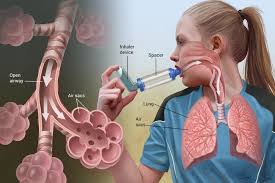
For decades, cysteinyl leukotrienes (CysLTs)—enzyme-produced signals—have been seen as asthma’s main inflammatory drivers, targeted by drugs blocking their receptors. This new research suggests øLTs, born from oxidative stress, may dominate in severe cases, explaining why some patients respond poorly to CysLT blockers. Asthma airways already show depleted antioxidants (e.g., SOD, glutathione), priming them for this radical chemistry.
The team synthesized øLTs in the lab to confirm detection via mass spectrometry, validating their presence in human urine without invasive procedures. Mouse models showed pulmonary øLTs doubling post-allergen exposure, mirroring human data.
Expert Perspectives on the Findings
Dr. Salomon emphasized targeting upstream oxidation: “A better treatment would be to stop the formation of these other molecules rather than gumming up the ignition.” While direct quotes from independent experts are emerging, pulmonologists note the discovery aligns with known oxidative stress in asthma, where ROS from eosinophils and pollutants exacerbate damage. One review highlights how antioxidants like N-acetyl cysteine (NAC) reduced hyperreactivity in models, supporting this pathway.
Dr. Craig Wheelock from Karolinska Institute, who studies urine metabolomics in asthma, has identified severity-linked profiles; øLTs could complement these for precision monitoring. Broader commentary suggests this reframes severe asthma as an “oxidative explosion,” urging trials of radical scavengers.
Broader Context of Asthma and Oxidative Stress
Asthma affects over 260 million globally, with severe forms resistant to steroids and biologics in up to 10% of cases. Oxidative stress is well-documented: exhaled 8-isoprostane and H2O2 rise during exacerbations, driven by airway inflammation, pollution, and infections. Depleted glutathione in severe asthma creates a vicious cycle, damaging lipids and amplifying signals like øLTs.
This builds on prior work linking radicals to remodeling and hyperresponsiveness, but uniquely ties it to leukotriene-mimicking agonists detectable non-invasively. Similar chemistry may underlie COPD, RSV, and bronchiolitis, expanding relevance.Public Health Implications and Daily Actions
If validated, urinary øLTs offer a simple severity biomarker—potentially via morning urine tests—guiding personalized therapy and reducing exacerbations. Upstream interventions, like boosting glutathione or using NAC/resveratrol, could prevent cascades without broadly suppressing immunity. For patients, this means discussing antioxidant status with doctors; smokers or urban dwellers face higher risks from pollutants fueling radicals.
Public health could shift toward prevention: fortifying diets with vitamin C/E precursors or Nrf2 activators like sulforaphane from broccoli. Early detection via øLTs might identify at-risk kids, averting progression.
Limitations and Cautious Optimism
The study is preliminary: small cohorts limit generalizability, and causation isn’t proven—øLTs correlate but may not solely drive disease. Mouse models don’t fully mimic human asthma heterogeneity. Antioxidant trials have mixed results; excess vitamins sometimes blunt natural defenses. Receptor blockers like montelukast already curb øLT effects indirectly, questioning need for new drugs.
Larger trials are needed to test øLTs as biomarkers and oxidation inhibitors in diverse populations. Conflicting views persist on oxidative primacy versus Type 2 inflammation.
Future Directions in Asthma Care
Researchers plan øLT checks in other diseases and human challenge studies. Drug development may focus on radical-trapping antioxidants or Nrf2 agonists, preserving beneficial inflammation. Precision medicine could integrate øLTs with FeNO/eosinophils for tailored dosing.This discovery promises a paradigm shift, but clinicians urge patience: “Monitor evolving evidence before changes.”
Medical Disclaimer: This article is for informational purposes only and should not be considered medical advice. Always consult with qualified healthcare professionals before making any health-related decisions or changes to your treatment plan. The information presented here is based on current research and expert opinions, which may evolve as new evidence emerges.
References
- https://www.earth.com/news/asthma-may-be-driven-by-a-hidden-chemical-reaction/