 0
0
 0
0
January 12, 2026
RIVERSIDE, Calif. — In a discovery that could reshape how global health organizations approach one of the world’s most persistent waterborne diseases, researchers at the University of California, Riverside (UCR) have found that high-protein diets may significantly blunt the impact of cholera. The study, published recently in the journal Cell Host & Microbe, reveals that specific proteins found in dairy and wheat can reduce the colonization of cholera bacteria in the gut by as much as 100-fold.
The findings offer a glimmer of hope for regions in Sub-Saharan Africa and Asia, where Vibrio cholerae remains a deadly threat. While modern medicine relies heavily on fluid replacement and antibiotics, this research suggests that the contents of a dinner plate could serve as a powerful, low-cost first line of defense.
A Microbe’s Weakness: Casein and Gluten
Cholera is a severe diarrheal infection caused by the ingestion of contaminated food or water. Once inside the human gut, the bacteria must compete with the body’s existing “good” microbes to establish a foothold.
The UCR team, led by Ansel Hsiao, an associate professor of microbiology and plant pathology, sought to determine if different macronutrients—fats, carbohydrates, and proteins—could tip the scales in favor of the host. Using mouse models, the researchers compared the effects of various diets on cholera growth.
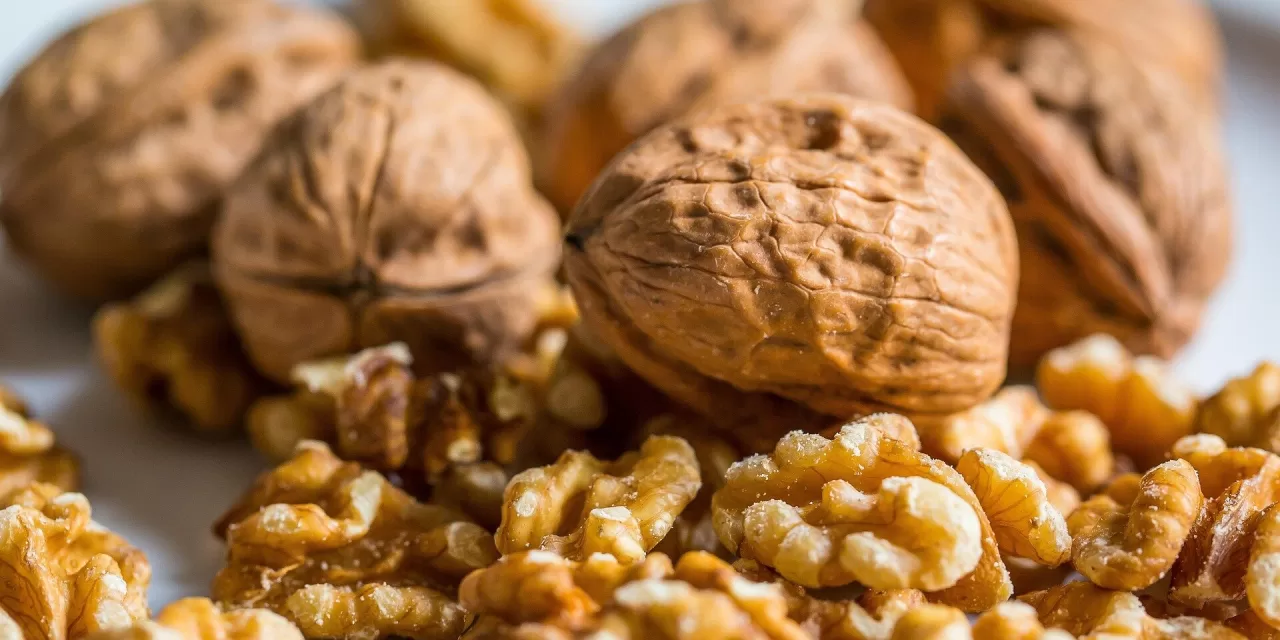
While high-fat diets showed little impact and carbohydrate-heavy diets offered only marginal protection, high-protein diets were transformative. Specifically, casein (the primary protein in milk and cheese) and wheat gluten were the most effective.
“I wasn’t surprised that diet could affect the health of someone infected with the bacteria. But the magnitude of the effect surprised me,” said Dr. Hsiao. “We saw up to 100-fold differences in the amount of cholera colonization as a function of diet alone.”
Disarming the “Molecular Needle”
The study’s most significant breakthrough lies in understanding how protein stops the infection. The researchers discovered that these specific proteins interfere with the Type 6 Secretion System (T6SS)—a tiny, needle-like apparatus on the surface of the cholera bacteria.
The T6SS is essentially a biological weapon. Cholera uses it to inject toxins into neighboring “friendly” bacteria in the gut, killing them to clear space for the infection to spread. When exposed to casein and gluten, this mechanism is suppressed. Unable to “fire” its molecular needle, the cholera bacteria cannot clear out the competition, leaving them unable to establish a dominant presence in the digestive tract.
Why This Matters for Public Health
Current cholera treatments face several hurdles:
-
Fluid Replacement: While life-saving, it treats the symptoms (dehydration) rather than the infection itself.
-
Antibiotics: They can shorten the illness but do not neutralize the toxins already released. Furthermore, global health experts worry about the rise of antibiotic-resistant “superbugs.”
-
Access: In many high-risk areas, expensive medications are difficult to distribute.
“Dietary strategies won’t generate antibiotic resistance in the same way a drug might,” Dr. Hsiao noted. Because proteins like gluten and casein are already classified as “Generally Recognized as Safe” (GRAS) by regulatory bodies, implementing dietary interventions could be a much faster route to protecting vulnerable populations than developing new pharmaceuticals.
Expert Perspectives: A Promising Tool, Not a Cure-All
While the results are striking, outside experts urge a balanced interpretation.
“The idea that we can modulate the virulence of a pathogen through nutrition is a burgeoning field in microbiology,” says Dr. Elena Rodriguez, an infectious disease specialist not involved in the study. “However, we must remember that cholera often strikes in areas where malnutrition is already prevalent. Access to high-quality protein like dairy or wheat is often the very thing these populations lack.”
Critics also point out that while the mouse models provided clear data, the human gut microbiome is significantly more complex. Factors such as age, underlying health conditions, and existing gut flora diversity could influence how effective a high-protein diet might be in a real-world setting.
The Road Ahead: From Lab to Table
The researchers at UCR are looking toward human trials to confirm these findings. Dr. Hsiao believes the implications could extend beyond cholera, potentially affecting how we treat other enteric (intestinal) pathogens.
For the general public and travelers to high-risk areas, the takeaway isn’t to rely solely on a cheese plate for protection, but rather to recognize the vital role nutrition plays in immune resilience.
“The more we can improve peoples’ diets, the more we may be able to protect people from succumbing to disease,” Hsiao concluded.
Key Statistics at a Glance
| Feature | Impact of High-Protein Diet |
| Bacterial Colonization | Reduced by up to 100x |
| Most Effective Proteins | Casein (Dairy) and Wheat Gluten |
| Mechanism Targeted | Type 6 Secretion System (T6SS) |
| Comparison | High-fat diets had “little to no effect” |
Practical Advice for Readers
While this research is focused on large-scale public health, it reinforces several core health principles:
-
Protein Quality Matters: Diversifying protein sources can support a healthy gut environment.
-
Travel Precautions: If traveling to regions where cholera is endemic, continue to prioritize safe water and cooked foods. Diet is a supplementary layer of protection, not a replacement for hygiene.
-
Support Global Nutrition: Public health initiatives that improve access to balanced nutrition may have the secondary benefit of reducing the burden of infectious diseases.
References
Primary Study:
-
Liu, R., Zhang, Y., Ge, S., Cho, J. Y., Esteves, N. C., Zhu, J., & Hsiao, A. (2025). “Diet modulates Vibrio cholerae colonization and competitive outcomes with the gut microbiota.” Cell Host & Microbe. DOI: 10.1016/j.chom.2025.11.004.
Medical Disclaimer: This article is for informational purposes only and should not be considered medical advice. Always consult with qualified healthcare professionals before making any health-related decisions or changes to your treatment plan. The information presented here is based on current research and expert opinions, which may evolve as new evidence emerges.