 0
0
 0
0
SYDNEY, Australia – New research suggests the optimal source of dietary protein might change significantly throughout our lives. A study led by researchers at the University of Sydney indicates that while animal-based protein is linked to lower mortality rates in young children, plant-based protein sources are associated with greater longevity in adults.
The findings, published in the journal Nature Communications, delve into the complex relationship between protein consumption patterns and health outcomes across different populations and age groups. The research team, headed by PhD candidate Caitlin Andrews and Dr. Alistair Senior, observed distinct benefits tied to both meat and plant proteins depending on life stage.
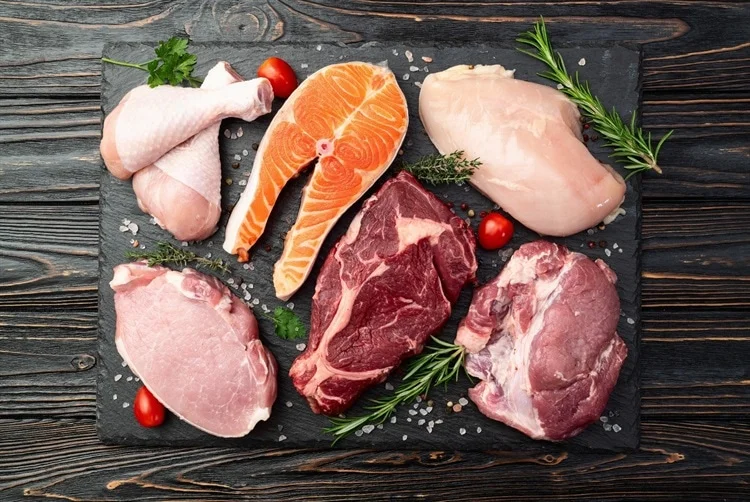
Globally, a trend towards increased consumption of animal-based proteins from sources like cattle, poultry, and pigs has been noted over recent decades. However, the study highlights that this shift isn’t universal, with legumes like chickpeas and beans, alongside dairy and eggs, remaining dietary staples in many regions, often dictated by affordability.
Boost for Early Years, Burden Later?
The study found a significant correlation between higher intake of animal-based proteins and fats and lower rates of infant mortality in children under five. “For the under-fives, a food system that supplies large amounts of animal-based proteins and fats lowered rates of infant mortality,” stated lead author Caitlin Andrews.
This link is likely due to the rich supply of essential amino acids, vital minerals like iron and zinc, and vitamins found in meat, eggs, and dairy. These nutrients, along with energy-dense fats, are crucial for growth and development, particularly in regions where young children may face nutritional deficiencies. However, access to these nutrient-dense animal products remains a challenge for families in impoverished settings.
Conversely, the research points towards plant-based proteins as a key factor for longevity in adulthood. “For adults, plant-based proteins increased overall life expectancy,” Andrews noted. Diets rich in legumes, peas, lentils, and nuts are associated with lower rates of chronic conditions, including cardiovascular disease. The higher fiber content typical of plant-based diets also supports digestive health and may reduce the risk of type 2 diabetes. This contrasts with potential health risks linked to high consumption of red and processed meats later in life.
The role of dietary fat also appears to shift. While animal fats might help combat malnutrition in early childhood, reducing intake of high-fat, particularly saturated fat, products in adulthood is beneficial for managing weight and potentially lowering risks of conditions like hypertension and type 2 diabetes, especially when combined with high sugar intake and inactivity.
Environmental Considerations and Shifting Needs
The environmental footprint of protein sources is an increasingly critical factor. “Protein is a crucial part of the human diet, but as eating habits change and developed countries look to decarbonize, where we get our protein from has come under greater scrutiny,” the research team commented. Livestock farming generally demands more land and water resources and generates higher greenhouse gas emissions compared to cultivating plant proteins like peas or chickpeas.
This environmental pressure is driving interest in plant-based alternatives, but the researchers caution that shifts must consider the crucial role animal-sourced nutrients play in early childhood development.
The study suggests that dietary needs evolve. While variety might be best for young children, adults seeking a longer, healthier life may benefit from incorporating more beans, lentils, and other plant proteins. The optimal balance depends on individual circumstances, including budget, culture, and health status.
Ultimately, the findings highlight a potential pattern for optimizing health: ensuring adequate total protein intake throughout life, with a gradual shift towards more plant-based sources after childhood. The researchers emphasize the need for innovations in nutritious vegetarian options for children at risk of malnutrition and more accessible nutritional support programs globally, alongside policy and agricultural reforms to promote both human health and environmental sustainability.
Disclaimer: This news article is based on information provided regarding a study published in Nature Communications. It is intended for informational purposes only and does not constitute medical or dietary advice. Readers should consult with qualified healthcare professionals or registered dietitians for personalized dietary recommendations.