 0
0
 0
0
In a country where nearly three-quarters of the population is estimated to be protein-deficient, a new wave of protein-enriched foods is sweeping India, led by major brands like McDonald’s, dairy giant Amul, and startups backed by Bollywood celebrities and cricket stars. This nutrition push, emerging in 2025, aims to address the country’s unique dietary challenges by making protein accessible, desirable, and affordable for all, particularly given India’s high vegetarian population and low meat consumption.
Protein Deficiency: A Major Public Health Challenge in India
India faces a significant public health issue with protein deficiency affecting approximately 73% of its 1.4 billion population. The problem is rooted in the country’s traditionally cereal-heavy diets, with nearly 30% of Indians being vegetarian and beef consumption banned in most states due to religious sensitivities. Meat availability in India is starkly lower compared to other countries, averaging just 6.6 kg per person annually, against 123 kg in the United States and 70.5 kg in China, according to 2022 U.N. data.
Protein is vital for muscle integrity, immune function, and overall health, making this deficiency a serious concern, especially in rural areas where access to diverse protein sources remains limited. A recent survey of 785 households in India’s semi-arid tropics found that 80% consumed less protein than recommended, underlining the pressing need for innovative interventions to improve protein intake.
Innovative Protein Products Tailored to Indian Tastes
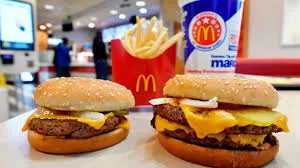
McDonald’s India launched a pioneering vegetarian protein slice developed in collaboration with government food scientists to enhance protein intake subtly and palatably. The slice contains five grams of protein and is designed for Indian taste preferences, resolving prior issues with chewiness and texture. Its debut saw 32,000 units sold within 24 hours across South Indian outlets, underscoring consumer enthusiasm.
Similarly, Amul has expanded its high-protein dairy offerings, including buttermilk, ice cream, and flatbreads, strategically using whey, a protein-rich byproduct, which otherwise goes underutilized. The Indian dairy market for high-protein products grew nearly 9.4% in 2024, with projected growth of 12% this year. This represents a burgeoning market opportunity hinged on improved nutrition.
Startups like SuperYou, co-founded by Bollywood star Ranveer Singh, have tapped into this wellness trend by selling protein-enriched snacks such as wafers and baked chips. While these products command a premium price, they cater to urban health-conscious consumers and are expanding their reach to smaller towns.
Celebrity Endorsements Amplify the Nutrition Message
The involvement of high-profile influencers from Bollywood and cricket has amplified awareness and acceptance of protein-enriched foods. Ranveer Singh promotes protein snacks to his 47 million Instagram followers, framing protein as an everyday nutritional need rather than a niche gym supplement.
Cricket leagues, notably the Indian Premier League (IPL), have become vehicles for protein messaging through partnerships with Amul and other brands, using star athletes in viral social media campaigns. These efforts align nutrition with popular culture, creating a persuasive narrative around protein consumption.
Expert Perspectives and Public Health Implications
Experts emphasize that India’s protein deficiency requires culturally sensitive and scalable solutions. Aashitosh Inamdar, chief scientist at the Central Food Technological Research Institute, stressed the importance of making protein “more edible” and accessible to save the population from malnutrition. Developing protein-enriched local foods that fit regional tastes is critical for widespread adoption.
The expansion of protein-fortified products beyond supplements and powders to everyday foods like cookies, ice creams, and flatbreads illustrates an important shift towards integrating protein into regular diets. This approach may be more sustainable and effective in improving public health outcomes by reaching diverse socio-economic groups.
Limitations and Balanced Viewpoints
Despite the promising surge in protein-focused innovation, challenges remain. Many high-protein products carry a higher price point, potentially limiting access for low-income households where protein deficiency is most acute. Moreover, while urban areas embrace these trends, rural population segments still lack widespread availability and awareness.
Nutritional experts caution against viewing protein as a panacea. Balanced diets require an array of nutrients, and excessive protein intake, particularly from animal sources, may carry environmental and health trade-offs. Continued research and policy interventions are necessary to ensure equitable, effective nutrition improvements tailored to India’s unique demographic and cultural landscape.
Practical Takeaways for Consumers
For health-conscious individuals, this protein movement encourages incorporating more protein-rich foods suited to personal and cultural preferences, including plant-based options like legumes, dairy, and fortified snacks. Consumers should seek moderate protein intake as part of a balanced diet and remain mindful of product quality and affordability.
Healthcare professionals can support this trend by advising patients on accessible protein sources and dispelling myths about protein consumption being exclusively for athletes. Public health campaigns integrating celebrity influence with scientific advice have the potential to make meaningful impacts on nutrition behavior.
Medical Disclaimer:
This article is for informational purposes only and should not be considered medical advice. Always consult with qualified healthcare professionals before making any health-related decisions or changes to your treatment plan. The information presented here is based on current research and expert opinions, which may evolve as new evidence emerges.
References:
- https://health.economictimes.indiatimes.com/news/industry/mcdonalds-and-bollywood-star-promote-protein-craze-in-india/123521917?utm_source=top_story&utm_medium=homepage