 0
0
 0
0
As the seasons change, many individuals find themselves under the weather, leading doctors to often prescribe antibiotics to treat bacterial infections like whooping cough or strep throat. While antibiotics are effective in fighting off these infections, they can also disrupt the balance of good bacteria in your gut, leading to common side effects such as an upset stomach, nausea, or diarrhea.
Dr. Lauri Wright, an associate professor and director of nutrition programs at the University of South Florida, explained to Today.com that antibiotics, while fighting harmful bacteria, also “kill the good bugs that are in our intestines.” This disruption can leave the gut vulnerable, making it essential to focus on the right foods to restore balance and promote gut health.
According to Theresa Gentile, a spokesperson for the Academy of Nutrition and Dietetics, replenishing the gut’s bacteria through either food or supplemental probiotics can significantly support your recovery. “You can regrow and repopulate the gut with either foods or supplemental probiotics,” Gentile shared with Today.com.
The Best Foods to Eat While on Antibiotics
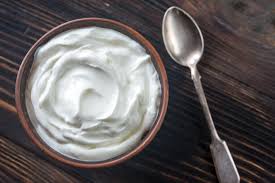
Eating the right foods during an antibiotic course can help restore healthy bacteria. Dietitians suggest incorporating probiotic-rich foods that contain healthy bacteria, such as yogurt, kimchi, kombucha, and cottage cheese. These foods help to repopulate the gut with beneficial microorganisms.
Prebiotic foods, which provide the fiber needed for probiotics to thrive, are also recommended. Foods like bananas, garlic, onions, apples, and beans should be added to your diet during this period. Additionally, consuming foods rich in vitamin K is crucial since antibiotics can kill the bacteria that produce this essential vitamin. Leafy greens such as spinach, kale, and collard greens are excellent sources of vitamin K and should be included in your meals.
Foods to Avoid While on Antibiotics
While eating the right foods can aid your recovery, there are certain foods you should avoid while taking antibiotics. Fried and fatty foods should be limited as they can cause discomfort and make you feel overly full without providing nutritional benefits. Spicy foods can exacerbate nausea, and sugary foods may feed harmful bacteria in the gut, making the situation worse.
Perhaps most importantly, it is essential to avoid alcohol while on antibiotics. Alcohol can intensify side effects like nausea and diarrhea, making the healing process more challenging.
Conclusion
Maintaining a balanced diet while on antibiotics is key to supporting your gut health and alleviating any potential discomfort. By choosing probiotic, prebiotic, and vitamin-rich foods while avoiding certain harmful items, you can promote a healthier recovery process. Always consult with your doctor or dietitian for personalized advice on how to best care for your gut during antibiotic treatment.
Disclaimer: The information provided in this article is for educational purposes only and is not intended to substitute for professional medical advice. Always consult a healthcare provider before making any changes to your diet or medication regimen.