 0
0
 0
0
NEW DELHI — In a landmark development for neurological medicine in South Asia, the All India Institute of Medical Sciences (AIIMS) recently concluded India’s first comprehensive Deep Brain Stimulation (DBS) workshop. The intensive program, dedicated to the advanced surgical treatment of Parkinson’s disease and other complex movement disorders, signals a pivotal shift in how the nation’s healthcare system approaches chronic neurological conditions that were once considered unmanageable in their later stages.
The workshop, which brought together top-tier neurosurgeons, neurologists, and medical technology experts, focused on the “precision-first” approach to DBS—a procedure often described as a “pacemaker for the brain.” As India faces a rising tide of age-related neurological disorders, this initiative aims to standardize the complex surgical protocols required to offer patients a life beyond the limitations of tremors and rigidity.
The Science of “Brain Pacemakers”
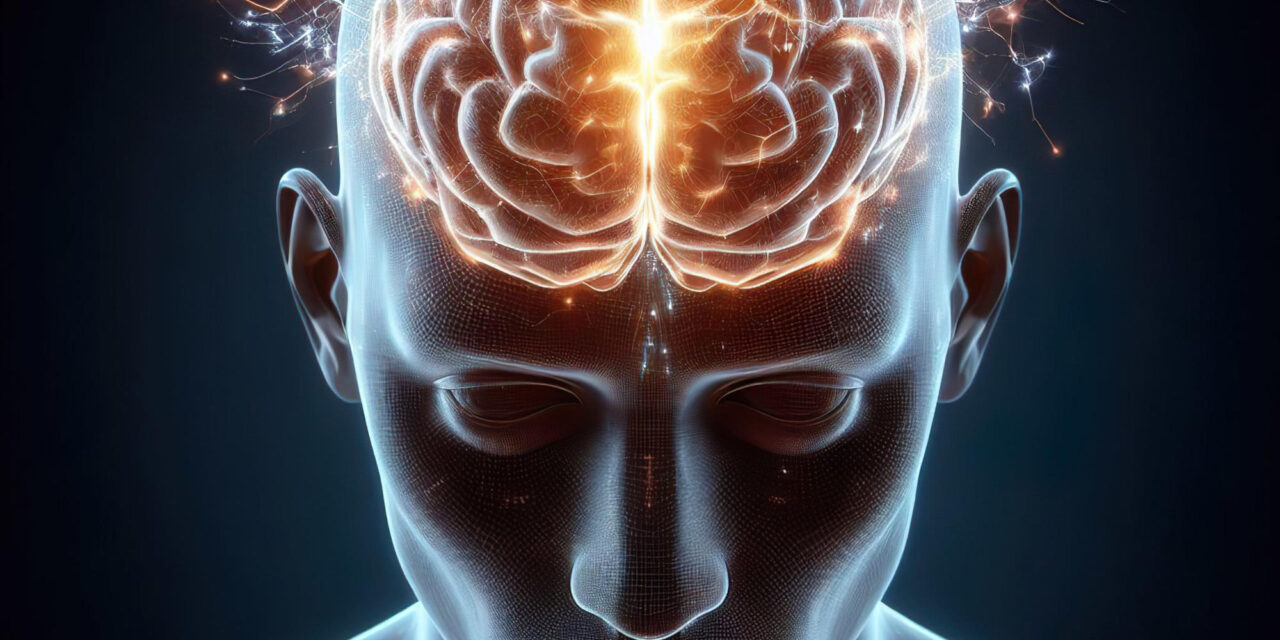
Deep Brain Stimulation is a neurosurgical procedure involving the implantation of electrodes within specific areas of the brain. These electrodes produce electrical impulses that regulate abnormal impulses or affect certain cells and chemicals within the brain. The amount of stimulation in DBS is controlled by a pacemaker-like device placed under the skin in the upper chest.
“DBS is not a cure, but for the right candidate, it is a restoration of dignity,” says Dr. Rajesh Sharma, a senior neurologist who participated in the clinical discussions (speaking generally on the technology). “When medication alone can no longer bridge the gap between a patient’s symptoms and their ability to perform daily tasks, DBS acts as a vital intervention.”
According to data presented during the workshop, the procedure is most effective for patients with Parkinson’s disease whose symptoms are responsive to levodopa but who experience “off” periods or dyskinesia (involuntary movements) that medication can no longer adequately control. It is also increasingly used for essential tremor and dystonia.
Key Findings: Success in the Indian Context
One of the primary focuses of the AIIMS workshop was the adaptation of global DBS standards to the Indian clinical environment. Research published in the Journal of Movement Disorders suggests that while DBS is highly effective, the success of the surgery is overwhelmingly dependent on the “mapping” phase—the process of identifying the exact millimeter of brain tissue to stimulate.
The workshop highlighted several critical advancements:
-
Microelectrode Recording (MER): Using ultra-fine probes to listen to the activity of individual neurons, ensuring the electrode is placed with sub-millimeter accuracy.
-
Directional Leads: Newer technology that allows surgeons to steer the electrical field away from areas that might cause side effects, such as speech or vision impairment.
-
Cost-Reduction Strategies: Discussions on how to make the expensive hardware more accessible to the Indian middle class without compromising safety.
Why This Matters Now
The timing of this workshop is critical. The World Health Organization (WHO) reports that Parkinson’s disease is the fastest-growing neurological disorder globally. In India, the prevalence is rising due to increased life expectancy. Experts estimate that millions of Indians are currently living with Parkinson’s, yet only a fraction have access to advanced surgical interventions.
“We are seeing a ‘neurological transition’ in India,” says Sarah Mehra, a public health researcher specializing in geriatric care. “As our population ages, we cannot rely solely on pharmacological solutions. We need specialized centers of excellence that can perform these high-tech surgeries safely.”
Expert Perspectives: Beyond the Scalpel
While the surgery is a marvel of engineering, experts at the workshop emphasized that the surgery is only half the battle. The “programming” phase—where a neurologist fine-tunes the electrical settings over several months—is where the real recovery happens.
Dr. Anita Iyer, a specialist in movement disorders not affiliated with the AIIMS event, notes the importance of a multidisciplinary team. “A successful DBS program requires a neurosurgeon, a neurologist, a neuropsychologist, and a specialized physiotherapist. The AIIMS workshop is vital because it teaches the ecosystem of care, not just the surgery itself.”
Navigating the Risks: A Balanced View
Despite the high success rates—often cited at over 80% for significant symptom reduction—DBS is not without risks. As with any brain surgery, there is a small risk of infection (approx. 1-3%), brain hemorrhage (less than 1%), or hardware failure.
Furthermore, DBS is not recommended for patients with significant cognitive decline or severe depression, as the stimulation can, in some cases, exacerbate these issues. This underscores the necessity of the rigorous screening protocols taught during the AIIMS workshop.
Practical Implications for Patients
For patients and families, the takeaway from this inaugural workshop is one of cautious optimism. If you or a loved one is considering DBS, experts recommend asking the following questions:
-
Is the diagnosis confirmed? DBS is only effective if the movement disorder is correctly identified.
-
Has medication optimization been exhausted? Surgery is typically considered when “best medical therapy” is no longer sufficient.
-
Is there a multidisciplinary team? Ensure the facility has both the surgical expertise and the long-term programming support required.
Looking Ahead
The AIIMS workshop marks the beginning of a national effort to decentralize advanced neurological care. By training surgeons from across India, the goal is to ensure that a patient in a tier-2 city doesn’t have to travel to New Delhi or Mumbai to receive world-class treatment.
As the technology evolves—with artificial intelligence now being used to automate some of the programming tasks—the “brain pacemaker” may soon become as standard as its cardiac counterpart, offering a second lease on life to those trapped by the tremors of the past.
Medical Disclaimer: This article is for informational purposes only and should not be considered medical advice. Always consult with qualified healthcare professionals before making any health-related decisions or changes to your treatment plan. The information presented here is based on current research and expert opinions, which may evolve as new evidence emerges.
References and Sources
- https://www.ndtv.com/health/aiims-conducts-india-s-1st-deep-brain-stimulation-workshop-for-parkinson-s-movement-disorders-9844608