 0
0
 0
0
New research analyzing over 1.8 million colonoscopies across the United States between 2019 and 2022 reveals that best practice guidelines for removing small colon polyps are routinely not followed by most endoscopists. The study, published in The American Journal of Gastroenterology in October 2025, highlights substantial variation in polypectomy techniques, with less than 60% of small polyp removals using the recommended cold snare method. Experts warn that such deviations may expose patients to unnecessary risks and emphasize the urgent need to standardize and improve polypectomy quality nationwide.
Key Findings and Developments
The analysis of 4601 endoscopists across 702 sites found that only 58% of procedures for polyps smaller than 1 cm—common lesions detected during screening colonoscopies—used the guideline-recommended cold snare polypectomy (CSP). Even fewer—just 51%—relied solely on this technique without adjunctive devices. Cold forceps polypectomy (CFP) was used in 35% of cases, while hot snare polypectomy (HSP), which carries a higher risk of complications, was used in 11% of cases.
The findings indicate a significant quality gap, as CSP is recommended to ensure both safe and complete polyp removal. The frequent use of CFP and HSP, especially for low-risk lesions, potentially increases risks such as bleeding or incomplete resection that can lead to interval colorectal cancer.
Expert Opinions
Dr. Seth Crockett, lead author and professor of medicine at Oregon Health & Science University, expressed surprise at the low rate of CSP use despite established guidelines. He noted that gastroenterologists tended to follow guidelines more closely, with less frequent use of HSP and higher adoption of CSP, compared to non-specialists. This suggests specialist training impacts adherence to best practices.
Dr. David Johnson, chief of gastroenterology at Eastern Virginia Medical School, described the findings as “concerning, surprising, and disappointing,” emphasizing the need for increased awareness and adherence to current polypectomy quality recommendations.
Context and Background
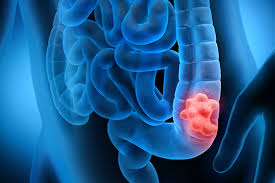
Colon polyps under 1 cm are routinely detected during colonoscopies and their removal is a critical step for colorectal cancer prevention. Cold snare polypectomy – which involves mechanical removal without electrocautery – is recommended due to its safety profile and effectiveness, particularly for small lesions.
Variation in polypectomy technique was also noted by region, with higher CFP use in the Northeast and higher CSP use in the Midwest, pointing to differences in training, procedural habits, and equipment availability. Studies show that inconsistent polypectomy technique could directly impact the effectiveness of colorectal cancer screening programs nationwide.
Public Health Implications
The widespread deviation from best polypectomy practices signals a major opportunity to improve colonoscopy quality and patient safety across the US. Inappropriate techniques could lead to higher rates of complications and incomplete polyp removal, potentially increasing colorectal cancer risk despite screening efforts.
Improving adherence through standardized training, quality monitoring, and dissemination of evidence-based guidelines is essential. Such initiatives could reduce variation in care and enhance the overall impact of colorectal cancer prevention programs.
Potential Limitations and Counterarguments
The study used registry data which may have limitations such as incomplete reporting or variability in data capture. The complexity of individual cases sometimes necessitates deviation from guidelines based on clinical judgment. Further research is needed to understand how practice variations affect long-term patient outcomes and to identify barriers to guideline adherence.
Practical Takeaways for Readers
For patients undergoing colonoscopy, it is advisable to discuss with their healthcare provider the techniques used for polyp removal and the physician’s experience with current guidelines. Awareness and communication may help ensure adherence to best practices, enhancing safety and effectiveness.
Medical Disclaimer:
Medical Disclaimer: This article is for informational purposes only and should not be considered medical advice. Always consult with qualified healthcare professionals before making any health-related decisions or changes to your treatment plan. The information presented here is based on current research and expert opinions, which may evolve as new evidence emerges.
References