 0
0
 0
0
KARACHI — The Pakistan Polio Eradication Programme has confirmed the presence of wild poliovirus type 1 (WPV1) in environmental samples collected from seven districts across the country, raising renewed concerns about ongoing transmission risks.
The affected districts include Quetta, Gwadar, South Waziristan (lower), South Waziristan (upper), Rawalpindi, Larkana, and Mirpurkhas. These findings are part of a nationwide environmental surveillance effort, with a total of nine sewage samples collected from nine districts between May 8 and 23. Notably, samples from Pishin and Lahore were declared free of the poliovirus, indicating some progress in targeted areas.
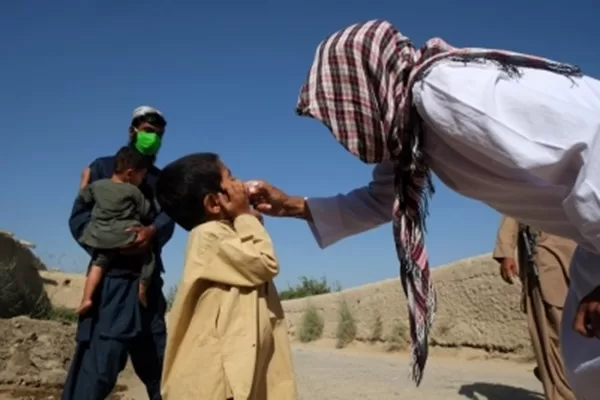
Despite massive vaccination campaigns—over 45 million children immunized across three national drives this year, supported by more than 400,000 frontline workers—the country continues to face significant challenges. The Emergency Operations Centre (EOC) reported a rising trend in vaccination refusal rates, especially in Karachi, where 37,711 parents declined the polio vaccine for their children in May alone, up from 37,360 in April.
Health officials highlight that misunderstandings and lack of awareness remain major barriers to vaccination. Special attention is now being directed toward high-risk union councils, where access issues and community resistance further complicate eradication efforts.
Pakistan remains one of the two polio-endemic countries globally, alongside Afghanistan. So far in 2025, the country has reported 12 polio cases, with Khyber Pakhtunkhwa recording six, Sindh four, and one each from Punjab and Gilgit-Baltistan.
The Pakistan Polio Eradication Programme continues to urge parental cooperation and community support to overcome these hurdles and move closer to a polio-free nation.
Disclaimer:
This article is based on information available from multiple news sources and official reports as of June 21–22, 2025. While every effort has been made to ensure accuracy, readers are encouraged to consult official health authorities for the latest updates and guidance. The views expressed herein do not constitute medical advice. Vaccination remains the most effective means of preventing polio in children.