 0
0
 0
0
The world’s battle against polio, once on the verge of total victory, is facing a troubling resurgence fueled by a combination of mismanagement, persistent misinformation, and the limitations of current vaccination methods. Despite decades of global efforts, the highly infectious disease continues to circulate in Pakistan and Afghanistan, the only two countries where wild poliovirus transmission has never been fully interrupted.
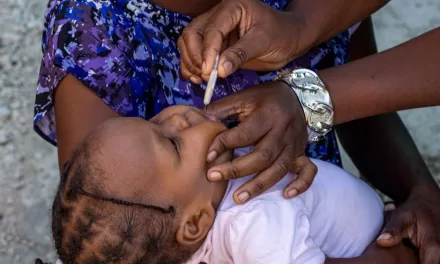
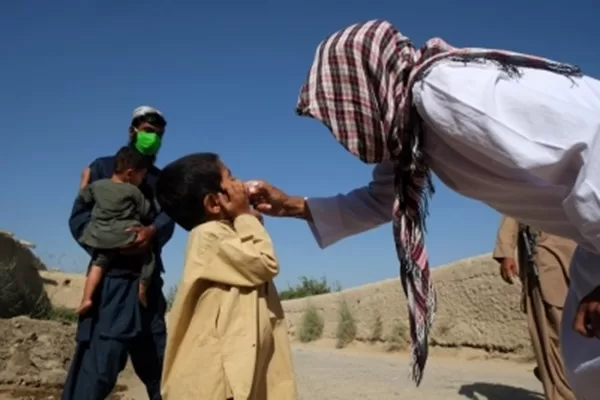
Frontline workers like Sughra Ayaz in southeastern Pakistan go door to door, urging parents to vaccinate their children against polio. They encounter a range of challenges—some families prioritize basic needs like food and water over immunization, while others are swayed by baseless fears that vaccines may harm their children. Amid social pressures and unrealistic targets, some workers report being instructed to falsely mark children as vaccinated, while inadequate storage of the oral polio vaccine further undermines its effectiveness.
Since the launch of the Global Polio Eradication Initiative in 1988, the campaign has vaccinated billions and prevented an estimated 20 million cases of paralysis. Yet, recent years have seen a reversal in progress: new cases rebounded to 99 last year after a record low of five in 2021. Persistent obstacles include falsified vaccination records, selection of unqualified staff, and operational gaps—issues well documented by internal WHO reviews, but allegedly left unaddressed by senior management.
One core problem is the continued reliance on the oral polio vaccine, which, while generally safe and effective, carries rare but serious risks. In extremely rare instances, the live virus in the oral vaccine can mutate and cause new outbreaks, especially in areas with low immunization coverage. Most experts agree on the need to transition to injectable vaccines, but these require more resources, specialized training, and are currently in short supply.
Local mistrust of vaccination campaigns remains high. In some communities, cultural and religious authorities instruct against immunization. Elsewhere, parents express anger that international campaigns prioritize polio rather than providing medicines, food, or clean water. Polio workers and accompanying security staff—who often face threats of violence—have been targeted in deadly attacks, particularly in Pakistan.
Despite these frustrations, health authorities emphasize previous successes and hope to finally interrupt transmission by 2029. WHO cites “tailored responses” and ongoing commitment to reach millions of children annually, but critics argue these strategies are outdated and call for a fundamental rethinking of the eradication effort.
Disclaimer: This article is based on information from The Economic Times and associated sources as of August 2025. Developments in the fight against polio are ongoing. Please consult official public health guidance and local authorities for the most current information.