 0
0
 0
0
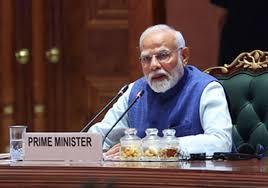
On September 17, 2025, Prime Minister Narendra Modi will inaugurate the Swasth Nari Sashakt Parivar Abhiyaan, a landmark public health initiative aimed at strengthening healthcare for women and children across India through 75,000 health camps and nutrition-focused events at Anganwadis, marking a significant step toward inclusive and accessible healthcare for all.
Key Findings and Developments
Central to the Abhiyaan is the organization of 75,000 health camps at Ayushman Arogya Mandirs, Community Health Centres (CHCs), and other medical facilities nationwide from September 17 to October 2, 2025. These camps will deliver free check-ups, targeted screenings, and counseling services tailored to the specific needs of women and children—two groups historically underserved in India’s health system. The outreach will also extend to rural and marginalized communities, where barriers such as cost, distance, and lack of awareness have traditionally limited access to preventive care.
Additionally, the campaign will coincide with Poshan Maah, a government-led nutritional awareness drive held at Anganwadis to combat malnutrition and promote healthy habits among families.
Expert Perspectives
Dr. Kalpana Rangarajan, public health specialist at All India Institute of Medical Sciences, states, “This campaign’s scale is unprecedented—systematic screening and counseling can catch conditions like anemia, reproductive tract infections, and malnutrition early, especially for rural women who lack regular access to these services.” She adds, “Initiatives like these make healthcare tangible for those who would otherwise slip through the cracks of our system.”
Dr. Farah Tanveer, obstetrician and gynecologist (not involved in the programme), notes, “We must ensure that these camps offer comprehensive, person-centered care—not just quick check-ups. Mental health, chronic diseases, and reproductive health deserve equal attention.”
Context and Background
India has made impressive strides in maternal and child health over the past decade—maternal mortality has dropped from 398 per 100,000 in 1998 to 99 per 100,000 in 2020. Institutional births now account for 89% of the national tally, with some states nearing 100%. However, gaps remain, especially in rural populations, where access and quality of care lag behind urban centers.
Women continue to face disproportionate rates of chronic diseases, including anemia, hypertension, and diabetes; recent data reveal 512 per 1,000 women have at least one chronic condition, while 258 per 1,000 manage two or more. Menstrual hygiene access also shows disparity, with urban rates at nearly 90% compared to 72% in rural communities. Persistent taboos and limited public health education compound these challenges.
Previous government schemes such as Janani Suraksha Yojana and Pradhan Mantri Surakshit Matritva Abhiyan have focused primarily on maternal and neonatal outcomes, leaving other women’s health needs comparatively under-addressed.
Implications for Public Health
The Swasth Nari Sashakt Parivar Abhiyaan represents a strategic pivot toward more holistic, preventive, and inclusive healthcare for women and children. By engaging private hospitals and health partners, the initiative aims to build on existing infrastructure while harnessing community participation for wider impact.
Early screening for common but underdiagnosed conditions—such as iron deficiency, gynecological disorders, and hypertension—will enable timely intervention and improved health outcomes. Nutritional counseling during Poshan Maah is poised to address malnutrition, which affects millions of Indian children and women, contributing to stunted growth and lifelong health risks.
Health professionals emphasize that for long-term change, the campaign must be paired with investments in health literacy, continuous care, and equitable resource allocation. Strengthening women’s health is foundational for empowered families and, by extension, a robust, healthy society.
Limitations and Counterarguments
While laudable in scale and scope, previous mass health campaigns have struggled with sustainability, follow-up care, and adequate documentation—potential issues for this initiative as well. Experts caution against viewing short-term interventions as comprehensive solutions; chronic conditions require ongoing care and support, not just a one-time camp visit.
Concerns about infrastructure disparities, staff shortages, and lack of targeted mental health resources persist. Representation remains skewed, with marginalized groups and gender-nonconforming populations often overlooked.
Practical Implications for Readers
For women and families, the Abhiyaan offers a valuable opportunity for free screenings and access to crucial information. Citizens are encouraged to attend camps at local Ayushman Arogya Mandirs, CHCs, and participating private hospitals between September 17 and October 2. The services, including check-ups, nutrition advice, and counseling, could help identify hidden health risks and connect people to longer-term resources. Staying informed about one’s health, particularly for women and children, can yield lifelong benefits—and national campaigns like this can be a springboard for healthier habits and greater empowerment.
Medical Disclaimer
Medical Disclaimer: This article is for informational purposes only and should not be considered medical advice. Always consult with qualified healthcare professionals before making any health-related decisions or changes to your treatment plan. The information presented here is based on current research and expert opinions, which may evolve as new evidence emerges.
References