 0
0
 0
0
New Delhi, April 19 — On the occasion of World Liver Day, Prime Minister Narendra Modi called on citizens to adopt mindful eating habits and embrace healthier lifestyles to combat rising health challenges, including obesity and liver disease.
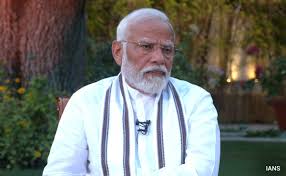
Responding to a social media post by Union Health Minister J.P. Nadda on X (formerly Twitter), PM Modi emphasized the power of small, consistent steps in improving public health. “Commendable effort to mark #WorldLiverDay with a call for mindful eating and healthier living. Small steps like reducing oil intake can make a big difference. Together, let’s build a fitter, healthier India by raising awareness about obesity,” he posted.
Health Minister Nadda had earlier urged the public to take a pledge to reduce their edible oil consumption by at least 10%, underlining the growing concerns about obesity and liver-related health issues. “Small changes can lead to big results when we treat food as medicine,” he said, echoing the Prime Minister’s sentiments.
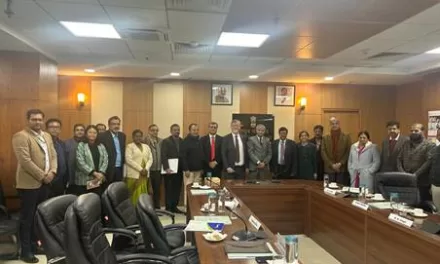
Union Home Minister Amit Shah also participated in World Liver Day events, sharing his personal journey of weight loss at the Institute of Liver and Biliary Sciences (ILBS) in Delhi. Shah credited his transformation since 2019 to disciplined lifestyle choices, including regular exercise, adequate sleep, clean water, and healthy food.
“I have become free from all allopathic medicines in the last 4.5 years,” Shah noted, encouraging youth to devote at least two hours daily to physical activity and ensure six hours of quality sleep.
During the event, Shah inaugurated an Integrated Liver Rehabilitation Centre at ILBS and highlighted the crucial role of corporate support in raising awareness about liver health. He also visited a cartoon exhibition at the institute themed around liver wellness.
Medical experts at the event raised alarms about the rising prevalence of Nonalcoholic Fatty Liver Disease (NAFLD) in India, particularly among young adults. According to Mahajan Imaging & Labs, recent data reveals that 35% of adults under 45 undergoing ultrasound scans show signs of fatty liver.
NAFLD is a condition marked by the accumulation of fat in the liver of individuals who consume little to no alcohol. Though often asymptomatic initially, it can progress to inflammation, fibrosis, cirrhosis, and even liver cancer if left untreated.
Dr. Harsh Mahajan, Founder and Chairman of Mahajan Imaging & Labs, warned that early-stage NAFLD is often silent but dangerous. “Signs like persistent fatigue, unexplained weight gain, abdominal discomfort, or elevated liver enzymes should not be ignored,” he advised.
Dr. Randhir Sud, Chairman of Gastroenterology and Gastrosciences at Medanta Hospital, described fatty liver as a “pressing but under-recognised public health challenge.” He stressed the need for population-level screening and integrated liver health strategies, especially targeting young adults.
The experts agreed that sedentary lifestyles, unhealthy diets, poor sleep habits, and post-pandemic stress are key drivers of the surge in liver-related illnesses among India’s youth.
According to global estimates, NAFLD affects 32.4% of the population and its prevalence is projected to rise to 55.4% by 2040, underscoring the urgency of preventive interventions.
As India observes World Liver Day, the message from leaders and experts is clear: start with small changes today to protect your liver and secure a healthier tomorrow.
Disclaimer: The information in this article is for public awareness and educational purposes only. It is not intended as a substitute for professional medical advice, diagnosis, or treatment. Always consult a qualified healthcare provider with any questions about a medical condition.