 0
0
 0
0
Plastic waste, a ubiquitous environmental pollutant, has been identified as a significant source of endocrine-disrupting chemicals (EDCs), posing a new and serious threat to public health worldwide. Recent research highlights that plastics and their degradation products release hazardous substances that interfere with the human hormonal system, leading to reproductive issues, chronic diseases, and developmental abnormalities.
Endocrine Disruption and Health Impacts
EDCs are chemicals that disturb the body’s hormone systems by mimicking or blocking natural hormones, disrupting normal physiological functions. Plastics contain thousands of chemicals, including known EDCs such as bisphenol A (BPA), phthalates, flame retardants, UV stabilizers, and toxic metals like lead and cadmium. These substances are found in everyday items ranging from packaging and toys to electronics and cosmetics.
Exposure to these chemicals has been linked to a wide array of health problems, including infertility, diabetes, cancers (such as breast and prostate), thyroid disorders, neurodevelopmental impairments in children, and cardiovascular diseases. Vulnerable populations, particularly pregnant women and children, face heightened risks, with evidence showing impacts on fetal development, birth outcomes, and long-term health.
Microplastics and Nanoplastics: A Hidden Danger
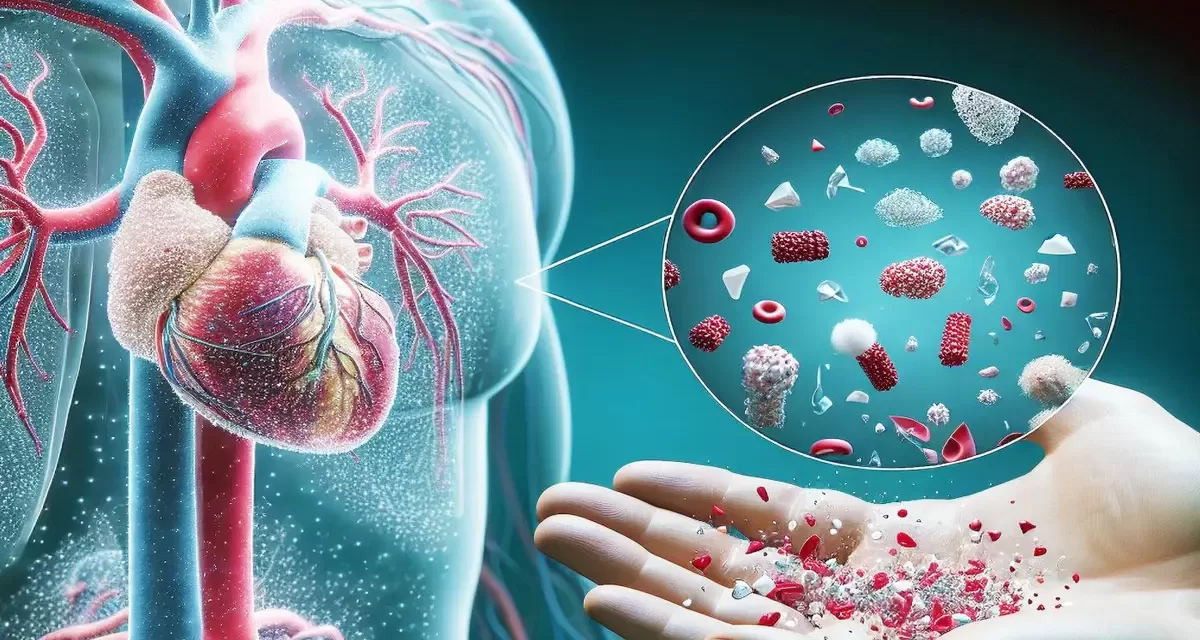
Microplastics (MPs) and nanoplastics (NPs), tiny plastic particles resulting from the breakdown of larger plastic debris, further exacerbate the problem. These particles not only carry EDCs but can also penetrate biological barriers, including the blood-brain barrier, delivering toxic chemicals directly to critical endocrine organs such as the thyroid, testes, and ovaries. Studies in mammals demonstrate that MPs and NPs disrupt hormone regulation pathways, causing oxidative stress, reproductive toxicity, neurotoxicity, and developmental abnormalities.
For example, thyroid function is particularly vulnerable; exposure to plastic-associated chemicals can impair the synthesis and metabolism of thyroid hormones, essential for brain development and metabolism. Phthalates and BPA have been shown to interfere with thyroid hormone receptors and gene expression, leading to subclinical thyroid diseases and metabolic disorders.
Environmental and Social Dimensions
The health risks from EDCs in plastics are compounded by environmental pollution throughout the plastic lifecycle—from extraction and production to disposal and incineration. Communities in the global south often bear the brunt of plastic waste imports, facing disproportionate exposure to toxic chemicals, raising concerns of environmental injustice and human rights violations.
Calls for Global Action
Experts and policymakers emphasize the urgent need for comprehensive global policies to reduce plastic production, eliminate hazardous additives, and manage plastic waste safely. The Swiss government has proposed listing certain plastic additives, like UV stabilizer UV-328, under the Stockholm Convention to control their use internationally. With plastic production projected to increase by up to 36% in the next six years, unchecked growth threatens to escalate EDC exposure and associated health burdens worldwide.
Disclaimer: This article is based on current scientific research and reports available as of mid-2025. While the evidence strongly indicates significant health risks from endocrine disruptors in plastics, ongoing studies continue to refine our understanding of exposure levels and long-term effects. Readers are advised to consult health professionals and follow public health guidelines regarding plastic use and exposure.