 0
0
 0
0
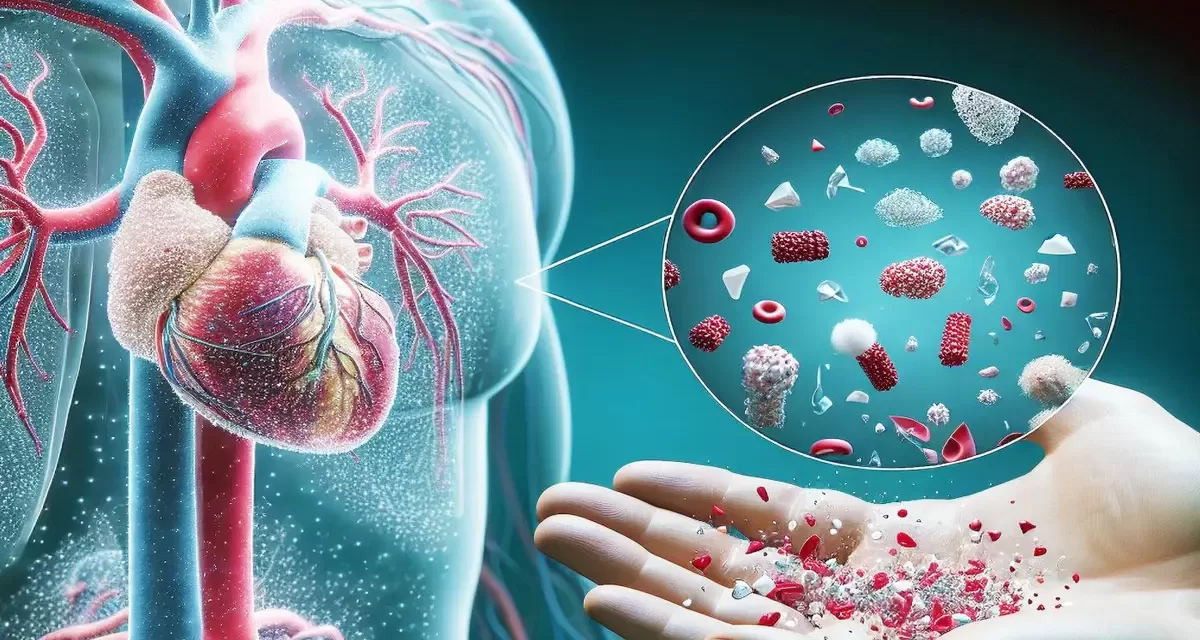
A growing body of research is uncovering an unsettling truth about the air we breathe inside our homes and offices: indoor air is increasingly contaminated with microscopic plastic dust, often making it more polluted than the air outdoors. Recent studies highlighted by Earth.com reveal that tiny plastic particles pervade most indoor environments, raising critical health concerns for the millions of people who spend the majority of their time inside buildings.
Tiny Invisible Pollutants in Our Homes
The issue stems from the widespread use of synthetic materials—such as carpets, furniture, electronics, and even clothing—which steadily shed minuscule threads and fragments. These plastic dust particles are so fine that we inhale them daily, often without realizing it. Over time, this consistent exposure may introduce serious health risks, as plastics can carry toxic additives and have been linked to respiratory and other health issues.
Indoors: A Hidden Hotspot for Pollution
It’s a common misconception that pollution is predominantly an outdoor problem; however, new evidence shows that the air inside built environments can contain much higher concentrations of these ultrafine plastic particles. Factors such as poor ventilation, high usage of synthetic products, and limited air circulation can exacerbate the buildup of indoor plastic dust, making the air inside more polluted than that of even busy city streets.
Health Risks and Call to Action
Researchers warn that the inhalation of plastic dust is a largely ignored pathway through which microplastics enter the human body. While the long-term implications for health remain under investigation, scientists urge governments and households to take the threat seriously by promoting better ventilation and seeking alternatives to synthetic materials.
Maintaining indoor air quality is now recognized as one of the main environmental challenges of our era, with experts calling for urgent measures to reduce plastic pollution at the source as well as within our own homes.
Disclaimer: This article is based on recent reports and scientific observations. Research on the health impacts of inhaling microplastics and plastic dust is ongoing, and conclusions may evolve as new evidence emerges. For the most current information and health guidance, consult trusted scientific sources and public health authorities.