 0
0
 0
0
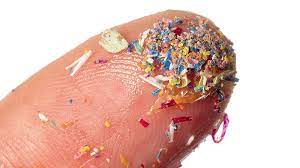
A recent pilot study has raised concerns about the potential introduction of microplastics into human saliva through the act of chewing gum. The study, highlighted on eMediNexus, suggests that chewing gum may be a previously overlooked source of microplastic ingestion, which could have implications for health and environmental safety.
Key Findings of the Study
Researchers conducted preliminary investigations to detect the presence of microplastics in saliva samples collected from individuals after chewing gum. The findings indicated that microplastic particles were indeed present in the saliva post-chewing, pointing to the possibility that chewing gum could contribute to microplastic exposure in humans.
Microplastics are tiny plastic particles less than 5 millimeters in size, known to be pervasive in the environment and increasingly detected in food, water, and air. Their potential health effects are still under scientific scrutiny, but concerns include inflammation, toxicity, and disruption of biological processes.
Implications for Public Health
The identification of chewing gum as a source of microplastics is significant because gum is widely consumed globally, often multiple times a day by individuals of all ages. This discovery prompts further research into the materials used in gum production and their safety, as well as the broader impact of microplastics on human health.
Experts suggest that consumers should be aware of the possible risks and that manufacturers may need to explore alternative ingredients or production methods to reduce microplastic contamination.
What’s Next?
Given that this is a pilot study, the sample size and scope were limited. Researchers advocate for more extensive studies to confirm these findings, understand the mechanisms of microplastic release during chewing, and evaluate the long-term health consequences.
Conclusion
This emerging evidence adds to the growing body of research on microplastic pollution and its infiltration into the human body. As awareness increases, it may drive innovation in product formulation and regulatory policies aimed at minimizing microplastic exposure.
Disclaimer: This article is based on preliminary research and is intended for informational purposes only. The findings of the pilot study require further validation through larger-scale studies. Readers are advised to consult healthcare professionals for personalized advice and not to make health decisions solely based on this report.
Citations: