 0
0
 0
0
March 1, 2026
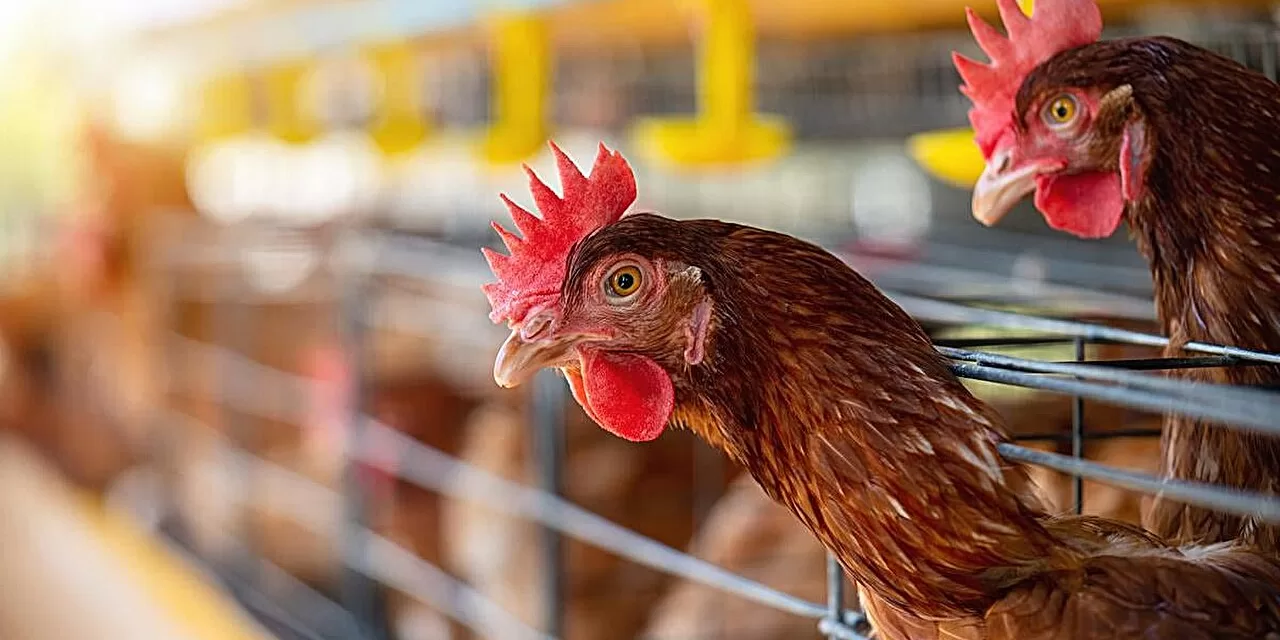
HARRISBURG, PA — A devastating resurgence of Highly Pathogenic Avian Influenza (HPAI) has decimated poultry populations across Pennsylvania over the last thirty days, leading to the culling of 7.4 million chickens and prompting Governor Josh Shapiro to declare a state of emergency. The outbreak, concentrated heavily in the agricultural hub of Lancaster County, represents one of the most aggressive spikes in the four-year U.S. bird flu epidemic. Driven by an unusual winter migration pattern and extreme cold, the virus has once again bridged the gap between wild birds and commercial operations, raising immediate concerns regarding egg price volatility and the persistent, albeit low, risk to public health.
A Winter Surge: The Lancaster County Epicenter
The current crisis began in late January 2024, but accelerated rapidly throughout February 2026. According to the U.S. Department of Agriculture (USDA), the H5N1 strain—specifically the clade 2.3.4.4b variant—has infiltrated massive commercial “egg-layer” facilities. Two sites in Lancaster County alone accounted for the loss of 4 million birds, with additional detections at turkey and broiler farms.
State officials attribute the “dramatically earlier” arrival of the virus to record-breaking cold temperatures. Frozen water sources in the north have forced wild snow geese and other waterfowl to migrate prematurely or seek food closer to human-managed environments.
“The hypothesis is that wild birds were searching for food sources and might have approached farms more closely than usual,” explained Dr. Megan Lighty, a veterinarian at Penn State University. “If the situation is this dire now, once spring migration begins in earnest, my instinct tells me it’s likely to worsen.”
The Economic Ripple Effect: Eggs and Chains
Pennsylvania is the nation’s fourth-largest egg producer, and a loss of this magnitude—nearly 10% of the state’s flock in a single month—is expected to reverberate through grocery aisles.
-
Historical Context: In 2025, similar outbreaks saw egg prices peak at $7–$8 per dozen.
-
Current Standing: While prices had stabilized at roughly $2.99 per dozen in late 2025, market analysts warn that the removal of 7.4 million producing hens could trigger short-term price spikes and localized shortages.
-
Safety Assurance: Agriculture Secretary Russell Redding emphasized that the food supply remains safe. Per federal protocol, all birds in an infected flock are humanely culled and do not enter the food chain.
Public Health: Monitoring the Human-Animal Interface
Since the wider U.S. outbreak began in 2022, the virus has expanded its reach beyond birds to include dairy cattle and various mammals. Nationally, 71 human cases have been confirmed since 2024, though the majority of these infections occurred in farm workers with direct, prolonged exposure to infected animals.
Is the Public at Risk?
The Centers for Disease Control and Prevention (CDC) continues to rate the general public health risk as low. To date, there has been no evidence of sustained human-to-human transmission. Most human cases reported have been mild, characterized by conjunctivitis (pink eye) or upper respiratory symptoms, though they required antiviral treatment.
“Without strategic and coordinated surveillance, the risks of a human transmissible H5N1 virus will steadily rise,” warns Dr. Jeremy Rossman, a virologist at the University of Kent. He notes that while the virus is not currently a pandemic threat to humans, its continued circulation in diverse hosts provides more opportunities for the virus to adapt.
Guidelines for Consumers and Workers
Health authorities are urging “vigilance without panic.” For the average consumer, the risks are negligible if standard food safety practices are followed.
For Consumers:
-
Cook Thoroughly: Ensure poultry and eggs are cooked to an internal temperature of 165°F (74°C). This temperature effectively kills the H5N1 virus.
-
Avoid Raw Products: Steer clear of unpasteurized (raw) milk or undercooked eggs, as pasteurization is the primary defense against the virus in dairy.
-
Distance from Wildlife: Do not handle sick or dead wild birds. Report sightings to local wildlife agencies.
For Farm Workers:
The CDC recommends the use of Personal Protective Equipment (PPE), including N95 respirators, eye protection, and gloves, when handling birds or cleaning facilities in affected regions.
Limitations in Response and Future Outlook
Despite the rapid response in Pennsylvania, challenges remain. Federal budget shifts have led to variable state-level surveillance, which some experts worry could mask the true extent of the spread in wild populations. Additionally, the “cold weather hypothesis”—that freezing temperatures drove birds toward farms—remains a working theory that highlights the unpredictability of zoonotic diseases in a changing climate.
As Pennsylvania enters the traditional spring migration window, the Department of Agriculture has expanded testing and biosecurity audits. The goal is to prevent a repeat of the 2022–2023 season, which saw the loss of nearly 200 million birds nationwide.
“This is a marathon, not a sprint,” said Chris Herr of PennAg. “The biology of the virus is changing, and our farming practices must evolve alongside it to protect both the birds and the people who care for them.”
Medical Disclaimer
This article is for informational purposes only and should not be considered medical advice. Always consult with qualified healthcare professionals before making any health-related decisions or changes to your treatment plan. The information presented here is based on current research and expert opinions, which may evolve as new evidence emerges.
References
Statistical Sources:
-
Reuters. (2026, February 27). Bird flu devastates 7.4 million Pennsylvania chickens in a month.