 0
0
 0
0
– Hormonal imbalances are among the most common health concerns for women today, and two terms that frequently arise in this context are PCOD (Polycystic Ovarian Disease) and PCOS (Polycystic Ovarian Syndrome). While often used interchangeably, medical experts stress that these conditions are distinct, differing in severity, causes, and long-term implications.
-
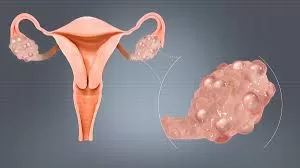
: PCOD is primarily a lifestyle-related condition in which the ovaries produce immature or partially mature eggs. Over time, these eggs may develop into cysts.
-
: Common signs include irregular periods, mild weight gain, and hormonal imbalances.
-
: PCOD is generally considered manageable. Key strategies include:
-
Adopting a balanced diet
-
Engaging in regular physical activity
-
Practicing stress reduction techniques
-
-
: PCOS is a more serious metabolic and endocrine disorder. It causes the ovaries to produce excessive amounts of male hormones (androgens).
-
: PCOS can result in:
-
Missed or delayed ovulation
-
Multiple ovarian cysts
-
Acne and excessive hair growth
-
Infertility
-
-
: Over time, PCOS increases the likelihood of developing diabetes, obesity, and heart conditions. It can also disrupt mental well-being and metabolic functions.
-
: Women with PCOS often require:
-
Hormone therapy
-
Insulin-sensitizing medications
-
Continuous medical monitoring
-
| Aspect | PCOD | PCOS |
|---|---|---|
| Nature | Lifestyle-related | Metabolic and endocrine disorder |
| Severity | Less severe, manageable | More severe, long-term complications |
| Symptoms | Irregular periods, mild weight gain | Irregular cycles, acne, infertility |
| Treatment | Lifestyle changes | Medical therapy, ongoing monitoring |
| Long-term risks | Generally lower | Higher risk of diabetes, heart disease |
-
Both PCOD and PCOS share some symptoms, such as irregular menstrual cycles and hormonal fluctuations.
-
The approach to treatment and expected outcomes differ significantly.
-
Persistent symptoms should not be ignored. Early medical consultation is crucial.
-
If neglected, both conditions can impact fertility and overall health. However, with timely intervention, many women can lead healthy lives and have successful pregnancies.
-
: Understanding the differences between PCOD and PCOS is the first step.
-
: Early detection leads to better management.
-
: Healthy eating, exercise, and stress management are vital.
-
: Seek professional advice if symptoms persist.
Disclaimer: This article is for informational purposes only and should not be considered a substitute for professional medical advice, diagnosis, or treatment. Always consult a qualified healthcare provider with any questions regarding a medical condition.