 0
0
 0
0
MEERUT, INDIA — A grave lapse in clinical safety protocols at the Lala Lajpat Rai Memorial (LLRM) Medical College has led to the immediate termination of a hospital staff member after a pediatric patient was nearly administered a volatile chemical instead of prescribed medication. The incident, which occurred earlier this week, has ignited a nationwide conversation regarding hospital oversight, staff training, and the critical importance of bedside vigilance in acute care settings.
The incident unfolded in the pediatric ward of the state-run facility when a ward boy, tasked with preparing a nebulizer treatment for a young child, allegedly filled the device’s medicine chamber with surgical spirit (denatured alcohol) instead of the required saline or bronchodilator. The error was caught by the child’s alert family members before the mask was placed on the patient, preventing what medical experts say could have resulted in severe respiratory distress or chemical burns to the lungs.
Following an internal investigation, LLRM Medical College Principal, Dr. R.C. Gupta, confirmed the termination of the contractual employee involved. “Patient safety is our non-negotiable priority,” the administration stated in a brief to local media. “Negligence of this magnitude, which puts a life at risk, warrants the strictest possible administrative action.”
The Mechanics of the Mistake: How Spirit Entered the Nebulizer
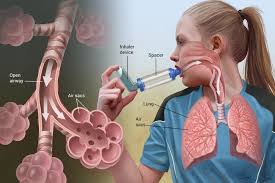
Nebulizers are common medical devices used to turn liquid medication into a fine mist that patients inhale directly into their lungs. They are frequently used to treat asthma, pneumonia, and other respiratory distress in children.
According to preliminary reports, the ward boy—who was not a licensed nurse or doctor—was assisting with clinical tasks when the mix-up occurred. Surgical spirit, commonly used for disinfecting skin or surfaces, is often stored in clear containers similar to those used for medical liquids.
“This is a classic ‘look-alike, sound-alike’ error, but on a much more dangerous scale,” says Dr. Aranya Sen, a consultant pulmonologist not affiliated with the case. “Surgical spirit contains high concentrations of ethanol or isopropyl alcohol. If inhaled via a nebulizer, it can cause immediate inflammation of the airways, bronchospasms, and in severe cases, pulmonary edema. In a child, whose airways are smaller and more reactive, the results could have been fatal.”
Systemic Failures and Training Gaps
While the individual staff member has been terminated, the incident has drawn sharp criticism from health advocates regarding the “task-shifting” often seen in overburdened public hospitals. In many facilities, non-clinical staff (ward boys or attendants) are frequently seen performing duties that should, by protocol, be reserved for trained nursing staff.
“The termination of a low-level staffer is a reactive measure, but the proactive question is: why was a ward boy handling medication or medical devices in the first place?” asks Sarah Jenkins, a patient safety advocate with 20 years of experience in hospital administration. “Standard operating procedures (SOPs) mandate that medication preparation must be performed by a registered nurse or a pharmacist, often with a second person to verify the dose.”
The LLRM incident highlights several critical failures in hospital safety:
-
Storage Protocols: Failure to segregate hazardous chemicals from bedside medications.
-
Scope of Practice: Non-medical staff performing clinical interventions.
-
Supervision: Lack of oversight by senior nursing staff on duty during the shift.
Statistical Context: The Global Burden of Medical Errors
Medical errors are a leading cause of death and injury worldwide. According to the World Health Organization (WHO), as many as 4 out of 10 patients are harmed in primary and ambulatory care settings globally. The most detrimental errors are related to diagnosis, prescription, and the administration of medicines.
In India, where the patient-to-nurse ratio often exceeds the recommended limits, the risk of “fatigue-induced error” rises significantly. Statistics from the National Accreditation Board for Hospitals & Healthcare Providers (NABH) suggest that strictly following “The Five Rights” of medication administration—Right Patient, Right Drug, Right Dose, Right Route, and Right Time—could reduce such incidents by over 80%.
Expert Perspective: The Role of the Family
In this specific case, the disaster was averted not by hospital systems, but by the watchful eyes of the child’s parents.
“We often tell families that they are the final ‘safety net’ in the hospital,” says Dr. Sen. “If a liquid looks different, smells different (like the pungent odor of spirit), or if the person administering it seems unsure, parents must speak up immediately. This family likely saved their child’s life by questioning the procedure.”
Public Health Implications and Moving Forward
The Meerut incident serves as a wake-up call for medical institutions to reinforce stringent “Safety First” cultures. Following the termination, LLRM Medical College has reportedly initiated a review of its departmental SOPs and has issued warnings to senior staff regarding the delegation of clinical duties to unauthorized personnel.
For the general public, this story underscores the need for “health literacy” and active participation in one’s own care. Experts suggest that patients and guardians should:
-
Ask for the Name of the Medication: Always confirm what is being put into a nebulizer or IV.
-
Verify the Practitioner: Ensure that the person administering a treatment is a qualified nurse or doctor.
-
Report Anomalies: If a medication has a strong chemical smell or if a container is unlabeled, halt the procedure until a senior doctor verifies the substance.
As the child in Meerut recovers from the psychological trauma of the event, the medical community continues to grapple with the balance between high patient volumes and the uncompromising need for safety.
Medical Disclaimer: This article is for informational purposes only and should not be considered medical advice. Always consult with qualified healthcare professionals before making any health-related decisions or changes to your treatment plan. The information presented here is based on current research and expert opinions, which may evolve as new evidence emerges.
References and Sources
Primary News Source:
-
Medical Dialogues Bureau. (2024, December). LLRM Medical College ward boy terminated for filling spirit in child’s nebuliser. Medical Dialogues. https://medicaldialogues.in/news/health/hospital-diagnostics/llrm-medical-college-ward-boy-terminated-for-filling-spirit-in-childs-nebuliser-161225