 0
0
 0
0
Sunday, December 7, 2025
LONDON — During the height of the COVID-19 pandemic, thousands of families across the United Kingdom welcomed puppies into their homes, hoping the furry additions would alleviate the emotional toll of lockdowns and social isolation. A major new study released this autumn by the Royal Veterinary College (RVC), however, reveals a complex reality: while “pandemic puppies” brought comfort and companionship to children, they also introduced significant safety risks and placed a disproportionate mental burden on mothers.
Published in the journal PLOS ONE, the research provides one of the first comprehensive looks at how these impulsive pet acquisitions affected family dynamics and child mental health in the years following the pandemic.
The Promise vs. The Reality
The study, titled “More than just one man and his dog,” surveyed 382 caregivers and 216 children (aged 8–17) in households that acquired a puppy during the pandemic. The findings challenge the popular narrative that a new pet is a guaranteed mental health cure-all.
Researchers found that while families were motivated by the desire to improve mental well-being, the results were often mixed. For children, the dogs frequently served as playmates and confidants, helping them cope with loneliness and anxiety. However, for the adults—specifically mothers—the experience was often far more taxing than anticipated.
“Bringing a new puppy into the family is often seen as a source of joy, companionship, and fun, but behind the excitement lies a great deal of unseen work,” said Dr. Zoe Belshaw, a co-author of the study and researcher at the RVC.
The “Hidden Labor” on Mothers
One of the study’s most striking statistics is the gender imbalance in pet care. The data revealed that 95% of the primary caregivers for these new pets were women.
Many of these mothers reported feeling overwhelmed by the “double burden” of managing their family’s needs alongside the demanding requirements of raising a puppy. The study describes this as a form of “hidden labor,” where the mental load of ensuring the dog’s well-being—and the family’s safety—fell almost exclusively on women, often aged 45–54.
“Mothers involved in our research described feeling overwhelmed trying to juggle the competing needs of their dog and their family,” Dr. Belshaw noted. “This workload represents a significant and previously overlooked form of hidden women’s labor.”
Safety Concerns: A Silent Risk
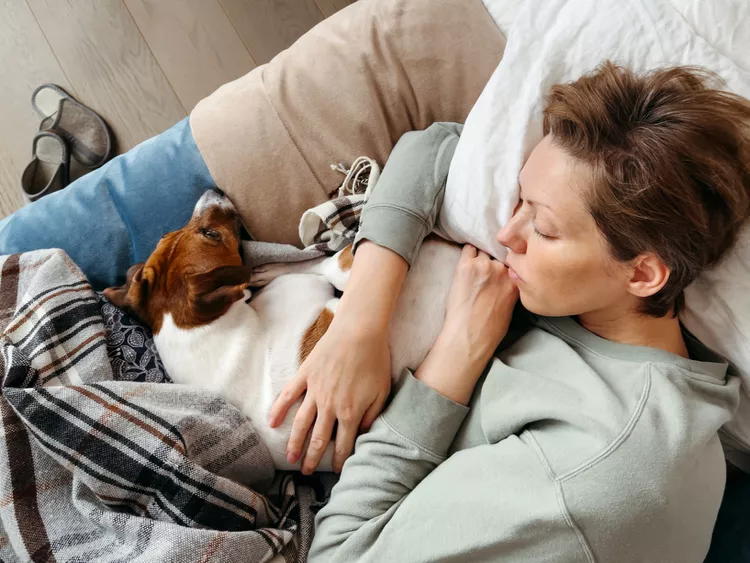
While children reported strong bonds with their pets, the nature of these interactions raised alarm bells for veterinary behaviorists. The study highlighted that nearly all children surveyed were permitted to interact with dogs in ways known to increase the risk of dog bites.
Common risky behaviors included:
-
Hugging and kissing the dog (reported in over 90% of families)
-
Disturbing the dog while sleeping or eating
-
Rough play
Dr. Rowena Packer, Lecturer in Companion Animal Behaviour and Welfare Science at the RVC and lead author of the study, emphasized the danger of misinterpreting a dog’s tolerance for affection.
“Our study shows that young children often interact with dogs in ways that can increase the risk of bites, such as hugging or cuddling them,” Dr. Packer explained. “Children are especially likely to approach their dogs for comfort when they feel upset, bored, or lonely… In these moments, dogs may react defensively, sometimes by snapping or biting to try and escape the situation.”
Broader Perspectives on the “Pet Effect”
The findings contribute to a growing body of evidence questioning the universality of the “pet effect”—the theory that pet ownership automatically leads to better health and happiness.
Dr. Ádám Miklósi, head of the Department of Ethology at Eötvös Loránd University in Hungary, who has conducted separate research on pandemic pet ownership, suggests that the benefits of pet ownership are often romanticized. His recent work, published in Scientific Reports earlier this year, found that for many, the stress of ownership can outweigh the emotional rewards, particularly when the decision to get a pet is impulsive.
“It appears that, at least during stressful periods, the average person… is not significantly affected by the pet’s loss, nor is their well-being a strong predictor of the decision to acquire one,” Miklósi noted in a statement regarding his team’s findings on the limitations of the pet-human bond during the crisis. This aligns with the RVC findings that first-time owners found the experience significantly harder than they expected.
Implications for Families
For families considering a dog, or those already living with one, the message from experts is clear: realistic expectations and safety education are vital.
“We encourage parents and caregivers to learn about safe dog–child interactions, set clear boundaries with their children, and closely monitor their interactions with dogs to protect both children and pets,” advised Dr. Packer.
Key Recommendations for Parents:
-
Supervise actively: Never leave young children alone with a dog, even a friendly one.
-
Teach “Dog Language”: Educate children that a dog turning away, licking its lips, or showing the whites of its eyes may be stressed, not happy.
-
Respect Boundaries: Establish rules against disturbing a dog that is sleeping, eating, or in its crate.
-
Share the Load: Discuss and divide pet care responsibilities to prevent burnout for a single family member.
As the “pandemic puppies” mature into adult dogs, understanding these dynamics is crucial for ensuring that the human-animal bond remains a source of health and happiness, rather than stress and injury.
Medical Disclaimer
Medical Disclaimer: This article is for informational purposes only and should not be considered medical advice. Always consult with qualified healthcare professionals before making any health-related decisions or changes to your treatment plan. The information presented here is based on current research and expert opinions, which may evolve as new evidence emerges.
References
-
Primary Study: Belshaw, Z., Brand, C. L., O’Neill, D. G., & Packer, R. M. A. (2025). “More than just one man and his dog: The many impacts of puppy acquisition on the mental health of families including children in the UK.” PLOS ONE, 20(9): e0331179. https://doi.org/10.1371/journal.pone.0331179