 0
0
 0
0
Published: January 19, 2026
ISLAMABAD — Health authorities in Pakistan are launching a massive, nationwide immunization campaign following the detection of poliovirus in sewage samples across 40 districts. The Regional Reference Laboratory for Polio Eradication at the National Institute of Health (NIH) confirmed this week that nearly one-third of environmental samples collected in December 2025 tested positive for the virus. While the findings underscore the persistent threat of the disease, officials noted a significant year-over-year decline in clinical cases, signaling that aggressive surveillance and vaccination efforts are beginning to narrow the virus’s footprint.
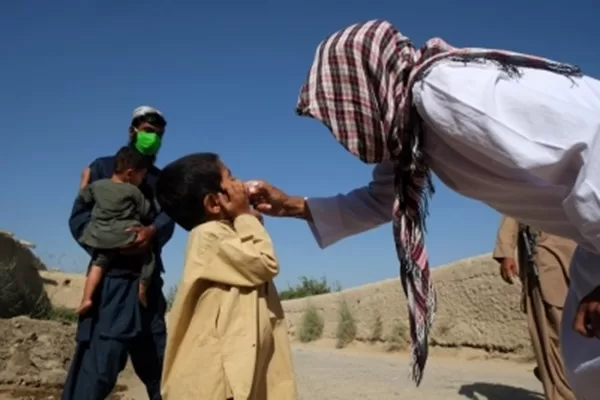
The Pakistan Polio Eradication Program reported that out of 127 environmental samples taken from 87 districts, 40 returned positive results. In response, the government has announced a high-stakes vaccination drive scheduled for February 2–8, 2026, with the ambitious goal of reaching more than 45 million children under the age of five.
Understanding the “Environmental Signal”
In the world of epidemiology, testing sewage is akin to an early warning system. Because poliovirus is shed in the feces of infected individuals—even those who show no symptoms—its presence in wastewater indicates that the virus is circulating within a community.
“Environmental detection is a double-edged sword,” says Dr. Arshad Mahmood, an independent infectious disease specialist not involved in the NIH report. “On one hand, it tells us the virus is still living among us. On the other hand, the fact that we are catching it in the sewers before it paralyzes a child shows that our surveillance net is incredibly tight. It allows us to deploy vaccines to the exact neighborhoods where the risk is highest.”
A Year of Progress Amid Persistent Risk
The 2025 data offers a glimmer of hope for a country that, along with neighboring Afghanistan, remains one of the last two nations where wild poliovirus type 1 (WPV1) is endemic.
According to official program data:
-
2024: 74 clinical polio cases reported.
-
2025: 31 clinical polio cases reported.
This 58% reduction in paralyzed cases is a significant milestone. However, the 40 positive sewage samples collected in December serve as a stark reminder that the “silent” spread of the virus remains a threat to every unvaccinated or under-vaccinated child.
The Challenge of Global Eradication
Polio is a highly infectious viral disease that largely affects children under five. It invades the nervous system and can cause total paralysis in a matter of hours. While there is no cure, the disease is entirely preventable through the Oral Polio Vaccine (OPV) or the Inactivated Polio Vaccine (IPV).
The challenge in Pakistan has historically been multifaceted, involving geographical hurdles in remote regions, temporary disruptions due to extreme weather, and occasional vaccine hesitancy fueled by misinformation.
“The decline from 74 cases to 31 is commendable, but in polio eradication, zero is the only number that matters,” says Sarah Williams, a public health consultant specializing in global immunization strategies. “As long as the virus is detected in the water supply, the risk of an outbreak remains. The upcoming February campaign is not just a routine measure; it is a critical firebreak to stop the virus from jumping from the water into the population.”
What This Means for Families
For parents and caregivers, the detection of the virus in 40 districts means that the window for protection is now. The virus typically spreads through the fecal-oral route—often through contaminated water or food. In areas with poor sanitation, the risk is magnified.
Key Actions for Health-Conscious Consumers:
-
Accept the Drops: Ensure every child under five receives the OPV during the Feb. 2–8 campaign, regardless of previous vaccination status. Multiple doses are necessary to build full immunity.
-
Verify Routine Schedules: Check that infants are up to date on their routine immunizations, including the injectable IPV.
-
Hygiene Matters: While the vaccine is the primary defense, maintaining rigorous handwashing habits can reduce the general spread of enteric (intestinal) viruses.
Counterarguments and Limitations
Despite the progress, some experts express concern over “surveillance fatigue.” Critics of the current strategy point out that heavy reliance on environmental sampling can sometimes lead to reactive rather than proactive measures. Furthermore, while the decline in cases is real, the wide geographical spread of the December positive samples (40 districts) suggests that the virus is not yet “cornered” in a single province.
There is also the ongoing challenge of “missed children” in mobile populations and high-risk border areas. Eradication requires nearly 100% coverage; even a small cluster of unvaccinated children can act as a reservoir for the virus to mutate and persist.
The Road to February
The upcoming February 2026 campaign will involve hundreds of thousands of “polio workers”—the frontline heroes who go door-to-door, often in challenging conditions. The success of this drive will likely determine whether Pakistan can maintain its downward trend in cases through the high-transmission season of 2026.
Public health officials emphasize that the vaccine is safe, effective, and has been used to eradicate polio in nearly every other country on Earth. As the samples from December show, the virus is still looking for a host; the goal of the February drive is to ensure it doesn’t find one.
Reference Section
- https://english.news.cn/20260118/5dec78742388431e913048200cf0cbb7/c.html
Medical Disclaimer: This article is for informational purposes only and should not be considered medical advice. Always consult with qualified healthcare professionals before making any health-related decisions or changes to your treatment plan. The information presented here is based on current research and expert opinions, which may evolve as new evidence emerges.