 0
0
 0
0
Pakistan has confirmed two new cases of poliovirus in the southern Sindh province, bringing the total number of polio cases in the country to 29 for the year 2025. These recent detections, both in young girls from the Badin and Thatta districts, highlight ongoing challenges in Pakistan’s fight to eradicate polio despite multiple immunization campaigns conducted this year.
Key Developments and Current Situation
The latest cases were confirmed by the Regional Reference Laboratory for Polio Eradication at the National Institute of Health (NIH) in Islamabad. Since January 2025, Pakistan has reported 29 polio cases distributed as follows: 18 cases in the northwestern Khyber Pakhtunkhwa province, 9 in southern Sindh, and one case each in Punjab and Gilgit-Baltistan regions. The recent diagnoses in Sindh represent a setback amidst ongoing public health efforts.
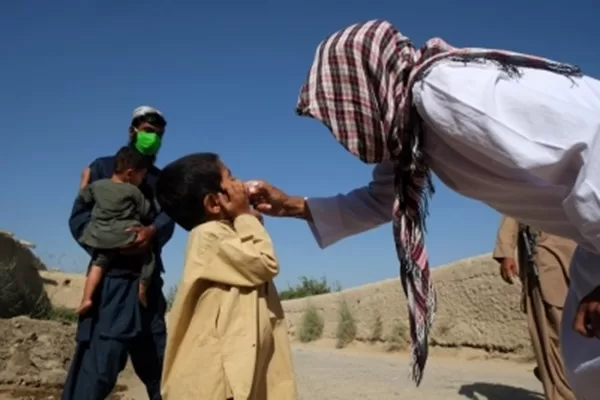
The country recently conducted a large-scale sub-national polio vaccination campaign across 88 districts, including the areas affected by the new cases. This drive reached nearly 21 million children under five years old. Another nationwide vaccination campaign is planned for October 13-19, aiming to immunize approximately 45.4 million children. During this campaign, health workers will also deliver Vitamin A supplements alongside the Oral Polio Vaccine (OPV) to enhance children’s immunity.
Context and Challenges
Pakistan, together with Afghanistan, remains one of the last two countries where the wild poliovirus (WPV1) is still endemic. The persistence of polio transmission in these regions is attributed to multifactorial challenges including vaccine hesitancy among some parents, logistic difficulties in reaching children in remote or conflict-affected areas, and security threats to vaccination teams. In recent years, there have been numerous attacks on health workers and their security personnel, resulting in tragic deaths. For example, in early 2025, a police officer protecting vaccinators in Khyber Pakhtunkhwa was killed in an attack.
Polio is a highly infectious disease caused by poliovirus that primarily affects children under five. It can lead to irreversible paralysis and even death. There is no cure for polio; prevention entirely depends on vaccination. Repeated doses of the Oral Polio Vaccine along with timely routine immunizations are essential for immunity against the virus.
Expert Perspectives
Dr. Ayesha Khan, a pediatric infectious disease specialist not involved in the Pakistan program, remarks, “Despite the global progress towards polio eradication, Pakistan’s remaining cases underscore the importance of sustained vaccination efforts coupled with community engagement to overcome fears and misinformation. Security for frontline health workers is also critical to ensure uninterrupted delivery of vaccines”.
Dr. Imran Ali, a public health expert, adds, “The administration of Vitamin A with polio vaccines not only helps improve immunity against polio but also protects children against other infections. This combined approach can be a game-changer in high-risk areas”.
Implications for Public Health
The continued detection of polio cases in Pakistan signals that the country has not yet halted transmission of the wild virus. Without vaccination, children remain vulnerable to paralyzing disease with lifelong disability implications. Achieving high immunization coverage in all regions, including hard-to-reach and conflict-affected zones, remains the cornerstone of eradication strategies.
Moreover, the upcoming nationwide campaign in October aims to build on previous efforts by dramatically expanding the number of children vaccinated, potentially curbing polio’s spread significantly. The inclusion of Vitamin A supplementation is expected to boost overall child health outcomes.
Limitations and Counterarguments
While vaccination campaigns are crucial, the effectiveness depends on addressing vaccine hesitancy and misinformation. Some communities remain distrustful due to historical or cultural factors. Furthermore, security threats complicate access to certain regions, putting vaccination teams at risk and limiting herd immunity.
There is also a need for continuous surveillance and environmental sampling to monitor virus presence and guide targeted interventions. The recent increase in environmental detections in Pakistan signals that virus circulation persists in certain reservoirs, necessitating vigilant public health measures.
Conclusion
Pakistan’s recent confirmation of two new polio cases raises the 2025 total to 29, underscoring ongoing challenges in eradicating this crippling disease. Extensive vaccination campaigns, inclusive of Vitamin A supplementation, aim to protect millions of children. However, to realize the goal of polio eradication, Pakistan must continue to overcome barriers posed by security risks, vaccine hesitancy, and difficult-to-access areas with a concerted and multifaceted approach.
Medical Disclaimer: This article is for informational purposes only and should not be considered medical advice. Always consult with qualified healthcare professionals before making any health-related decisions or changes to your treatment plan. The information presented here is based on current research and expert opinions, which may evolve as new evidence emerges.
References