 0
0
 0
0
Pakistan has confirmed its 18th case of wild poliovirus this year, following a new detection in a 10-month-old boy from the northwestern Khyber Pakhtunkhwa (KP) province, according to a statement released Friday by the Ministry of National Health Services (NIH). The case was identified in Tank District by the Regional Reference Laboratory for Polio Eradication at the NIH in Islamabad.
This latest case brings the tally to 11 in Khyber Pakhtunkhwa alone, a region that continues to pose significant challenges for national eradication efforts. Health officials cite low vaccine uptake and operational obstacles—particularly with door-to-door immunization campaigns—as key reasons why KP remains a high-risk province.
Officials warn that the continued presence of type-1 wild poliovirus (WPV1) in southern parts of the province is a persistent threat for communities with limited access to healthcare. “Every unvaccinated child is at risk and can contribute to virus transmission,” stated a spokesperson for the National Emergency Operations Center (NEOC).
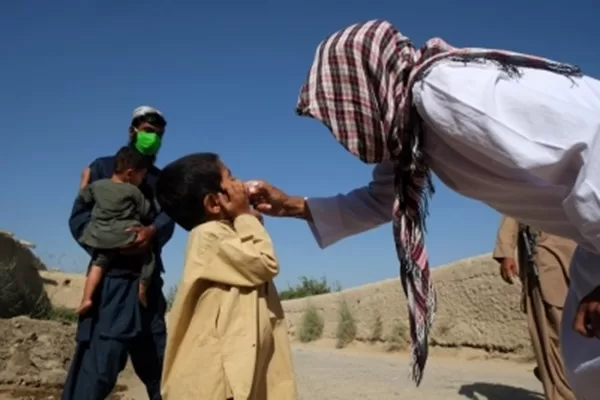
In response to the ongoing threat, Pakistan has intensified its vaccination campaigns. Since September 2024, six major campaigns have been executed, each reaching over 45 million children nationwide, according to NEOC. Authorities have also announced plans for additional nationwide and regionally targeted immunization drives scheduled between August and December 2025, with a focus on high-risk areas such as southern KP.
Pakistan and neighboring Afghanistan remain the only two countries in the world where wild poliovirus is still endemic. Health authorities continue to urge parents and caregivers to ensure that their children receive every scheduled vaccine dose and to support frontline health workers striving to reach every eligible child.
Disclaimer: This article is based on statements and data provided by the Ministry of National Health Services (NIH), the National Emergency Operations Center (NEOC), and associated health authorities as of August 2, 2025. Information is subject to change as new data emerge.