 0
0
 0
0
KARACHI — Health authorities in Pakistan confirmed on Thursday that a four-year-old child in Sindh’s Sujawal District has tested positive for wild poliovirus type 1 (WPV1), marking the country’s first reported case of 2026.
The announcement, made by the National Emergency Operations Centre (NEOC) for Polio Eradication, comes at a critical juncture for the Global Polio Eradication Initiative (GPEI). While the discovery highlights the persistent nature of the virus in its last remaining strongholds, it also underscores the intensive surveillance measures that allowed the case to be detected and isolated quickly in the Bello Union Council.
The Regional Reference Laboratory at the National Institute of Health (NIH) in Islamabad confirmed the diagnosis after the child presented with symptoms of paralysis. As of March 2026, Pakistan remains one of only two countries—alongside neighboring Afghanistan—where the wild poliovirus remains endemic.
The Persistent Threat of Paralysis
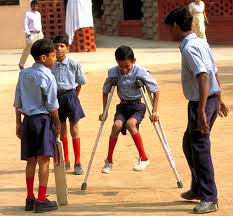
Polio, or poliomyelitis, is a highly infectious viral disease that largely affects children under five years of age. The virus invades the nervous system and can cause total paralysis in a matter of hours.
“This case is a sobering reminder that as long as the virus exists anywhere, every child is at risk,” says Dr. Elena Rodriguez, an infectious disease specialist and consultant for international health NGOs, who was not involved in the current Sindh investigation. “The tragedy of polio is that it is irreversible and incurable, yet entirely preventable through consistent vaccination.”
According to the NEOC, the Polio Eradication Initiative (PEI) is currently conducting a “best response” analysis to map out immediate vaccination rounds in Sujawal and surrounding districts to prevent further transmission.
A Decades-Long Battle: By the Numbers
The 2026 confirmation follows a year of mixed progress. In 2025, Pakistan reported 31 cases of wild polio. While this is a staggering 99.8% reduction from the estimated 20,000 annual cases seen in the early 1990s, the “final mile” of eradication has proven the most difficult.
| Year | Confirmed WPV1 Cases | Nationwide Campaigns Conducted |
| 1990s (Early) | ~20,000 (est.) | N/A |
| 2024 | 52 | 6 |
| 2025 | 31 | 5 |
| 2026 (To Date) | 1 | 1 (Next in April) |
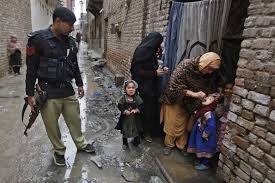
The NEOC reported that a nationwide campaign earlier this year successfully reached over 45 million children. However, the 2025 data revealed a lingering challenge: of the 45.4 million children targeted in the final campaign of last year, roughly 800,000 were missed, often due to parental refusals or security challenges in high-risk zones.
Geographical Hotspots and “Silent” Transmission
While the virus is declining nationally, circulation persists in specific “environmental clusters.” Health officials have identified districts in Sindh and southern Khyber Pakhtunkhwa as high-risk areas.
Environmental surveillance—testing sewage samples for the presence of the virus—has frequently turned up positive results in these regions even when no human cases are reported. This “silent” circulation suggests that the virus is moving through populations where immunity is just low enough to sustain the virus, but high enough to prevent frequent symptomatic paralysis.
“The virus is opportunistic,” explains Dr. Rodriguez. “It finds the gaps—the children who missed a dose due to a move, a sickness, or a family’s hesitation. Those gaps are where the virus hides.
Overcoming Barriers: Misinformation and Access
The path to a polio-free Pakistan is hindered by more than just biology. Persistent misinformation regarding the safety and intent of the vaccine continues to fuel “refusal clusters.”
In 2025, several targeted rounds of both the Oral Polio Vaccine (OPV) and the Inactivated Polio Vaccine (IPV) were integrated with routine immunization programs to bolster immunity. Despite these efforts, the PEI notes that the role of community and religious leaders is more vital than ever.
“Eradication is a collective responsibility,” the NEOC stated in its press release. “While dedicated frontline workers ensure vaccines reach every door, parents play the crucial role by accepting them.”
What This Means for the Public
For health-conscious consumers and parents, the message from the NIH and global health bodies remains steadfast: The Oral Polio Vaccine (OPV) is safe, effective, and necessary.
-
The Power of Repeated Doses: Because polio is an intestinal virus, multiple doses of the oral vaccine are required to build “mucosal immunity,” which prevents a person from spreading the virus to others.
-
Routine Immunization: Parents are urged not to rely solely on special campaigns but to ensure children complete their regular EPI (Expanded Programme on Immunization) schedules.
-
Community Hygiene: While the vaccine is the primary defense, improved water, sanitation, and hygiene (WASH) practices help reduce the environmental spread of the virus.
Looking Ahead: The April Campaign
The next nationwide push is scheduled for April 2026. This campaign will be pivotal in containing any fallout from the Sujawal case. International monitors will be watching closely to see if the refusal rates seen in late 2025 can be reduced through better community engagement.
The goal remains zero cases—a feat already achieved by every other country in the world except for the Pakistan-Afghanistan border region. As the NEOC continues its intensified efforts, the global health community remains cautiously optimistic that the 2026 tally can be kept to a minimum.
References
-
National Emergency Operations Centre (NEOC) for Polio Eradication, Pakistan. (2026, March 5). Official Press Release: First WPV1 Case of 2026 Confirmed in Sujawal.
Medical Disclaimer: This article is for informational purposes only and should not be considered medical advice. Always consult with qualified healthcare professionals before making any health-related decisions or changes to your treatment plan. The information presented here is based on current research and expert opinions, which may evolve as new evidence emerges.