 0
0
 0
0
New research from Yale University and other leading institutions suggests that people taking Ozempic (semaglutide) may experience significant changes in how their bodies handle alcohol, with both potential benefits and risks for public health.
Ozempic and Alcohol:
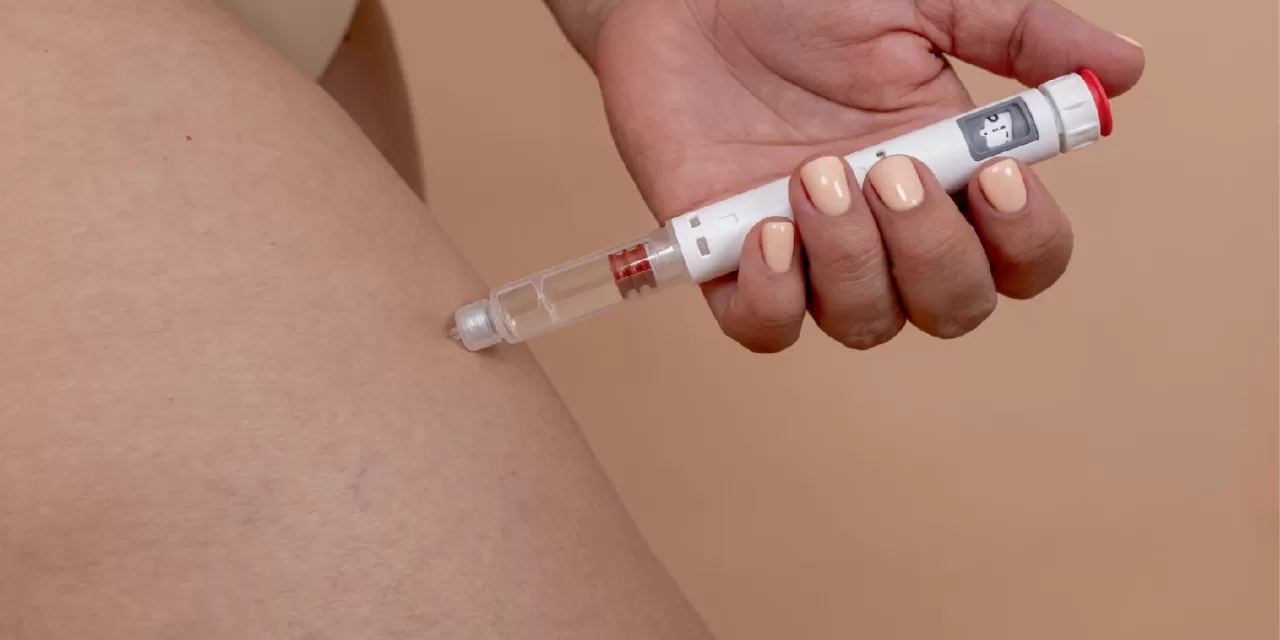
What the Science SaysOzempic, a GLP-1 receptor agonist widely prescribed for type2 diabetes and weight management, is now under scrutiny for its effects on alcohol metabolism and consumption. Recent studies, including a landmark randomized controlled trial, have found that semaglutide reduces alcohol cravings and consumption in adults, but also slows the metabolism of alcohol, leading to higher blood alcohol levels for longer periods after drinking.
In laboratory settings, participants on semaglutide showed a30% reduction in alcohol intake on drinking days and significantly lower peak breath alcohol concentrations compared to those not taking the medication. These findings are supported by both self-reported data and objective measures of alcohol consumption and intoxication.
How Ozempic Changes Alcohol Response
GLP-1 receptor agonists like semaglutide are believed to act on brain reward pathways, reducing the desire to drink and the reinforcing effects of alcohol. However, these drugs also appear to slow the rate at which alcohol is metabolized, causing blood alcohol levels to rise more slowly but remain elevated for longer.
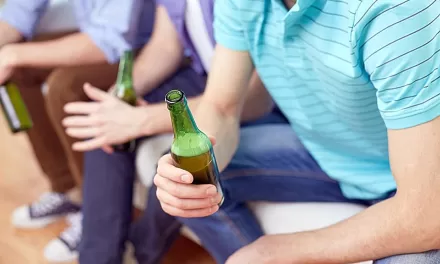
This dual effect means that while people on Ozempic may drink less and feel less craving for alcohol, they may also experience prolonged intoxication and increased risk of alcohol-related harm, especially if they consume alcohol in social settings without realizing how their body is processing it.
Expert Commentary
Dr. Corey Hendershot, lead researcher of the JAMA Network study, explains, “Semaglutide’s impact on alcohol craving and consumption is promising, particularly for those seeking to reduce heavy or binge drinking. However, the altered metabolism of alcohol is a critical consideration for patient safety”.
Dr. Erica Jerlhag, a neuroscientist at the University of Gothenburg, adds, “GLP-1 receptor agonists decrease motivation to consume alcohol and may prevent relapse drinking, but we need to be cautious about the implications for alcohol intoxication and related risks”.
Public Health ImplicationsFor individuals taking Ozempic, these findings suggest both opportunities and cautions:
-
The reduction in alcohol cravings and consumption could benefit those struggling with alcohol use disorder or heavy drinking.
-
However, the slower metabolism of alcohol means that even moderate drinking could lead to unexpectedly high blood alcohol levels, increasing the risk of accidents, impaired judgment, and other alcohol-related harms.
Healthcare providers are advised to counsel patients on the potential risks of mixing Ozempic with alcohol, especially for those with a history of pancreatitis, liver disease, or unstable blood sugar.
Limitations and CounterargumentsWhile the evidence is growing, most studies to date have been relatively small or short-term, and more research is needed to confirm these effects in diverse populations. Some experts caution that the long-term safety of combining Ozempic with alcohol is not yet fully understood, and patients should not assume that reduced cravings equate to increased safety.
Practical Advice for Patients- People taking Ozempic should consult their healthcare provider before consuming alcohol.
-
If drinking, moderation is key—follow national guidelines (e.g., NHS advice of no more than14 units per week).
-
Watch for signs of increased intoxication, nausea, vomiting, or low blood sugar, and seek medical help if symptoms arise.
References
Medical Disclaimer: This article is for informational purposes only and should not be considered medical advice. Always consult with qualified healthcare professionals before making any health-related decisions or changes to your treatment plan. The information presented here is based on current research and expert opinions, which may evolve as new evidencemerges.s.