 0
0
 0
0
In a landmark move to bolster healthcare access for India’s elderly population, the government has issued over 86.5 lakh Ayushman Vay Vandana cards within the first year of the scheme’s launch, providing senior citizens aged 70 years and above with free annual healthcare coverage of up to ₹5 lakh irrespective of income or social background.
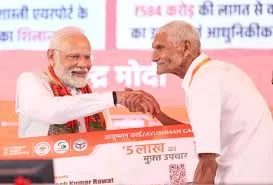
Launched in October 2024 by Prime Minister Narendra Modi as an expansion of the flagship Ayushman Bharat Pradhan Mantri Jan Arogya Yojana (AB-PMJAY), the Ayushman Vay Vandana scheme aims to reduce the financial burden on elderly citizens by ensuring comprehensive secondary and tertiary care coverage. This initiative marks a significant step toward inclusive public health, underpinned by the government’s commitment to equitable healthcare for all segments of society.
Key Developments and Scheme Details
The Ayushman Vay Vandana card is specifically tailored for all Indian citizens aged 70 and above, providing access to treatments worth up to ₹5 lakh annually. Unlike previous criteria-bound health schemes, this coverage applies universally to senior citizens irrespective of their socio-economic status—whether poor, middle class, or affluent.
By October 2025, more than 86.5 lakh senior citizens have been enrolled, with over 42 crore AB-PMJAY cards issued to the broader economically weaker population. The scheme facilitates free hospitalisation for conditions prevalent among the elderly, including coronary angioplasty, hip replacement surgeries, cataract removal, stroke treatment, prostate resections, and dialysis among others.
This health coverage extends across a vast network of over 14,000 empanelled private and public hospitals nationwide, ensuring that beneficiaries can access quality care locally or regionally.
Expert Perspectives on the Public Health Impact
Dr. Anjali Mehta, a geriatrician and health policy expert not associated with the scheme, commented, “The Ayushman Vay Vandana card is a game changer for senior citizens, who often face major financial hurdles when accessing healthcare. The universal coverage model irrespective of income ensures no elderly person is left without medical support during critical times.”
She added, “By including tertiary care and not limiting the benefits to just primary or secondary care, the program meets the complex health needs of seniors, which are often multifaceted due to chronic diseases and age-related conditions.”
Public health analyst Dr. Rajesh Iyer noted that the initiative not only offers direct financial relief but also symbolizes a strategic investment in India’s aging population, which is growing rapidly. “This measure is timely given that India’s demographic shift towards an older population is accelerating. Programs like Ayushman Vay Vandana can prevent impoverishment due to health expenses among the elderly and reduce national out-of-pocket expenditure on health,” he said.
Contextual Background: Ayushman Bharat and Senior Citizen Coverage
The Ayushman Bharat scheme, launched in 2018, was designed to provide health insurance to over 12 crore vulnerable families, mainly targeting economically weaker sections with the goal of reducing catastrophic health expenditures. The Vay Vandana Card builds upon these foundations by catering exclusively to the elderly demographic, which often faces limited insurance options due to pre-existing conditions and higher health risks.
Unlike many private health insurance plans that exclude older adults or impose high premiums, the Ayushman Vay Vandana card offers pre-existing disease coverage from day one, including diseases like diabetes, hypertension, arthritis, and other chronic illnesses common in seniors.
Additionally, senior citizens from families already covered by AB-PMJAY receive an additional top-up cover of ₹5 lakh annually, augmenting the protective health benefits.financialexpress+1
Implications for Public Health and Daily Life
For seniors and their families, this scheme translates to tangible financial relief amid increasing healthcare costs. With direct reimbursement up to ₹5 lakh annually for treatments, elderly patients can seek timely interventions without the stress of affordability or out-of-pocket spending.
Healthcare practitioners also anticipate that the scheme could encourage more routine medical check-ups and early identification of health issues, as seniors perceive reduced financial barriers to care. The availability of services nationwide allows for improved accessibility in rural and urban areas alike, which is crucial given the healthcare disparities often faced by older adults.
Limitations and Considerations
While the scheme is widely praised, some limitations deserve mention. It is primarily designed for hospitalization coverage related to secondary and tertiary care and may not extensively cover outpatient treatments or long-term domiciliary care, which constitute significant healthcare components for the elderly.
Additionally, senior citizens who already receive benefits under other government health schemes such as the Central Government Health Scheme or Ex-Servicemen Contributory Health Scheme must opt between schemes, which could create occasional confusion or duplication concerns.
Experts also caution that the long-term sustainability of funding and service quality across empanelled hospitals must be monitored closely to maintain the program’s effectiveness.
In Closing
The Ayushman Vay Vandana scheme represents a pioneering healthcare initiative aimed at empowering one of society’s most vulnerable groups—the senior citizens. By offering substantial financial protection against the high costs of medical care, the government has taken a commendable stride toward promoting health equity and easing the burden on elderly Indians and their families.
Medical Disclaimer
This article is for informational purposes only and should not be considered medical advice. Always consult with qualified healthcare professionals before making any health-related decisions or changes to your treatment plan. The information presented here is based on current research and expert opinions, which may evolve as new evidence emerges.
References