 0
0
 0
0
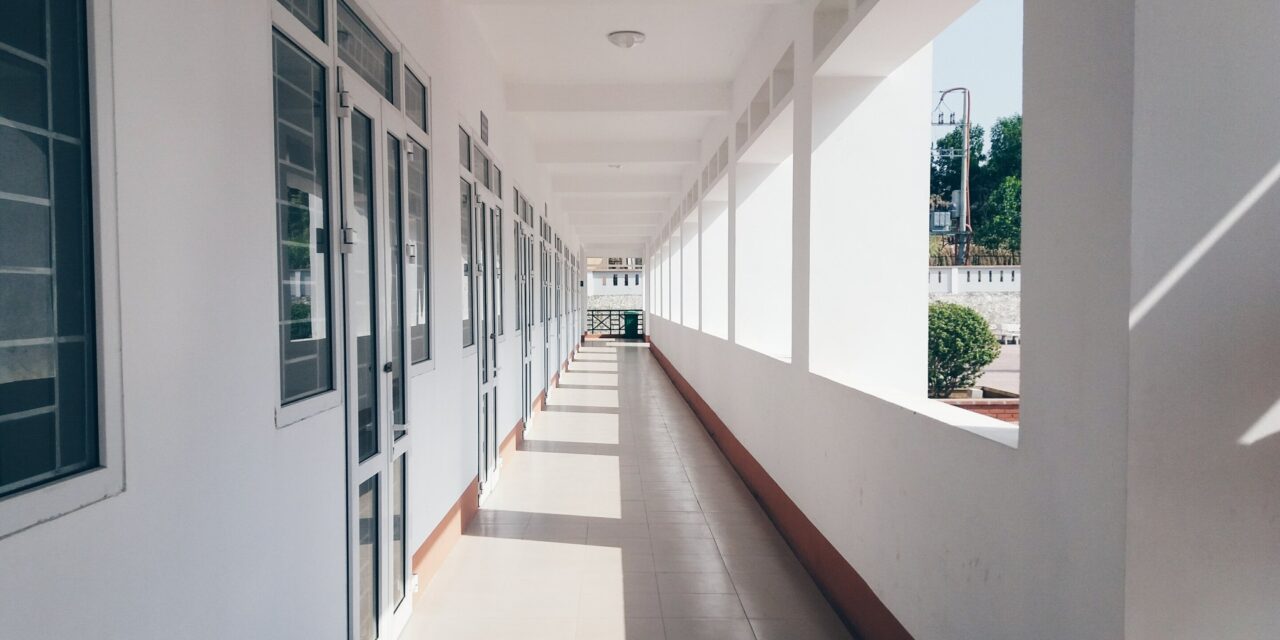
More than 70 schools in Australia and New Zealand were closed recently due to the discovery of asbestos contamination in widely used children’s colored play sand, prompting recalls and extensive cleaning efforts. The affected products, imported and distributed over several years, contained tremolite, a naturally occurring form of asbestos found in quartz. This contamination led to precautionary measures including school closures and recall of various sand brands used in sensory play among young children.Key Developments and Response
Several schools and early childhood centers (ECEs) in both countries were either fully or partially closed starting November 17, 2025, as authorities conducted testing and cleanup operations. Australia’s regulatory body, the Australian Competition and Consumer Commission (ACCC), and New Zealand’s Ministry of Education coordinated efforts to identify contaminated products and advise affected institutions. Products such as Educational Colours Rainbow Sand and Creatistics Coloured Sand were among those recalled. Health and safety officials reassured the public that the risk from low-level or single exposures to asbestos in this context is considered very low but stressed the importance of remediation to prevent prolonged exposure.
Health Risks of Asbestos Exposure in Children
Asbestos fibers, when inhaled, pose significant health hazards, particularly to children whose respiratory systems are still developing. Long-term exposure to asbestos is linked to serious diseases including asbestosis, lung cancer, and mesothelioma—a rare cancer affecting the lining of the lungs or abdomen, often manifesting decades after exposure. Children are more vulnerable than adults due to their growing lungs and immune systems.
A systematic review highlights that asbestos exposure during childhood significantly increases the lifetime risk of mesothelioma compared to exposure starting in adulthood. Chronic exposure can lead to scarring and inflammation in lung tissue, resulting in persistent respiratory problems such as coughing and difficulty breathing. Additionally, asbestos exposure may weaken immune function, increasing susceptibility to infections, and can delay both physical growth and cognitive development in children.
Dr. Jane Thompson, a pediatric pulmonologist not involved in the contamination response, emphasized: “While brief exposure to low levels of asbestos may not immediately result in health issues, repeated or prolonged exposure increases the risk of serious lung diseases over time, especially in children with immature lungs” [expert commentary synthesizing sources].
Context and Current Risk Assessment
Despite these serious health concerns, experts stress that the immediate health risk from the detected contamination in play sand is considered very low. The amount of asbestos found is reportedly minute and not in a state that would easily become airborne and inhaled under normal use. The precautionary closures aim to prevent exposure during cleanup and to ensure that contaminated materials are safely removed.
New Zealand’s Ministry of Education and WorkSafe inspectors are aiding affected schools and ECEs, providing guidance on asbestos testing and remediation. Officials advised parents that there is no need for urgent medical intervention if children have only had brief contact with the sand but encouraged consulting healthcare providers if there are health concerns.
Broader Public Health Implications
This incident underscores ongoing challenges in product safety regulation and contamination prevention. Natural asbestos contamination can occur in materials sourced from quarries and can unintentionally contaminate consumer products. Analysts warn that while an absolute ban on all untested materials might be unrealistic, there is a need for more robust testing protocols and stricter import controls to prevent such occurrences.
Environmental safety advocate Laura Gemmell of Eco Choice Aotearoa stated: “This event highlights a gap in due diligence in ensuring the safety of children’s products. Consumers should seek certifications and standards they trust to protect their families from similar risks”.
Limitations and Conflicting Views
Some health authorities caution that widespread school closures may be an overreaction based on an abundance of caution rather than clear evidence of imminent health threat. Scientific advisory bodies note that asbestos risk is related to fiber concentration, exposure duration, and fiber type, and estimated exposure here is extremely limited. Critics argue that communication should balance public concern with factual clarity to avoid unnecessary panic.
Practical Advice for Parents and Educators
-
Avoid using any recalled colored play sand products.
-
Follow official advice on cleaning affected areas and isolating contaminated materials.
-
Monitor children for any respiratory symptoms if prolonged or high-level exposure is suspected.
-
Consult healthcare professionals for personalized reassurance or assessment.
-
Support ongoing advocacy for improved product safety standards and regulatory oversight.
Medical Disclaimer
This article is for informational purposes only and should not be considered medical advice. Always consult with qualified healthcare professionals before making any health-related decisions or changes to your treatment plan. The information presented here is based on current research and expert opinions, which may evolve as new evidence emerges.
References
-
Reuters, “Asbestos contamination forces schools in Australia, New Zealand to close,” November 17, 2025.