 0
0
 0
0
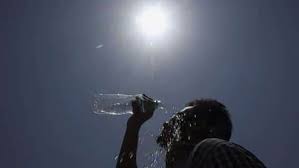
A groundbreaking report released this week by the Yale Program on Climate Change Communication reveals that more than seven in ten Indians have personally experienced severe heat waves over the past year, underscoring the significant and growing health risks associated with escalating climate change. The data, gathered from a survey of over 19,000 adults across all Indian states, highlights not only regional disparities in exposure but also a rising tide of public concern over water shortages, agricultural losses, and the nation’s overall vulnerability to extreme weather events.
Key Findings
-
71% of Indian adults surveyed reported first-hand experience with severe heat waves over the last 12 months.
-
Regions at greatest risk include Rajasthan, Odisha, and Haryana, where up to 80% of adults reported severe heat events. In contrast, Kerala and Tamil Nadu saw lower rates, around 55%-52%.
-
Significant proportions also reported experiencing agricultural pest outbreaks (59%), water shortages (52%), power outages (59%), water pollution (53%), and severe air pollution (51%).
-
The report also documents drastic increases in droughts, crop failures, and water scarcity, particularly in vulnerable states like Odisha, which is still recovering from the major Cyclone Dana in 2024.
“These data about how people across India are experiencing the impacts of climate change can help decision makers better understand public risk perceptions and design climate adaptation, communication, and sustainable development policies that meet Indians where they are,” said Dr. Jennifer Marlon, a lead researcher at the Yale Program on Climate Change Communication.
Health Impacts: What Doctors and Data Reveal
Heat exposure is not just an inconvenience. “People exposed to high heat can suffer from recurrent dehydration, making them vulnerable to cardiovascular diseases, cancers, respiratory issues, heat stroke, and chronic kidney diseases,” said Dr. Vikram Gupta, a public health expert, in a recent interview. Studies in cities like Ahmedabad, Hyderabad, and Maharashtra have documented a 33%-57% increase in deaths when temperatures reach 40°C or higher.
Extreme heat exacerbates mental health burdens as well. Researchers have found a correlation between prolonged heatwaves and increased incidents of depression, stress, adjustment disorders, and other mental health issues, especially among the elderly and those with chronic illnesses.
High nighttime temperatures are particularly hazardous because they limit the body’s ability to recover, raising risks for sleep deprivation, cardiovascular strain, and immune system suppression, according to Dr. Prakash, a Pune-based physician. Those most at risk include infants, older adults, individuals with heart or lung conditions, outdoor workers, and people living in urban “heat islands” where concrete traps warmth overnight.
Expert Perspectives
-
Dr. Jagadish Thaker, University of Queensland: “Understanding local perceptions and lived realities is essential for climate action planning”.
-
Dr. Vikram Gupta, Public Health Expert: “Rising temperatures not only stress our bodies but also our minds—intensifying mental health conditions and creating new psychological burdens”.
-
Dr. Prakash, Physician: “High night-time temperatures limit nocturnal cooling, exacerbating health issues such as heat strokes and cardiovascular diseases”.
Context and Background
India has witnessed a sharp 2.5-fold increase in heatwave days between 1980 and 2025, with the frequency and severity expected to rise by 2030. Early season heatwaves—like those seen in February 2025, the hottest February India has ever recorded—are setting new records and stretching health resources.
Government agencies, including India’s Ministry of Health and Family Welfare, have recognized several diseases as sensitive to climate, including vector-borne diseases like malaria and dengue, waterborne illnesses, and non-communicable diseases exacerbated by heat and pollution. However, public health infrastructure and surveillance are still adapting to the new scale and scope of climate-related health emergencies.
Implications for Public Health and Daily Life
The broad impacts of heat and water stress go beyond hospitals. Crop failures and reduced work productivity can jeopardize food security, strain local economies, and increase air pollution due to fires and stagnant conditions. Public health officials urge:
-
Stay hydrated and limit outdoor activity during hottest hours.
-
Check on vulnerable individuals—elderly, young children, and those with chronic illnesses.
-
Advocate for and support heat action plans in cities and states.
-
Improve access to cooling centers, shade, and affordable healthcare.
“India’s growing urban population is especially at risk due to the urban heat island effect and poor air quality, underscoring the need for both adaptation and mitigation strategies,” says Dr. Jennifer Marlon.
Limitations and Counterpoints
While public concern and personal experience with heat waves are at all-time highs, research on precise heat-related morbidity and mortality in India remains limited, due to underreporting, lack of region-specific data, and limited real-time surveillance. Not all temperature spikes directly cause deaths—individual responses depend on acclimatization, public health preparedness, and socioeconomic factors.
Some states reporting lower heatwave exposure may have better water management, more resilient infrastructure, or reporting differences, further highlighting the need for granular, on-the-ground research.
Conclusion
With more than 70% of its population now feeling the direct effects of severe heat, India stands on the front line of climate-linked health challenges. Comprehensive, locally tailored adaptation efforts—both in policy and in daily life—are urgently needed. As Dr. Jagadish Thaker cautions, “It is essential to base adaptation strategies on people’s lived realities to ensure resilience and public support”.
Medical Disclaimer
This article is for informational purposes only and should not be considered medical advice. Always consult with qualified healthcare professionals before making any health-related decisions or changes to your treatment plan. The information presented here is based on current research and expert opinions, which may evolve as new evidence emerges.
References