 0
0
 0
0
New Delhi, Jul 29:
A major new study by The Lancet Commission reveals that more than three out of every five liver cancer cases worldwide could be prevented by targeting key risk factors such as hepatitis infections, alcohol consumption, and non-alcoholic fatty liver conditions. The research, conducted by an international team from The Hong Kong Cancer Institute, Fudan University, and institutions across China, South Korea, the US, and Europe, highlights an urgent need for global action to address this growing health threat.
According to the report, liver cancer ranks among the top three causes of cancer-related deaths in 46 countries. The rise in cases is being fueled by metabolic dysfunction-associated steatotic liver disease—a severe form of fatty liver disease linked to excess liver fat—which is now a key driver in the projected 35% increase in liver cancer cases by 2040.
Professor Stephen Chan, lead author and clinical oncologist at The Chinese University of Hong Kong, emphasized the critical opportunity for preventive measures. “Intensified efforts to increase vaccination and screening for hepatitis B and C, along with policies restricting alcohol consumption, can make a major difference,” said Chan.
Key Recommendations from the Lancet Commission:
-
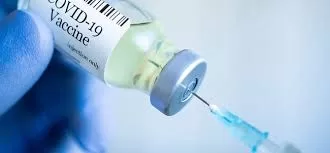
Expand hepatitis B and C vaccination and screening.
-
Implement public policies to reduce alcohol consumption.
-
Increase investment in national public awareness campaigns and early detection.
-
Train hospital and healthcare staff to offer early-phase pain management and palliative care for liver cancer patients.
The Commission has set an ambitious target: reducing new liver cancer cases by 2% to 5% per year could prevent up to 17 million cases and 15 million deaths globally.
Experts stress that focusing on modifiable risk factors—such as managing hepatitis virus infections, addressing metabolic dysfunction, and curbing alcohol abuse—offers the best path to stem the rising tide of liver cancer, especially in high-risk regions of the US, Europe, and Asia.
“We estimated that at least 60% of liver cancers are preventable via control of modifiable risk factors, including hepatitis B and C viruses, metabolic dysfunction-associated steatotic liver disease, and alcohol,” the Commission’s report states.
With the world’s population growing and risk factors becoming more prevalent, the authors urge governments to step up public, medical, and political awareness, especially among people with diabetes and obesity.
Disclaimer: This article is based on data and recommendations from the Lancet Commission’s recent report as published by PTI and The Week. It is for informational purposes only and should not be construed as medical advice. For individual risk assessment, diagnosis, and management, please consult a qualified healthcare professional.