 0
0
 0
0
In the first six months of 2025, India diagnosed and initiated treatment for over 1.11 crore (11.1 million) people with hypertension and approximately 64 lakh (6.4 million) individuals with diabetes, reflecting a significant ongoing national health challenge. These figures were reported by the Ministry of Health and Family Welfare, highlighting the government’s expanded screening and care initiatives targeting adults aged 30 years and above across the country from January to June 2025. This large-scale response comes amidst rising non-communicable disease (NCD) burdens nationally, especially hypertension and diabetes, both major risk factors for cardiovascular disease and related complications.
Key Findings and Current Developments
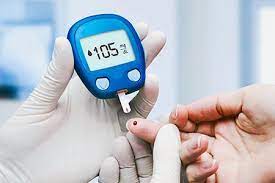
According to official government data, over 11 million hypertensive and 6 million diabetic patients have been diagnosed and are under active treatment during the half-year period, indicative of widespread screening efforts under national health programs. This robust case detection results from intensified population-based screening campaigns and opportunistic screening at healthcare facilities, integral components of the National Programme for Prevention and Control of Non-Communicable Diseases (NP-NCD) which aims to curb the growing epidemic of hypertension and diabetes in India.
The government has set ambitious targets to provide standardized care to 75 million individuals with hypertension and diabetes by 2025 as part of the “75/25” initiative, unveiled during the 2023 G20 summit in New Delhi. By early 2025, the initiative achieved nearly 90% coverage of this ambitious goal, with more than 42 million treated for hypertension and over 25 million treated for diabetes. The latest data from January to June 2025 demonstrates continued momentum in meeting these targets.
Expert Commentary
Dr. Vani Srinivas, a leading expert in public health and non-communicable diseases from ICMR-National Centre for Disease Informatics and Research, highlights the magnitude of this health challenge: “India faces a dual epidemic of hypertension and diabetes, with over one-fourth of adults affected by high blood pressure and nearly 10% living with diabetes. Timely diagnosis and treatment are crucial to prevent severe complications like heart attacks, stroke, and kidney failure. Strengthening services at the primary healthcare level is essential to manage this burden effectively”.
Dr. Rajesh Kumar, President of the Cardiovascular Society of India, notes, “The scale of the ongoing screening and treatment is unprecedented in India’s public health history. It reflects political will and enhanced health infrastructure. However, challenges remain, particularly in rural and underserved areas where healthcare readiness varies. Continuous community engagement and support for lifestyle changes are just as important as drug therapy”.
Context and Background
Hypertension and diabetes are leading contributors to India’s rising non-communicable disease burden, accounting for a significant proportion of morbidity and mortality. According to the National Family Health Survey (NFHS-5) data, approximately 11.3% of Indians aged 15-54 have hypertension, with prevalence higher in males (13.6%) than females (8.8%). Diabetes prevalence is also on the rise, particularly in urban areas and middle-aged adults.
India’s aging population, lifestyle changes, urbanization, dietary patterns, and sedentary behavior have contributed to this surge. The government’s multi-pronged approach includes population-based screening, opportunistic detection at health facilities, enhanced diagnostic and treatment capacities, teleconsultation services, and digital health record integration under the Ayushman Bharat Digital Mission.
Public Health Implications
The large-scale diagnosis and treatment figures underscore the urgent need for sustained public health interventions focused on both prevention and disease management. Early screening in adults aged 30 years and above can identify at-risk individuals and enable timely therapeutic interventions, potentially reducing complications and healthcare costs. The readiness of health facilities varies, with public primary health centers showing moderate preparedness, but gaps remain in sub-centers and private facilities, necessitating ongoing infrastructural and workforce strengthening.
Lifestyle modifications—such as adopting balanced diets, increasing physical activity, and avoiding tobacco—remain cornerstones of managing these chronic conditions alongside medication. Public awareness campaigns and community-level interventions are pivotal to complement clinical care.
Potential Limitations and Counterpoints
While the ramped-up screening and treatment numbers reflect progress, challenges persist. There may be underdiagnosis in remote or marginalized populations due to variable healthcare access. Additionally, adherence to treatment and long-term disease control remain issues, potentially limiting gains in morbidity reduction.
Experts caution that data from health facility reporting may have inconsistencies and that monitoring systems require enhancement for real-time, quality-assured data. Furthermore, sociocultural and economic barriers can affect health-seeking behavior and lifestyle adherence, complicating disease control efforts.
Practical Takeaways for Readers
For individuals, the recent government push reinforces the importance of regular health screenings, especially for those aged 30 and above. Knowing blood pressure and blood sugar levels can lead to early detection before serious complications arise. Those diagnosed with hypertension or diabetes should follow prescribed treatments consistently and adopt recommended lifestyle changes.
Healthcare providers are urged to continue enhancing community outreach and education. Public health authorities must maintain and expand screening programs and strive for equitable access to quality care.
Medical Disclaimer
This article is for informational purposes only and should not be considered medical advice. Always consult with qualified healthcare professionals before making any health-related decisions or changes to your treatment plan. The information presented here is based on current research and expert opinions, which may evolve as new evidence emerges.
References
- https://www.thehansindia.com/news/national/over-111-cr-bp-64-lakh-diabetes-cases-diagnosed-and-under-treatment-from-jan-to-june-govt-996298