 0
0
 0
0
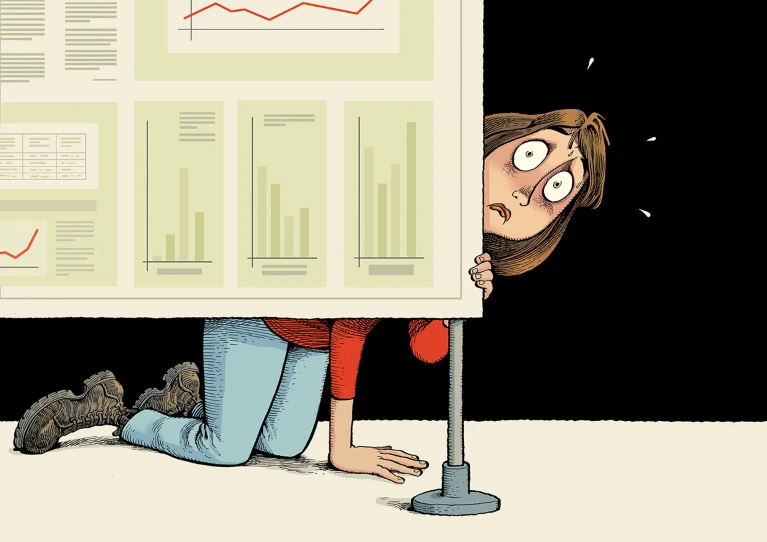
New Delhi, August 6 — Scientific integrity worldwide is under growing threat as organized fraud in research is increasing at a rate faster than genuine scientific output, according to a recent analysis published in the journal Proceedings of the National Academy of Sciences.
Led by researchers from Northwestern University, the study uncovered sophisticated networks orchestrating fraudulent scientific publications. These include colluding groups, often called “paper mills,” that churn out fabricated or plagiarized research papers in large volumes. The fraudulent papers frequently appear across multiple journals before getting retracted once discovered.
A striking finding is the role of “brokers”—middlemen who facilitate mass publication of fake research in journals with compromised editorial standards or those evading quality controls like journal de-indexing. Indexing boosts a journal’s visibility and credibility, while de-indexing removes journals from such databases to curb poor-quality publications.
The researchers analyzed vast datasets covering retracted papers, editorial records, and instances of image duplications from major scientific literature databases such as Web of Science, Scopus, and PubMed. They found that unlike traditional views focusing on isolated cases of misconduct by individuals, this fraud operates through organized global networks undermining academic publishing’s integrity.
Paper mills generate manuscripts with fabricated data, plagiarized content, and sometimes physically impossible claims. Academics seeking rapid publication or career advancement buy these papers or citations, inflating reputations without conducting legitimate research. Senior author Luís A. N. Amaral, an expert in complex social systems, called these networks “essentially criminal organisations” with millions of dollars involved.
Amaral stressed the urgent need for scientific self-policing to prevent normalization of fraudulent practices, warning: “At some point, it will be too late, and scientific literature will become completely poisoned.”
The study also highlights a looming challenge posed by artificial intelligence. First author Reese Richardson, a postdoctoral fellow, cautioned that if current fraud is not curbed, generative AI technologies could exacerbate the problem by producing large volumes of dubious scientific content. This risks polluting the literature further and compromising future AI training data used for research.
The findings underscore the imperative for awareness, stricter editorial controls, and vigilance within the scientific community to safeguard the credibility and reliability of science.
Disclaimer: This article is based on an analysis published in the Proceedings of the National Academy of Sciences and reported by The Week (PTI). The information reflects current research findings as of August 2025 and aims to provide an accurate summary. Readers should consult original scientific publications and official sources for detailed information.