 0
0
 0
0
May 18, 2025
In a significant step forward for infectious disease prevention, researchers have announced encouraging results from a phase 2 human challenge trial of an oral norovirus vaccine candidate, VXA-G1.1-NN. The study, led by Vaxart Inc. in collaboration with multiple academic institutions, is published in Science Translational Medicine.
Norovirus: A Global Health Challenge
Norovirus is the leading cause of epidemic and endemic gastroenteritis worldwide, responsible for millions of cases of vomiting, diarrhea, and abdominal pain each year. The virus spreads easily through contaminated food, water, surfaces, and person-to-person contact. Despite its prevalence, no vaccine has yet been approved to prevent norovirus infection.
The Study: Testing an Oral Vaccine
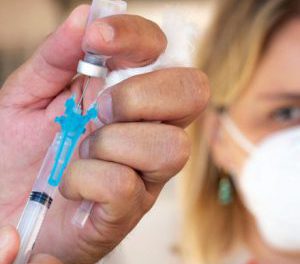
The trial enrolled 165 healthy adult volunteers, randomly assigning them to receive either the VXA-G1.1-NN oral tablet vaccine or a placebo. After 28 days, participants were deliberately exposed to a controlled dose of GI.1 norovirus-a process known as a human challenge trial-allowing researchers to directly assess the vaccine’s efficacy and immune response.
Key Findings
-
Reduced Infection Rates: Norovirus infection occurred in 57.1% of vaccine recipients versus 81.5% of those receiving placebo, representing a 30% relative reduction in infection risk.
-
Immune Response: Vaccinated participants showed substantial increases in protective antibodies (IgA and IgG) in both blood and mucosal tissues. Serum IgA was 8.76 times higher and serum IgG was 5.68 times higher in the vaccine group compared to placebo.
-
Reduced Viral Shedding: The vaccine group also exhibited a significant reduction in viral shedding, which could help limit transmission.
-
Gastroenteritis Reduction: Gastroenteritis symptoms occurred in 44.7% of vaccine recipients compared to 56.9% in the placebo group-a 21% relative reduction, though this difference did not reach statistical significance.
-
Safety Profile: No serious vaccine-related adverse events were reported. Most side effects were mild, such as malaise, fatigue, and headache.
Implications and Next Steps
The results suggest that the VXA-G1.1-NN oral vaccine could offer meaningful protection against norovirus, particularly in high-risk settings like nursing homes, cruise ships, and schools. Importantly, the study identified immune markers that could help guide future vaccine development and regulatory decisions.
However, experts caution that more research is needed. The vaccine’s efficacy, while promising, is not absolute, and larger, longer-term studies will be required to confirm its effectiveness and safety in broader populations.
Ethical Considerations
The use of human challenge trials-where volunteers are intentionally exposed to a pathogen-remains controversial and must be conducted under strict ethical oversight. All participants in this study gave informed consent and were closely monitored throughout the process.
Disclaimer:
This article summarizes findings from a recent scientific study and is intended for informational purposes only. The VXA-G1.1-NN oral norovirus vaccine is still under investigation and has not been approved for general use. Individuals should consult healthcare professionals for medical advice and should not make health decisions based solely on this report.
Source: Becca A. Flitter et al, “An oral norovirus vaccine generates mucosal immunity and reduces viral shedding in a phase 2 placebo-controlled challenge study,” Science Translational Medicine (2025). DOI: 10.1126/scitranslmed.adh9906
Citations: