 0
0
 0
0
One-third of Indian children aged 5-9 years have high triglyceride levels, according to a recent government report released in September 2025. This alarming finding highlights a growing public health concern about early cardiovascular risk factors in young children across various Indian states, with significant regional disparities noted. The report, titled “Children in India 2025,” draws on data from national surveys such as the National Family Health Survey (NFHS) and the Comprehensive National Nutrition Survey (CNNS), offering a comprehensive overview of children’s health and nutrition status across the country.
Key Findings on High Triglycerides in Children
The government report estimates that approximately 33% of Indian children aged 5-9 have elevated triglycerides, a type of blood fat that, in excess, increases the risk of heart disease later in life. Notably, states such as West Bengal and several northeastern states show the highest prevalence, with West Bengal reporting about 67%, Sikkim 64%, Assam 57%, Nagaland 55%, and Manipur 55% of children affected. Jammu & Kashmir reports about 50%, which is also significantly high. Conversely, states like Kerala (16.6%) and Maharashtra (19.1%) recorded the lowest proportions of children with high triglycerides.
In adolescents aged 10-19 years, the prevalence drops but remains concerning at 16%, with high LDL cholesterol found in less than 4%. Even among adolescents, West Bengal and northeastern states continue to show high triglyceride levels.
Understanding Triglycerides and Their Impact in Children
Triglycerides are fats derived from the food consumed, and the body stores excess calories as triglycerides in fat cells, releasing them for energy when needed. While they are essential for normal bodily function, excess triglycerides in the blood can lead to the gradual buildup of plaque in artery walls, known as atherosclerosis. This condition reduces blood flow and increases the risk of cardiovascular diseases, including heart attacks and strokes, later in life.
In children, high triglycerides are rarely symptomatic but can silently damage blood vessels, setting the stage for early development of heart disease. The risk compounds when high triglycerides coincide with elevated LDL (“bad”) cholesterol levels, accelerating artery plaque formation.
Dr. Anjali Mehta, a pediatric cardiologist not involved in the study, explains, “High blood fats in young children are a ticking time bomb. Early detection is critical because lifestyle or dietary interventions can prevent long-term complications such as atherosclerosis and cardiovascular events in adulthood.”
Factors Contributing to Elevated Triglycerides in Children
The rise in high triglyceride levels among Indian children is linked to several lifestyle and environmental factors. Modern dietary habits, including increased consumption of junk food, fried snacks, sugary beverages, and processed foods, contribute significantly. Sedentary lifestyles, characterized by reduced physical activity and more screen time, also play major roles. Childhood obesity is a well-established risk factor for dyslipidemia, including elevated triglycerides. Additionally, genetic predispositions can affect lipid metabolism in some children.
Public Health Implications and Actions
The findings carry important implications for public health strategies targeting early cardiovascular risk reduction. Routine screening of children, especially in high-prevalence regions or with family histories of heart disease, could facilitate early intervention. Health education campaigns promoting healthier diets and increased physical activity among children are vital. Schools and communities can play a significant role in fostering environments conducive to active lifestyles and balanced nutrition.
“Addressing these risk factors early can significantly reduce the burden of cardiovascular diseases in India decades from now,” emphasizes Dr. Rahul Singh, a public health expert focused on pediatric nutrition. “Prevention begins in childhood, given that atherosclerotic changes can start early with prolonged exposure to risk factors such as high triglycerides”.
Limitations and Balanced Perspective
While the report provides extensive data, it is essential to recognize limitations. The triglyceride measurements are estimates based on national survey data, which can have variability due to differences in lab methods or population sampling. Further, triglyceride levels in children can fluctuate due to recent food intake, making fasting tests more reliable but not always feasible in large surveys.
There are also gaps in understanding the long-term outcomes directly attributable to childhood triglyceride levels in the diverse Indian population. Hence, more prospective cohort studies are needed to firmly establish causality between early triglyceride elevation and adult cardiovascular events.
Some experts caution against medical over-intervention in asymptomatic children. They advocate for emphasizing lifestyle measures primarily and reserving pharmacological treatment for severe or persistent dyslipidemia confirmed by pediatric specialists.
Practical Takeaways for Parents and Caregivers
-
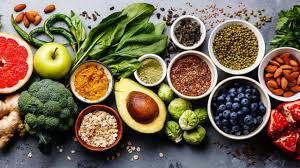
Encourage a balanced diet rich in fruits, vegetables, whole grains, and nuts while limiting fried, processed, and sugary foods.
-
Promote at least one hour of daily physical activity including active play, cycling, running, or sports.
-
Limit screen time to reduce sedentary behavior and prevent overeating.
-
Seek routine health check-ups, particularly if there is a family history of cardiovascular disease or diabetes.
-
Consult pediatricians if tests reveal high triglycerides for tailored advice and possible intervention.
Medical Disclaimer
Medical Disclaimer: This article is for informational purposes only and should not be considered medical advice. Always consult with qualified healthcare professionals before making any health-related decisions or changes to your treatment plan. The information presented here is based on current research and expert opinions, which may evolve as new evidence emerges.
References
- https://www.greaterkashmir.com/latest-news/govt-report-estimates-one-third-of-indias-children-age-5-9-have-high-triglycerides/
- https://timesofindia.indiatimes.com/india/triglycerides-high-in-16-of-adolescents/articleshow/124132972.cms