 0
0
 0
0
A recent nationwide study by the All India Institute of Medical Sciences (AIIMS) has found that more than one-third of Indians suffer from fatty liver disease, yet most remain unaware of their condition. This growing health concern could affect millions silently, putting them at risk for severe liver complications and other metabolic diseases.
Understanding Fatty Liver Disease
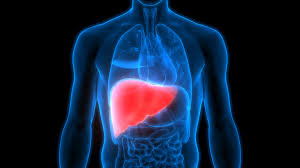
Fatty liver disease is a condition characterized by the build-up of excess fat—exceeding five to ten percent of the liver’s weight—within liver cells. The liver performs vital functions such as processing nutrients, detoxifying blood, and regulating metabolism. When calorie intake surpasses the body’s energy needs or when insulin resistance impairs fat metabolism, fat begins to accumulate in the liver. While a small amount of fat is normal in the liver, excessive fat deposition can lead to liver damage.
Common Misconceptions About Causes
Many people mistakenly believe fatty liver affects only those who consume excessive alcohol. However, Dr. Amit Singhal, Director and Chief Consultant at the Premier Gastroenterology Institute in Jalandhar, clarifies that unhealthy lifestyle habits such as sedentary behavior, poor diet rich in processed and high-calorie foods, obesity, diabetes, and high cholesterol are primary contributors. Certain medications and infections can also induce fat buildup in the liver. Thus, fatty liver disease is not just a “drinker’s disease” but a metabolic condition that can affect anyone with an imbalanced lifestyle.
Silent but Dangerous Progression
Fatty liver disease is particularly concerning because it usually produces no symptoms in its early stages. This asymptomatic nature leads to delayed diagnosis. Over time, the condition can escalate to non-alcoholic steatohepatitis (NASH), an inflammatory form of the disease, which can cause liver fibrosis—scarring of the liver tissue. Left untreated, fibrosis may progress to cirrhosis, liver failure, or hepatocellular carcinoma (liver cancer). Moreover, fatty liver increases the risk of cardiovascular disease and can worsen diabetes outcomes.
Who Is at Risk?
Individuals who are overweight or obese, have diabetes mellitus, high triglycerides or cholesterol levels, or a family history of liver disease are at greater risk. Dr. Singhal emphasizes the rise in pediatric cases, highlighting that children with sedentary lifestyles and unhealthy diets are increasingly affected. Alcohol consumption, although not the only cause, can accelerate disease progression in the presence of other risk factors.
Diagnosis and Detection
Fatty liver disease is often discovered incidentally during routine health check-ups through abdominal ultrasound scans that reveal fat deposits in the liver. Blood tests measuring liver enzymes can also indicate liver dysfunction. For detailed evaluation, advanced imaging techniques like FibroScan or magnetic resonance imaging (MRI) may be used to assess liver stiffness and fat quantity.
Prevention and Management: A Reversible Condition
Encouragingly, fatty liver disease is often reversible if detected early. Lifestyle modifications form the cornerstone of prevention and treatment. Maintaining a healthy weight through balanced nutrition—rich in fruits, vegetables, whole grains, and lean proteins—and avoiding excessive sugar, fried, and processed foods make a substantial difference. Regular physical activity, ideally 30 minutes per day for five days a week, is crucial. Alcohol consumption should be minimized or avoided. Additionally, managing underlying conditions such as diabetes, hypertension, and high cholesterol with medical guidance is vital to controlling fatty liver disease.
Expert Perspectives
Dr. Rekha Sharma, a hepatologist unaffiliated with the study, remarks, “The AIIMS findings are a wake-up call to Indians and healthcare providers alike. Early screening for fatty liver, especially in people with metabolic risk factors, should become standard practice. Public health initiatives must emphasize lifestyle changes as the first line of defense.”
Public Health Implications
With over a third of the Indian population potentially affected, fatty liver disease represents a significant public health challenge. The asymptomatic nature of early disease stages means many cases go undiagnosed until severe complications arise. Awareness campaigns, routine screening especially for at-risk populations, and integration of liver health into broader metabolic disease management could help reduce the burden.
Limitations and Counterpoints
While the AIIMS study provides valuable insight into prevalence, some experts note limitations such as potential underdiagnosis due to lack of widespread screening and the reliance on ultrasound, which may not detect all cases. Further longitudinal research is needed to understand the natural history and outcomes of fatty liver in diverse Indian populations.
What This Means for Readers
People should be aware that fatty liver disease can silently affect anyone, including children, regardless of alcohol intake. Adopting a healthy lifestyle with balanced diet, regular exercise, and medical check-ups can help prevent the condition or halt its progression. Early detection through simple screening tests can enable timely interventions to avoid serious liver damage and associated complications.
Medical Disclaimer: This article is for informational purposes only and should not be considered medical advice. Always consult with qualified healthcare professionals before making any health-related decisions or changes to your treatment plan. The information presented here is based on current research and expert opinions, which may evolve as new evidence emerges.
References
-
AIIMS nationwide study on fatty liver prevalence, 2025. The Tribune India. Interview with Dr. Amit Singhal, Director & Chief Consultant, Premier Gastroenterology Institute, Jalandhar.https://www.tribuneindia.com/news/jalandhar/one-in-three-indians-have-fatty-liver-most-unaware-aiims-study/